Te Papa is more than just a museum—it’s the cultural heartbeat of Wellington. The name, which translates from Māori as "our place," reflects its role as a gathering point for the stories, traditions, and ideas that shape New Zealand. Housed in a striking modern building along the waterfront, the museum blends seamlessly with its surroundings, its expansive windows framing views of the harbor while inviting natural light into its airy galleries. There’s no sense of clutter here, despite the vastness of the collection. Instead, the space feels open and welcoming, designed for exploration rather than rushed visits. It’s easy to lose track of time wandering through its exhibits, each one offering a different perspective on what it means to be part of this land.
The origins of Te Papa trace back to the late 19th century, when New Zealand first began to consider the idea of a national museum. Early collections were scattered across various institutions, but as the country grew, so did the need for a single place that could bring together history, art, and science under one roof. The current building opened in 1998, transforming the museum from a repository of artifacts into a living space where visitors could engage with the past in a meaningful way. What sets Te Papa apart is its approach—there’s no dry academic tone here. Instead, exhibits are interactive, blending storytelling with modern technology to create experiences that resonate with both locals and travelers.
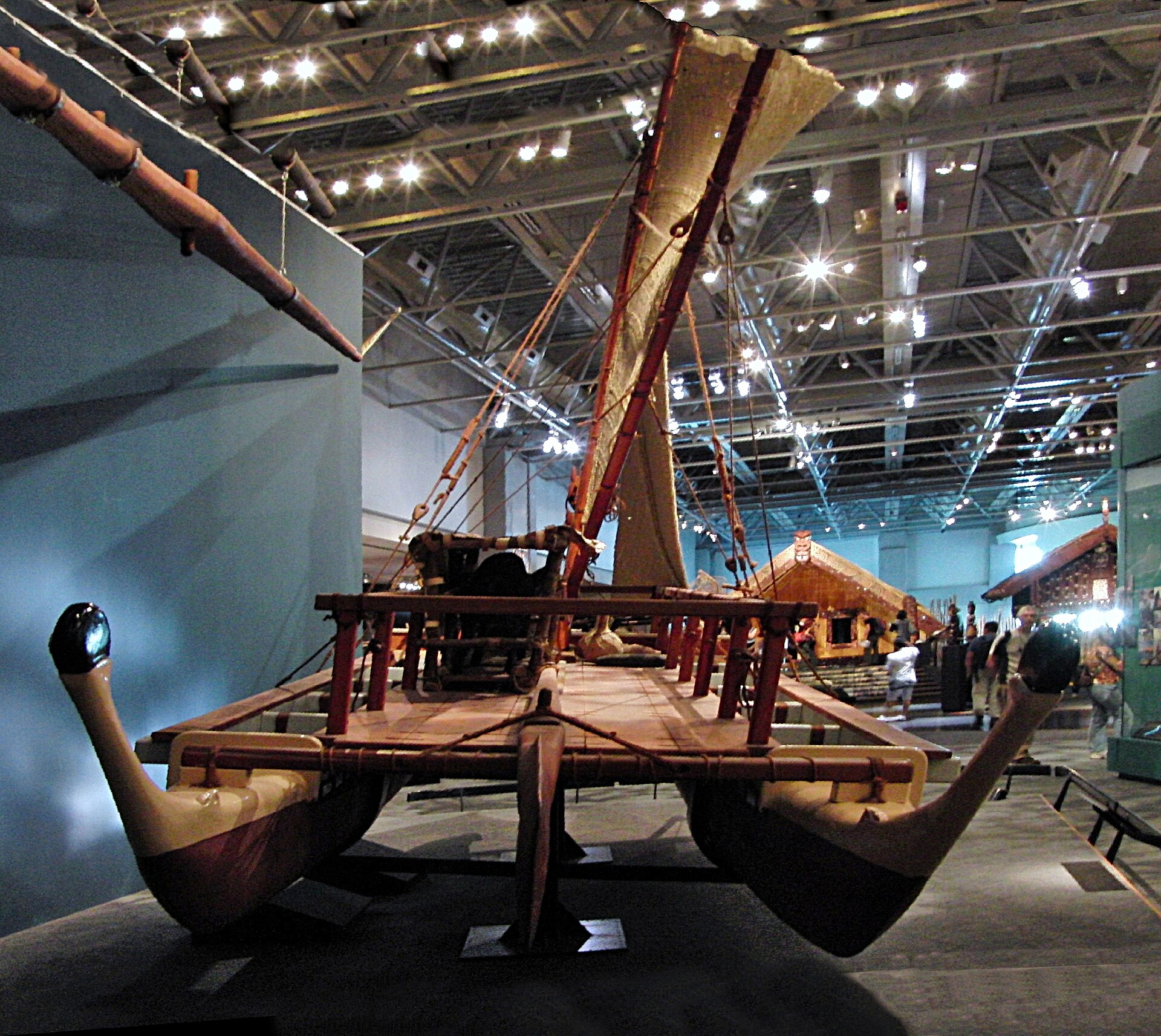
One of the most compelling sections of the museum is the Māori culture gallery. Here, the richness of Aotearoa’s indigenous heritage comes to life through intricately carved wooden figures, traditional waka (canoes), weapons, and adornments that offer a glimpse into pre-colonial life. At the heart of this space is a fully functional marae, a communal meeting house where ceremonies, discussions, and cultural events take place. It’s not just an exhibit but a living part of the museum, where visitors can hear ancient chants, witness the powerful haka, or even try their hand at traditional crafts. The atmosphere is one of reverence, a reminder that Māori culture is not confined to the past but remains a vibrant part of New Zealand’s identity today.
Nature takes center stage in another section of the museum, showcasing the unique biodiversity of New Zealand’s islands. The country’s isolation has given rise to species found nowhere else on Earth, and Te Papa captures this wonder through immersive displays. Life-sized dioramas depict flightless birds like the kiwi and the extinct moa, while interactive exhibits explain the geological forces that shaped the landscape. Volcanic activity, a defining feature of New Zealand’s terrain, is brought to life through models of eruptions, samples of lava, and even a simulator that lets visitors experience the tremors of an earthquake. It’s a reminder of how closely the land and its people are connected, and how fragile that balance can be.
Art holds a special place in Te Papa’s collection, spanning from traditional Māori works to contemporary pieces by New Zealand artists. The museum houses an impressive array of paintings, sculptures, and textiles that reflect the country’s evolving identity. Colonial-era landscapes sit alongside modern interpretations of the same rugged mountains and sweeping coastlines, offering a visual timeline of how New Zealanders have seen themselves and their environment over time. Temporary exhibitions ensure there’s always something new to discover, whether it’s a deep dive into the work of a single artist or a thematic exploration of social and environmental issues.
Beyond its permanent exhibits, Te Papa serves as a hub for dialogue and discovery. The museum regularly hosts lectures, workshops, film screenings, and panel discussions on topics ranging from climate change to cultural preservation. It’s a place where scientists, artists, activists, and curious minds come together to share ideas and challenge perspectives. The on-site café often buzzes with conversation—students debating their latest research, tourists comparing notes on their travels, or families unwinding after a morning of exploration. This sense of community is part of what makes Te Papa feel less like an institution and more like a shared space for learning and connection.
What makes Te Papa truly stand out is its honesty. The museum doesn’t shy away from the complexities of New Zealand’s history, whether it’s the impact of colonization, the devastation of natural disasters, or the ongoing struggles for social justice. There’s no attempt to gloss over difficult chapters; instead, the exhibits encourage visitors to engage with the past in all its nuances. This approach has earned the museum a deep affection from New Zealanders, who see it not just as a place to visit but as a reflection of their collective story. It’s a space that acknowledges both triumphs and failures, offering a more complete understanding of what it means to call this country home.
A visit to Te Papa is less about ticking off exhibits and more about immersion. Some might spend an hour here, others an entire day, moving from one gallery to the next at their own pace. The museum doesn’t dictate how you should feel or what you should take away—it simply presents the stories and lets you draw your own conclusions. Whether you’re reading the detailed descriptions, listening to an audio guide, or simply sitting on a bench to absorb the atmosphere, there’s a sense of discovery at every turn. And when you step back outside, the view of Wellington’s harbor takes on a new meaning. The city isn’t just a capital; it’s a place where countless narratives intersect, and Te Papa is the thread that ties them all together. For anyone wanting to understand New Zealand beyond the postcard images, this is where the journey begins.