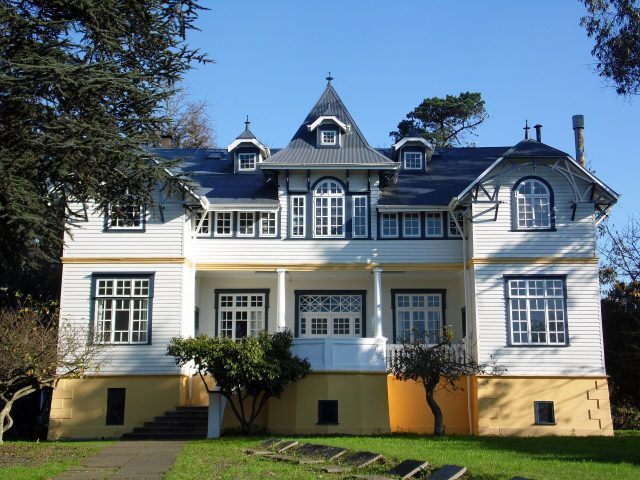
Osorno Volcano might dominate the skyline, but in the quiet city at its feet, another kind of landmark quietly shapes daily life. The Teatro Osorno stands on a street corner in the heart of this southern Chilean town, where the Andes fade into gentle valleys and the past lingers in the orderly streets laid out by German settlers in the 19th century. Unlike the grand opera houses of Europe or the flashy cultural hubs of capital cities, this theater doesn’t demand attention—it simply exists, as much a part of the city as the rain that falls most afternoons or the smell of fresh bread from the corner bakery.
Built in the mid-20th century, when Osorno was establishing itself as a commercial and industrial center, the theater arrived at a time when the city was growing beyond its colonial roots. The 1950s and 60s brought new roads, factories, and a sense of possibility, and with them, a need for spaces where people could gather. The theater filled that role, hosting not just plays and concerts but also film screenings and even political meetings. Its architecture reflects the era’s practical spirit: clean lines, unadorned facades, and a focus on function over ornament. There’s no marble staircase or gilded ceiling, just a building that does its job well, much like the city itself.
Inside, the theater feels intimate in a way that larger venues often lose. The auditorium isn’t vast, and that’s part of its charm—no one gets lost in a sea of seats, and the stage feels close no matter where you sit. The acoustics are surprisingly good, carrying voices and music clearly without the need for amplification. The foyer, with its occasional displays of local art or photography, adds another layer to the experience. It’s not just a place to watch a performance but a space where people linger, chatting over coffee or browsing the latest exhibition before the lights dim.
Osorno isn’t a city that makes headlines for its cultural scene, but the theater plays a quiet, essential role in local life. For many, it’s tied to personal memories: a first concert, a childhood trip to see a puppet show, or an evening spent with friends watching a film while rain tapped against the windows. In a place where winters stretch long and gray, the theater offers warmth and light, a small but reliable refuge from the weather outside.
The city’s European influence, brought by German immigrants in the 19th century, still lingers in unexpected ways. Their traditions—music, theater, a certain disciplined approach to community life—took root here, shaping how culture is perceived. In Osorno, the theater isn’t seen as a luxury but as a necessity, something as fundamental as the weekly market or the local school. Today, its stage hosts everything from amateur productions to touring acts from Santiago or even abroad, a mix that keeps the programming fresh without losing its local flavor.
This isn’t the kind of place travelers seek out for its architecture or prestige. There are no guided tours, no plaques detailing its historical significance. Instead, it reveals itself casually, like a familiar face in a crowd. You might walk past it a dozen times before noticing the posters outside advertising the next performance, or step inside on a whim to escape the rain. What you’ll find isn’t spectacle but something more enduring: a space that belongs to the city and its people, not to visitors.
Like many small-town theaters, it faces challenges—declining public funding, competition from streaming services, the slow wear of time on its aging infrastructure. Yet it persists, not because it’s a relic to be preserved but because it still serves a purpose. In a city like Osorno, culture isn’t just entertainment; it’s part of the fabric of daily life. There are no sold-out premieres or record-breaking attendance numbers here, just the steady rhythm of performances that matter more to the people who attend them than to any critic or tourist.
For those passing through Osorno, the theater offers a glimpse into the city’s soul. It’s not a monument to be admired from afar but a living space to be experienced. You might buy a ticket to a local band’s concert, sip coffee in the foyer while flipping through a program, or simply watch as regulars file in, greeting each other like old friends. In a world where so much is curated for outsiders, the Teatro Osorno remains stubbornly, refreshingly itself—a place where culture isn’t performed but lived.