Kouvola Theatre isn’t just another building in a Finnish town—it’s a place where culture and daily life merge, where history lingers in the air between performances. Tucked away in the heart of the country, it has been a gathering point for decades, drawing people who appreciate art in all its forms. The stage here hosts everything from timeless classics to bold contemporary works, while concerts and festivals spill into the calendar year after year. The building itself seems to hum with creativity, as if the walls have absorbed the energy of every rehearsal, every burst of applause.
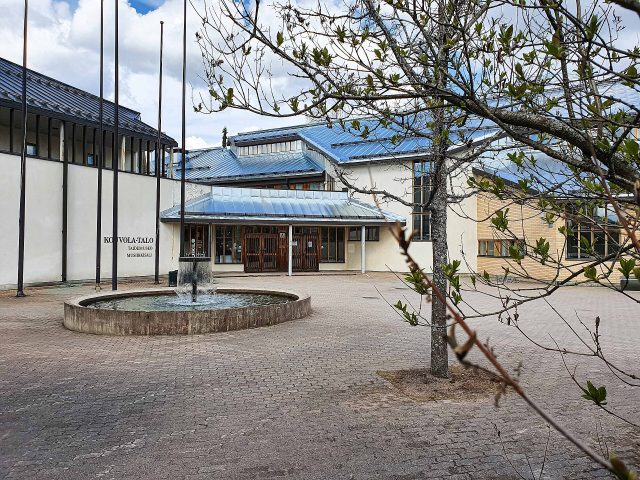
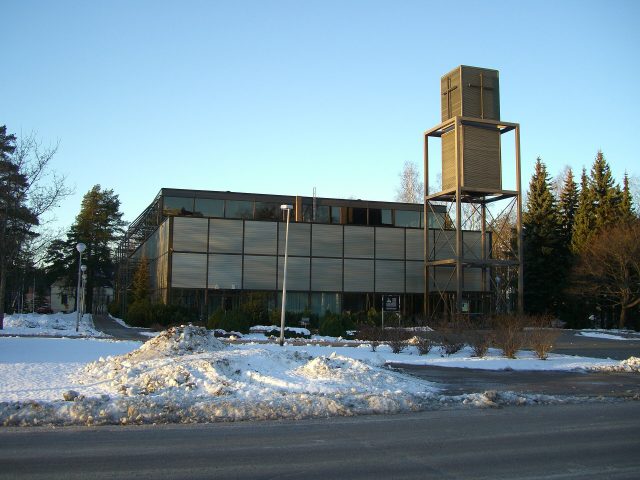
The theatre’s story begins in the mid-20th century, a time when Finland was rebuilding not just its economy but its cultural identity after the war. Kouvola, like many Finnish towns, was growing, and the theatre became one of the symbols of that renewal. The architecture reflects the era’s spirit—clean lines and practical design, typical of Finnish modernism, with a nod to Scandinavian simplicity. Large windows flood the space with natural light, and the attention to detail makes the building worth a closer look, even if you’re not there for a show. It’s functional yet warm, a space that feels lived-in rather than just visited.
While Finnish-language performances dominate the schedule, the theatre isn’t confined by language. International troupes often bring their work here, and the repertoire stretches from Shakespeare to modern playwrights. A special focus is placed on productions for children and young audiences, ensuring the theatre remains a place where families can experience something together. In the summer, when the nights stay light, the performances sometimes move outdoors—into parks or open squares—blurring the line between the stage and the world around it. There’s something magical about watching a play under the endless Nordic sky, where the story feels like part of the landscape rather than something contained within four walls.
For locals, the theatre is more than just a cultural venue. It’s a meeting place, a forum for discussion, a shared experience. Beyond plays, the space hosts lectures, workshops, exhibitions, and even small markets where local artists and craftspeople sell their work. Schools and universities frequently collaborate with the theatre, bringing students in for tours and special programs designed to spark an early interest in the arts. In this way, the theatre serves a broader purpose, bridging gaps between generations and different parts of the community. It’s a place where people come not just to watch but to connect.
The architecture inside is just as thoughtful as the exterior. The auditorium is designed so that every seat feels intimate, whether you’re in the stalls or up in the balcony. The space isn’t vast, which creates a sense of closeness to the performance. The foyer often doubles as a gallery, showcasing exhibits on the theatre’s history or the work of local artists. During intermissions, it’s common to see people lingering over coffee, debating the play or simply enjoying the atmosphere. Everything here is arranged to make visitors feel at ease, to let them lose themselves in the moment.
Though Kouvola isn’t a major tourist destination, the theatre plays a vital role in the region’s cultural life. It acts as a link between the town and Finland’s larger artistic hubs—Helsinki, Turku, Tampere—bringing in performers and audiences from across the country. Yet it never loses its local roots, regularly featuring works by Finnish playwrights and supporting homegrown talent. This balance between the national and the personal, the familiar and the new, makes the theatre something special. It’s a place where you can see a play that’s being staged in the capital while still feeling the pulse of a smaller community.
Visiting Kouvola Theatre isn’t just about the performances. It’s a chance to experience Finnish culture in a way that’s unhurried and authentic. There’s no rush here, no overwhelming crowds—just the quiet rhythm of a provincial town where art is part of everyday life. The theatre welcomes everyone, whether you’re a seasoned theatregoer or someone stepping into a playhouse for the first time. That openness, that willingness to share stories with anyone who walks through the doors, is what makes it more than just a venue. It’s a place where people come together, where a shared love of storytelling creates something lasting.