Kouvola Museum isn’t just a place where artifacts gather dust behind glass. It’s where the story of a small Finnish city unfolds through everyday objects, faded photographs, and the quiet voices of those who lived here long before the trains arrived. Tucked in the heart of Kouvola, the museum traces the city’s evolution from a quiet settlement to the bustling transport hub it is today. What was once a modest cluster of homes and workshops became a vital link in Finland’s railway network, and the museum captures that transformation—not through grand narratives, but through the small, human details that shaped the city’s identity.
The railway plays a central role in Kouvola’s history, and the museum dedicates much of its space to this defining era. Visitors can see old maps charting the growth of tracks, tools used by railway workers, and even scale models of the steam locomotives that once rumbled through the region. These weren’t just machines; they were the lifeblood of the city, connecting Kouvola to Helsinki, St. Petersburg, and beyond. The exhibits don’t just list dates and technical specifications—they tell the stories of the people who built and maintained the railways, whose lives revolved around the rhythm of arrivals and departures. For many, the railway wasn’t just a job; it was a way of life.
Beyond the industrial narrative, the museum offers a glimpse into the daily lives of Kouvola’s residents across the decades. One room might display handmade wooden skis and simple toys from the early 1900s, while another showcases the first electric appliances that slowly made their way into Finnish homes. Clothing, household items, and family photographs reveal how traditions shifted over time—how people dressed, what they ate, and how they spent their leisure hours. These aren’t just relics; they’re fragments of a way of life that feels both familiar and distant, a reminder of how much—and how little—has changed.
The museum also doesn’t shy away from the harder chapters of Kouvola’s past. During World War II, the city, like much of Finland, endured occupation, bombings, and scarcity. Exhibits from this period include letters from soldiers at the front, ration cards, and personal belongings that survived the war. These items don’t glorify conflict; they humanize it, showing how ordinary people coped with fear, loss, and resilience. The war left scars on the city, but it also shaped its character, and the museum ensures those stories aren’t forgotten.
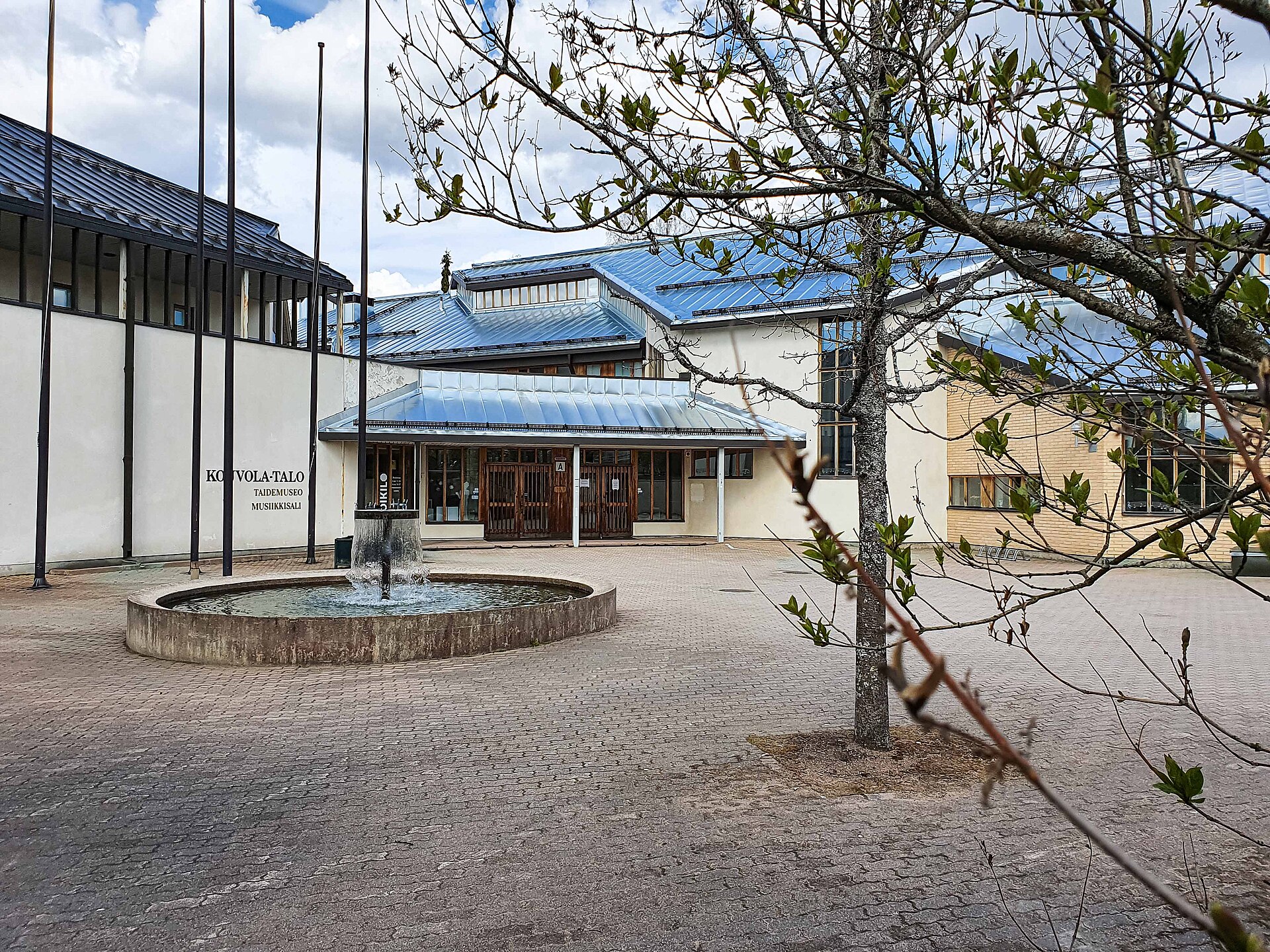
The building itself is part of the experience. Housed in a historic structure with creaking wooden floors and large, light-filled windows, the museum feels more like a well-preserved home than a formal institution. The architecture reflects traditional Finnish design—simple, functional, and warm—creating an atmosphere where the past doesn’t feel distant. There’s no grandiosity here, just a quiet invitation to step into another time. The space is arranged thoughtfully, with exhibits flowing naturally from one era to the next, allowing visitors to wander at their own pace.
While the permanent collection forms the core of the museum, temporary exhibitions add a dynamic element. These rotating displays cover everything from local crafts to contemporary art, sometimes branching out to explore themes beyond Kouvola’s borders. A recent exhibit might focus on the history of Finnish textiles, while another could feature works by regional artists. These shows keep the museum fresh for repeat visitors and offer a broader cultural context, connecting Kouvola to the rest of Finland and the world.
For those who want to engage more deeply, the museum offers guided tours and hands-on activities. School groups might try their hand at traditional woodworking, while adults can participate in workshops on everything from vintage photography to folk music. There’s even an opportunity to step into the shoes of a railway worker, learning how signals were operated or how repairs were made in the days before automation. These experiences aren’t just educational; they’re immersive, making history feel tangible rather than abstract.
A visit to Kouvola Museum isn’t something to rush. It’s the kind of place where you might linger over a photograph of a 1920s family picnic or pause to read a letter written by a soldier in 1942. The staff, often locals with a deep knowledge of the city’s history, are happy to share extra details or point out lesser-known stories. The museum doesn’t just present facts; it weaves them into a narrative that makes Kouvola’s past feel alive and relevant. You leave with more than just an understanding of dates and events—you carry away a sense of the people who lived here, their struggles, and their small triumphs.
Walking out of the museum, the city outside takes on new meaning. The streets, the railway station, even the modern buildings—all of it feels layered with history. You might find yourself looking at the old brick facades near the station and imagining the steam engines that once pulled in, or noticing how the layout of the city center still reflects its railway roots. Kouvola stops being just another stop on a map and becomes a place with a story, one that the museum has helped you see. It’s not just about looking back; it’s about understanding how the past shapes the present—and why some places, no matter how small, leave a lasting impression.