Kouvola Church is one of those places that doesn’t demand attention at first glance, yet leaves a quiet, lingering impression. Tucked away in the heart of the city, surrounded by modest buildings and well-kept parks, it’s easy to walk past without noticing. But if you pause and take a closer look, it becomes clear that this isn’t just another building—it’s a piece of history, woven into the fabric of Kouvola over decades.
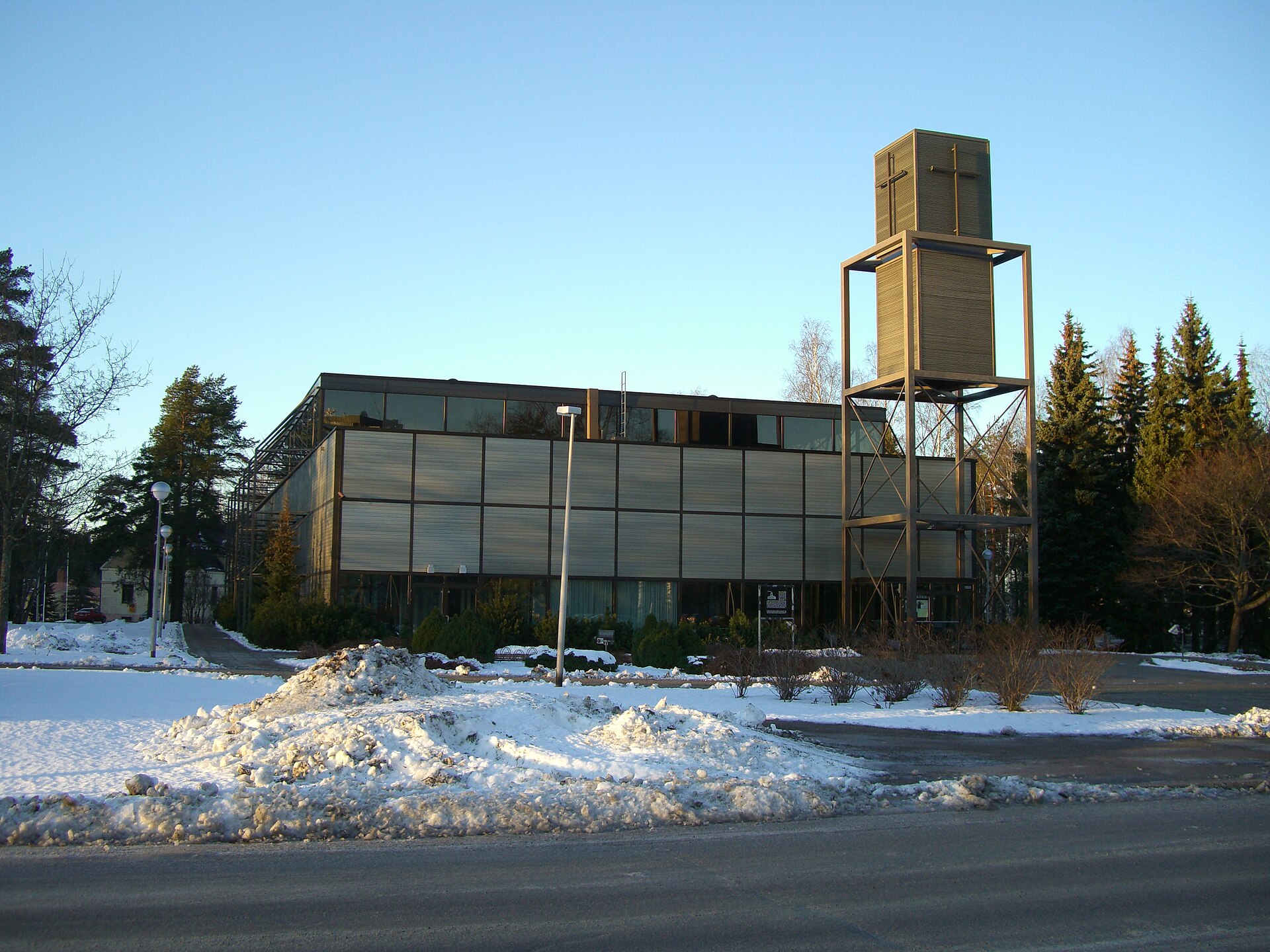
Built in the mid-20th century, the church stands as a symbol of Finland’s post-war recovery. Those were difficult years for the country, a time of rebuilding not just structures but also communities and meaning. The architecture reflects the spirit of the era—functional, unadorned, yet filled with light and space. Clean lines, large windows, and a minimalist interior create an atmosphere of calm, as if the building itself invites reflection. There’s no excess here, just a sense of purpose in every detail.
From the outside, the church appears unassuming: a low red-brick structure with a modest bell tower, blending seamlessly into its surroundings. But step inside, and the space opens up differently. High ceilings, wooden beams, and light filtering through stained glass create an airy, almost weightless feel. There are no elaborate frescoes or gilded decorations, just a sense of authenticity, as if every element serves a purpose. Even the pews, arranged in a semicircle, reinforce the Lutheran emphasis on community.
Kouvola is often seen as a transit point between Helsinki and other Finnish cities, but it’s here, away from tourist routes, that you can experience the rhythm of everyday Finnish life. The church fits into this context perfectly. It doesn’t try to impress or dazzle—it simply exists, fulfilling its role as a place for prayer, gatherings, and quiet thought. On Sundays, the congregation fills the space, the organ plays, and for a few hours, the bustle of the city fades into silence.
The church is deeply tied to Kouvola’s history. The city grew around its railway hub, and its development was shaped by the flow of people and goods. When the church was built in the mid-20th century, Kouvola was expanding rapidly—workers arrived, new neighborhoods sprang up, and infrastructure took shape. In this environment, the church became more than a spiritual center; it was a social hub where people could connect, share news, and support one another. Even today, as Kouvola has evolved beyond its industrial past, the church remains a vital part of the city’s identity.
Architecturally, the church belongs to the modernist tradition that took on a distinct character in mid-century Finland. There’s no ornamentation, but there’s careful attention to materials, light, and proportion. The result is a building that feels both functional and expressive. The interior is particularly striking, with light playing a central role. The stained glass, in muted tones, doesn’t so much decorate as it does bathe the space in a soft, diffused glow, creating a sense of peace.
This isn’t a place that draws crowds for dramatic photos or grand stories. It’s for those who appreciate quiet, simplicity, and authenticity. You can sit on a pew, listen to the organ, or watch the light shift across the wooden panels. In that way, it’s like many other Finnish churches—unassuming, yet deeply rooted in the lives of those who use it.
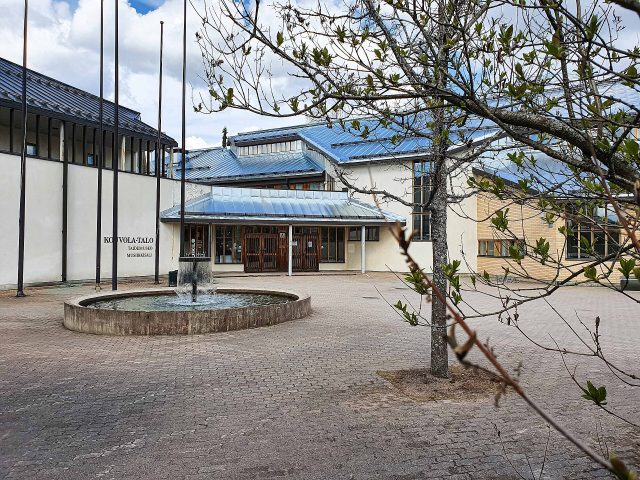
Around the church, a small park stretches out, where in summer you might see locals strolling with their children or reading on benches. In winter, the area is hushed, the only sound the crunch of snow underfoot. The church isn’t set apart from the city by high fences or elaborate gardens—it’s part of the urban fabric, like an old tree in a square, inseparable from the landscape around it. Perhaps that’s its greatest value: it doesn’t try to be extraordinary. It simply is, just like the city itself, its streets, and its people.