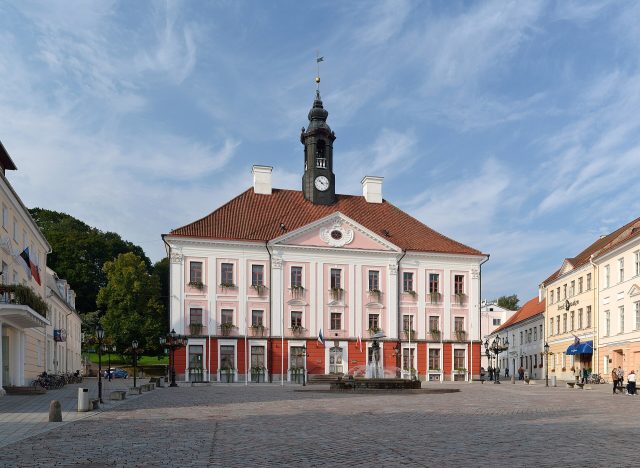
Tartu Art Museum is one of those places where the city’s quiet charm and its deep cultural roots come together in an unassuming way. Housed in a former merchant’s house on the edge of Tartu’s old town, the building itself tells a story—one of layers, of time passing, of how art finds its way into everyday spaces. The museum doesn’t overwhelm with grandeur; instead, it invites you in as if you’ve stumbled upon a well-kept secret, something meant to be discovered rather than announced.
The collection here is a mix of Estonian art from the 18th century to the present, with a particular focus on the 20th century, when the country’s artistic identity was both challenged and redefined. You won’t find blockbuster names or international masterpieces, but that’s not the point. What makes the museum special is how it reflects Tartu itself—thoughtful, a little offbeat, and deeply connected to the land and people. The early works often depict rural life, landscapes, and portraits that feel intimate, as if the artists were painting not for an audience, but for their neighbors. Later, as Estonia moved through occupations and independence, the art becomes more experimental, sometimes raw, always searching.
One of the museum’s strengths is its commitment to contemporary Estonian artists. The temporary exhibitions rotate frequently, giving a platform to voices that might otherwise go unheard. It’s not uncommon to walk into a show that feels urgent, whether it’s exploring themes of identity, memory, or the quiet tensions of modern life in a small country. The museum has a way of making these ideas feel personal, as if the art is speaking directly to you, not at you. There’s no pretension here, just a sense that art is still alive, still evolving, still part of the conversation.
The building itself is worth paying attention to. The core of it dates back to the 18th century, though it’s been modified over the years. The façade is simple, almost modest, but inside, the spaces unfold in unexpected ways. High ceilings, creaky wooden floors, and the occasional glimpse of original details—like a worn staircase or an old fireplace—remind you that this place has been lived in, worked in, and now, preserved. The museum doesn’t try to erase its past; instead, it lets the layers show, like the pages of a book you can almost read if you look closely enough.
Tartu has always been a city of ideas, and the Art Museum fits neatly into that tradition. It’s not the kind of place you’d visit for a quick photo op or a checklist of famous works. Instead, it’s the kind of museum that asks you to slow down, to look a little longer, to think about what you’re seeing. The permanent collection is arranged in a way that feels more like a journey than a timeline. You might start with a delicate 19th-century landscape, then turn a corner and find yourself face-to-face with a bold, abstract piece from the 1960s. The contrast isn’t jarring; it feels natural, like flipping through the pages of a family album where the past and present coexist.
What’s striking about the museum is how unassuming it is. There’s no grand entrance, no towering atrium, no sense that you’re stepping into a temple of culture. Instead, it feels like a home for art, a place where creativity is allowed to breathe. The staff, too, contribute to this atmosphere. They’re not hovering or overly formal; they’re there if you need them, but otherwise, they let you explore at your own pace. It’s the kind of place where you might strike up a conversation with someone in the galleries, not because you’re supposed to, but because the art has sparked something worth talking about.
The museum’s location in Tartu is no accident. This is a city that has always valued intellect and creativity, from its university to its cafés where writers and artists have gathered for centuries. The Art Museum sits on a quiet street, just a short walk from the Emajõgi River, which has shaped the city’s life for generations. On a summer day, you might visit the museum and then wander down to the riverbank, where the light plays on the water and the old bridges connect the past to the present. Or, if it’s winter, you might step inside from the cold and find yourself lingering longer than you planned, drawn in by the warmth of the place and the stories it holds.
There’s something deeply Estonian about the way the museum operates. It doesn’t try to be more than it is. It doesn’t chase trends or cater to mass tourism. Instead, it exists as a quiet testament to the country’s artistic soul, a place where the local and the universal meet. Whether you’re an art lover or just someone who appreciates a good story, the Tartu Art Museum offers a glimpse into a world where creativity is not just displayed, but lived. It’s the kind of place that stays with you, not because of what it shows, but because of how it makes you feel—like you’ve been let in on something real.