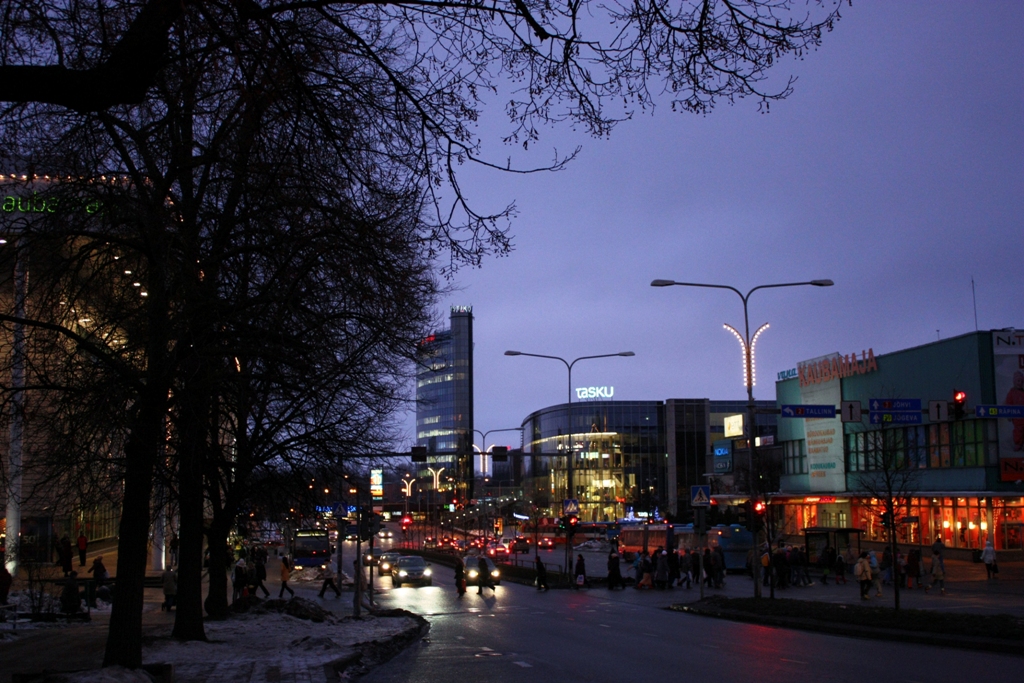
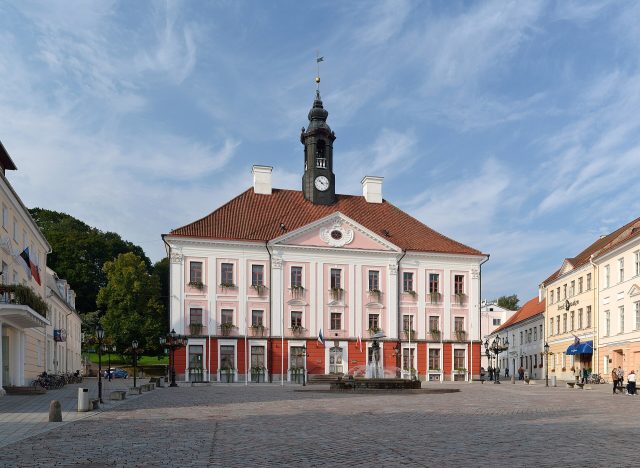
Tartu Market is one of those places where the city’s rhythm feels most alive. It’s not just a market—it’s a slice of everyday Estonian life, where locals and visitors alike come to pick up fresh produce, chat with vendors, or simply soak in the atmosphere. The market has been a fixture in Tartu for generations, evolving from a modest trading spot into a bustling hub that reflects the city’s character: practical, unpretentious, and quietly proud of its traditions.
The market’s history stretches back to the early 20th century, though its roots are even older. Tartu has always been a trading city, thanks to its position along the Emajõgi River, which once served as a vital transport route. Over the decades, the market has moved and changed shape, but its purpose has remained the same—to bring people together over food, goods, and conversation. The current location, near the city center, has been its home since the 1960s, and while the stalls and buildings have been modernized, the spirit of the place hasn’t faded.
Walking through the market, you’ll notice how it balances the old and the new. The main hall, with its high ceilings and large windows, feels open and airy, while the outdoor sections spill into the surrounding streets, especially on weekends when the area buzzes with activity. Inside, vendors sell everything from seasonal berries and mushrooms to locally made cheeses and smoked fish. The produce here isn’t just for show—it’s the kind of food Estonians actually eat, grown or crafted with care. You’ll find piles of potatoes, bunches of dill, jars of pickles, and loaves of dark rye bread, all arranged with the kind of no-nonsense efficiency that’s typical of Baltic markets.
One of the market’s charms is its lack of touristy polish. This isn’t a place designed to impress outsiders; it’s a working market where locals do their weekly shopping. That means the prices are fair, the quality is high, and the vendors aren’t shy about giving you a taste of their goods before you buy. If you’re lucky, you might strike up a conversation with a farmer who’s been selling here for decades, or a baker who’ll explain the difference between Estonian black bread and the lighter varieties. The market is also a great spot to try some of the country’s traditional dishes, like *sült* (jellied meat) or *verivorst* (blood sausage), especially in the colder months when hearty, warming foods take center stage.
Beyond the food, the market is a place where Tartu’s multicultural side comes through. The city has long been a melting pot, with influences from Russia, Germany, and Scandinavia shaping its culture. You’ll hear snippets of Russian alongside Estonian, see stalls selling Russian-style dumplings or German-inspired pastries, and find spices and ingredients that hint at the region’s broader culinary heritage. This mix of flavors and traditions is part of what makes the market feel so authentic—it’s not just about Estonian food, but about the food of the people who’ve lived here over the centuries.
The market’s atmosphere shifts with the seasons. In summer, the outdoor stalls are packed with fresh strawberries, cucumbers, and early tomatoes, while the air smells of grilled sausages and fresh herbs. Autumn brings a different kind of abundance—mushrooms, root vegetables, and preserves for the long winter ahead. Winter is quieter but no less lively, with vendors selling smoked meats, pickled goods, and warming drinks like *kali* (a traditional fermented beverage). Even in the depths of January, the market feels cozy, a reminder that life in Tartu doesn’t grind to a halt just because the days are short and cold.
For visitors, the market is more than just a place to buy souvenirs or snap a few photos. It’s a chance to see how Tartu functions on a daily basis, to understand what matters to the people who live here. The market doesn’t put on a show; it simply exists, as it has for decades, as a place where the city’s past and present intersect. Whether you’re here to grab a quick bite, stock up on local honey, or just wander and observe, you’ll leave with a sense of having touched something real—something that’s far more interesting than any postcard-perfect attraction.
If you’re planning to visit, it’s worth timing your trip for a weekday morning, when the market is at its busiest but not yet crowded. The early hours are when the best produce arrives, and the vendors are at their most talkative. Weekends can be lively too, but they’re also when the market feels most like a social event, with families browsing and friends catching up over coffee. No matter when you go, though, you’ll find that the market doesn’t just sell goods—it sells a feeling. A feeling of connection, of history, of a city that’s small enough to feel personal but big enough to have layers worth exploring.