Świnoujście sits where Poland meets the Baltic Sea, a quiet corner where the scent of pine forests mingles with salt air. Unlike the crowded resorts further along the coast, this town moves at its own pace, shaped by the rhythm of the waves and the lingering echoes of its past. Here, the sea isn’t just a backdrop—it’s the reason the place exists at all.
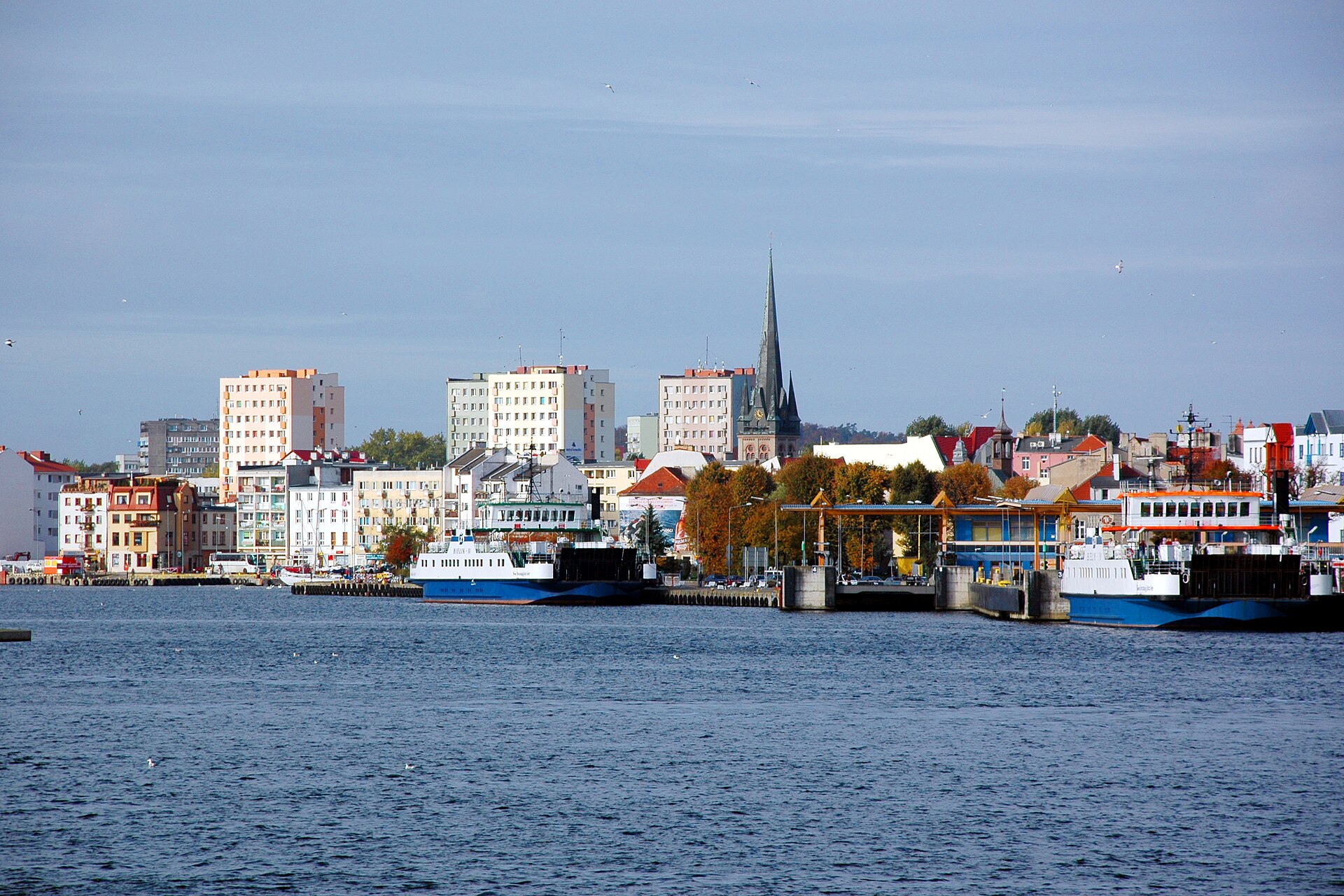
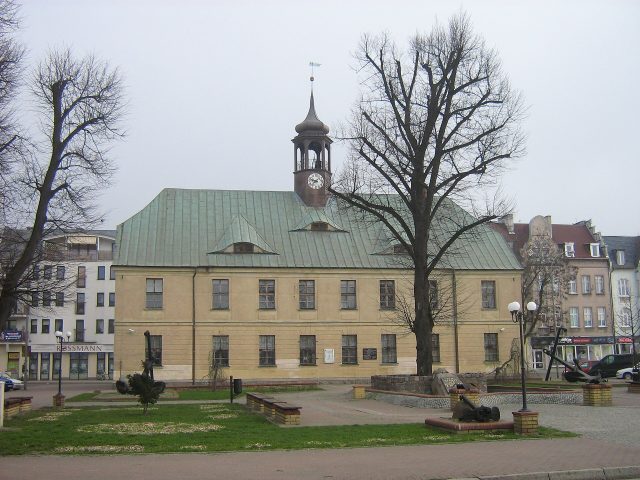
The town sprawls across several islands, connected by bridges and ferries, with the largest, Uznam, anchoring its heart. The streets of the old center wind past 19th-century buildings, their facades still carrying the elegance of a time when Świnoujście was a fashionable retreat for German aristocrats and wealthy merchants. The architecture tells a story of prosperity, of a town that once thrived as both a port and a playground for those who could afford its charms. Even now, the wide promenade along the waterfront feels like a stage set for leisurely strolls, where the past and present coexist without fuss.
History here is inseparable from the sea. In the 18th century, Prussian rulers recognized the strategic value of this stretch of coast, guarding the entrance to the Szczecin Lagoon and the trade routes beyond. By the 19th century, Świnoujście had grown into a bustling port, its docks humming with activity. Later, it reinvented itself as a resort, drawing visitors with its sandy beaches and fresh air. The old German name, Swinemünde, still appears on vintage maps, a quiet reminder of the layers beneath the town’s Polish identity.
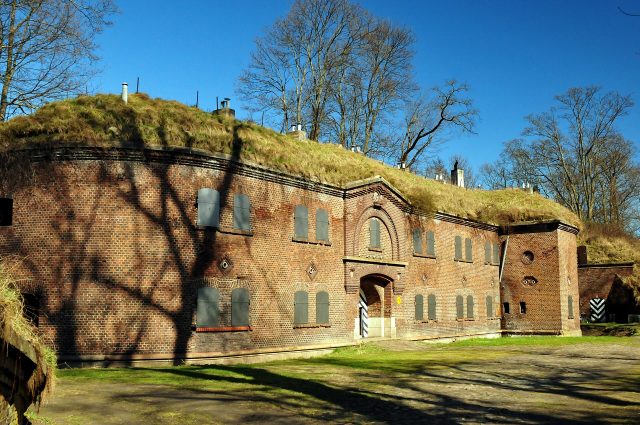
One of the town’s most enduring symbols is its lighthouse, built in the mid-1800s. It’s one of the tallest on the Polish coast, and climbing its steps rewards you with a view that stretches across the islands, the sea, and the distant horizon. Nearby, the old fortifications stand half-forgotten, their stone walls softened by grass and time. They were once vital to the town’s defense, a reminder that Świnoujście was more than just a holiday destination—it was a place of consequence. Today, they’re relics, but they add a sense of depth to the landscape, hinting at the tensions and ambitions that shaped the coast.
In summer, the town wakes up. The beaches fill with families, the promenade buzzes with cafes and ice cream stands, and the harbor welcomes boats offering short trips along the coast. The sand here is soft and wide, sloping gently into the water, and the sea is cleaner than in some of the more famous resorts. But Świnoujście isn’t trying to compete with Sopot or Kołobrzeg. It doesn’t need the crowds or the hype. When autumn arrives, the tourists leave, and the town settles into a different kind of rhythm. Storms roll in, waves crash against the piers, and the streets empty, leaving only the wind and the sound of the sea. It’s a time when the town feels most like itself—raw, unpolished, and quietly dramatic.
Beyond the town, nature takes over. The Woliński National Park begins just a short distance away, a sprawling expanse of forests, lakes, and trails where deer and wild boar roam freely. A ferry ride across the Świna River leads to Karsibór Island, where dunes shift with the wind and the ruins of old settlements whisper of a much older past. For those who prefer to stay active, there are cycling routes along the coast, spots for kitesurfing when the wind picks up, and fishing from the piers at dawn.
Świnoujście doesn’t try to impress. There are no grand attractions demanding attention, no must-see lists to tick off. What lingers is the feeling of the place—the way the light catches the water at sunset, the taste of coffee in a seaside café, the sound of the waves at night. It’s a town that doesn’t rush, that lets you slow down too. Maybe that’s why people return. Not for the sights, but for the sense of stepping into a slower, simpler way of life, where the sea sets the pace and the past is never too far away.