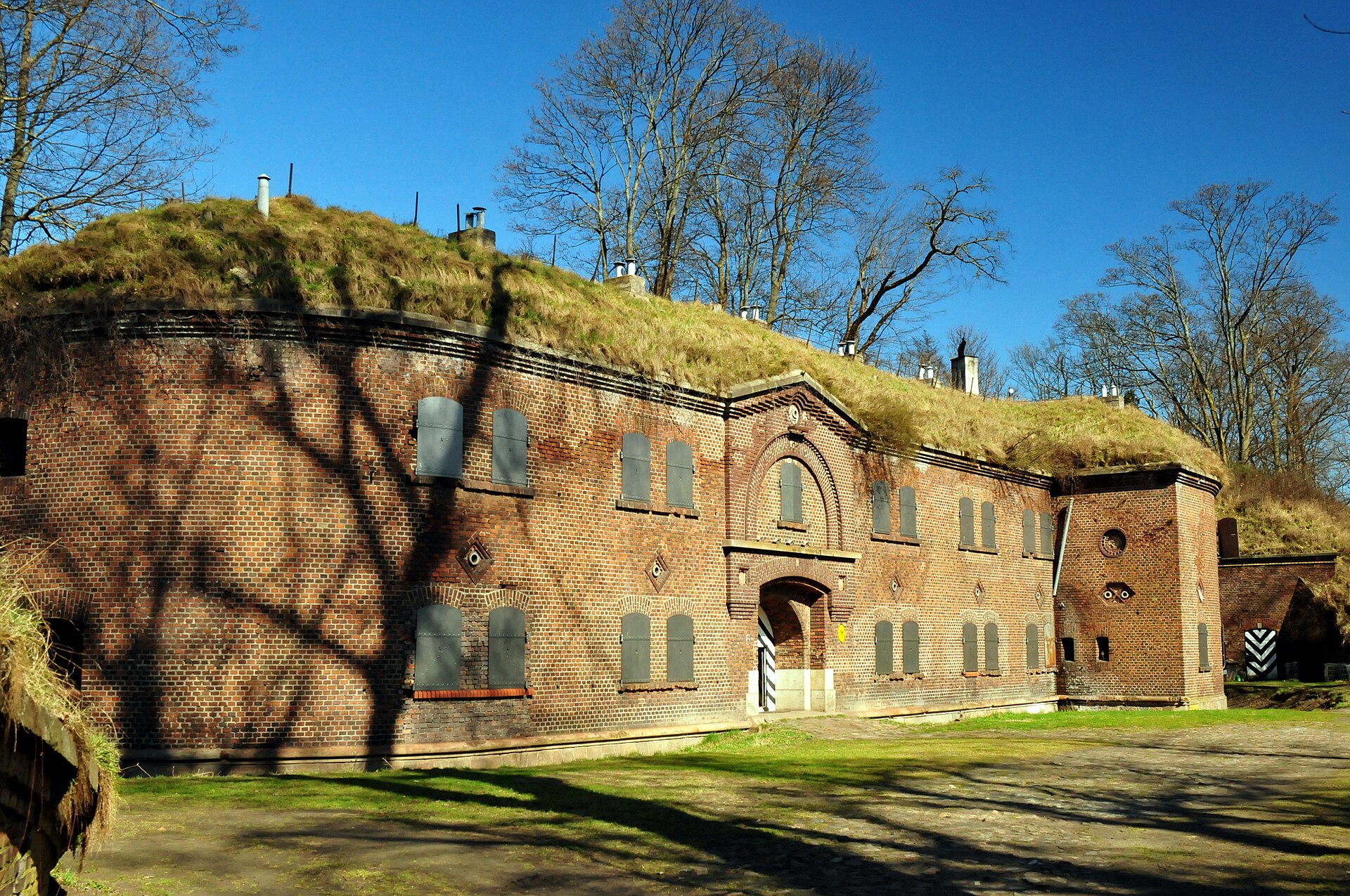
Fort Gerharda is one of those rare places where history isn’t just something you read about—it’s something you can almost touch. Perched on the quiet island of Wolin, just off the coast of Świnoujście, this 19th-century fortress was built to guard the strategic port and the mouth of the Świna River. Today, its weathered walls stand as a silent witness to a turbulent past, when this corner of Europe shifted between Prussian and German rule. There’s a weight to the place, a sense that the stones themselves remember what they were meant to protect.
Construction began in 1848 under the orders of King Frederick William IV of Prussia, a time when Europe was still unsettled by revolutions and the specter of war. The fortress was designed to be impregnable, a bulwark against any invader. Its builders used the most advanced techniques of the day: thick brick walls, underground tunnels, and vaulted chambers for artillery and supplies. The name—Fort Gerharda, or Fort Hercules—was meant to evoke strength, though in the end, the fortress never saw the kind of battle it was built for. History had other plans.
The architecture is pure mid-19th-century Prussian military engineering: massive, functional, and built to last. The fortress is shaped like a crescent, with rounded towers connected by long corridors. Inside, the spaces are surprisingly spacious—barracks, storerooms, and ammunition depots still feel solid, as if the soldiers might return at any moment. The central courtyard, enclosed by high walls, is where the garrison would have drilled, marched, and gone about their daily routines. The underground passages are damp and echo with footsteps, a reminder that some places resist the passage of time.
By the early 20th century, the fortress had already become obsolete. Advances in artillery made such fortifications vulnerable, and Fort Gerharda was gradually phased out of military use. During World War II, it served as a storage depot and a billet for German troops, but no major battles were fought here. After the war, when Świnoujście became part of Poland, the fortress was left to the elements, its purpose forgotten. Today, it bears the marks of all its eras: Prussian inscriptions on the bricks, wartime graffiti, and modern signs explaining its history to visitors.
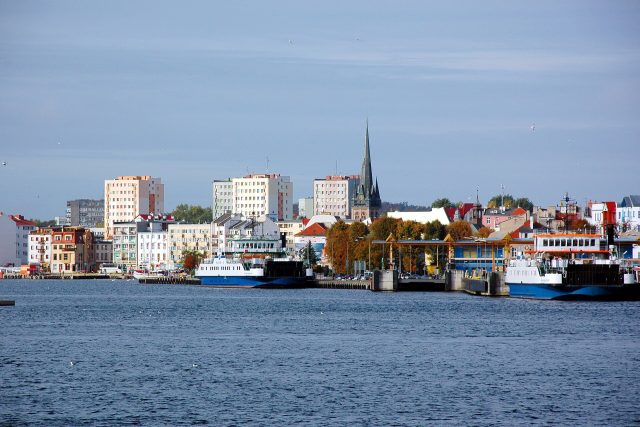
Visiting Fort Gerharda isn’t like touring a polished museum. There are no crowds, no guided tours with rehearsed scripts—just the quiet, the wind off the Baltic, and the sense that you’re walking through layers of time. The best view comes from the upper platform, where you can see Świnoujście’s port, the river, and the sea stretching out to the horizon. On clear days, you can even make out the faint outline of Usedom, the German island just a few kilometers away. It’s a reminder of how close history can feel, even when it’s distant.
The fortress appeals to more than just military history buffs. There’s a certain fascination in seeing how these structures were designed—how the builders accounted for ventilation, water supply, and escape routes. Some of the original details remain: iron hooks for lanterns, old stoves, narrow staircases worn smooth by decades of use. It’s easy to imagine the soldiers who lived here, the routines they followed, the way they must have scanned the sea for signs of danger. The place doesn’t just tell a story; it lets you step into it.
Wolin Island itself is worth exploring. It’s a quiet, green place with sandy beaches and pine forests, a world away from the bustle of the mainland. Getting there is simple—ferries run regularly from Świnoujście, carrying both pedestrians and cars. The island’s unhurried pace makes it the perfect complement to the fortress. There are no amusement parks or crowded resorts here, just the sound of waves and the rustle of trees.
What makes Fort Gerharda special is its authenticity. There are no glass cases or interactive displays, just the raw, unfiltered presence of the past. Walking through its corridors, you can almost hear the murmur of voices, the clatter of boots on stone, the distant orders of officers. It’s the kind of place that lingers in your memory long after you’ve left, not because it’s grand or spectacular, but because it feels real. In a world where so much history is sanitized for tourists, that’s rare.