Bern’s Old Town is one of those rare places where time seems to have settled into a quiet rhythm, untroubled by the rush of the modern world. Nestled on a narrow peninsula formed by the Aare River, its sandstone buildings glow warmly in the sunlight, their steep gabled roofs and arched arcades creating a sense of harmony that feels almost deliberate. The city was founded in the 12th century, and while much of Europe’s medieval past has been erased or rebuilt, Bern’s Old Town remains remarkably intact—a living museum where history isn’t just preserved but still very much alive.
Walking through its streets, you notice how the city’s layout has barely changed since the Middle Ages. The main thoroughfare, Kramgasse, stretches in a gentle curve, lined with six-story buildings that lean slightly forward, as if bowing to the weight of centuries. The arcades beneath them, known locally as *Lauben*, offer shelter from rain and sun, and have done so for over 800 years. These covered walkways were once the heart of Bern’s commercial life, where merchants sold everything from spices to textiles, and today they still hum with activity—cafés spill out onto the pavement, bookshops hide in quiet corners, and the occasional street musician adds a melody to the murmur of conversation.
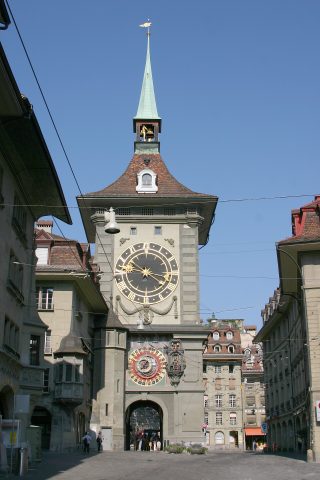
The architecture here is a testament to Bern’s prosperity during the late Middle Ages and the Renaissance. The sandstone facades, quarried from nearby hills, have weathered into soft golden hues, their details still sharp despite the passage of time. Many buildings feature ornate bay windows, intricate carvings, and painted facades that tell stories of the city’s past. One of the most striking examples is the *Zytglogge*, the medieval clock tower that has stood at the center of Bern since the 13th century. Its astronomical clock, added in the 16th century, is a marvel of Renaissance engineering, with moving figures that perform a small mechanical show every hour. The tower itself was once part of the city’s fortifications, and its name—meaning "time bell"—hints at its original purpose as a guard post and timekeeper for the growing town.
Bern’s Old Town isn’t just a collection of old buildings; it’s a place where history feels tangible. The city became a UNESCO World Heritage site in 1983, not just for its architecture but for the way it embodies the ideals of a medieval European city. The streets follow the natural contours of the peninsula, creating a sense of intimacy and scale that feels almost village-like, despite Bern’s status as Switzerland’s de facto capital. The Aare River wraps around the Old Town like a protective moat, its turquoise waters rushing over smooth rocks, and the sound of the river is never far away. Bridges like the *Nydeggbrücke* connect the old city to the newer districts, offering views that make it easy to imagine how Bern must have looked centuries ago—a fortified island of stone and wood, rising from the water.
One of the most charming aspects of the Old Town is how seamlessly the past blends with the present. While the buildings may be centuries old, their interiors often house modern businesses, art galleries, and even government offices. The Swiss Federal Parliament meets just a short walk from the *Zytglogge*, and the contrast between the medieval streets and the sleek, contemporary buildings of the government quarter is striking. Yet somehow, it works. Bern has always been a city of contrasts—conservative yet progressive, quiet yet influential—and the Old Town reflects that duality. You might stumble upon a small shop selling handmade leather goods, only to turn a corner and find a café where students debate politics over strong coffee.
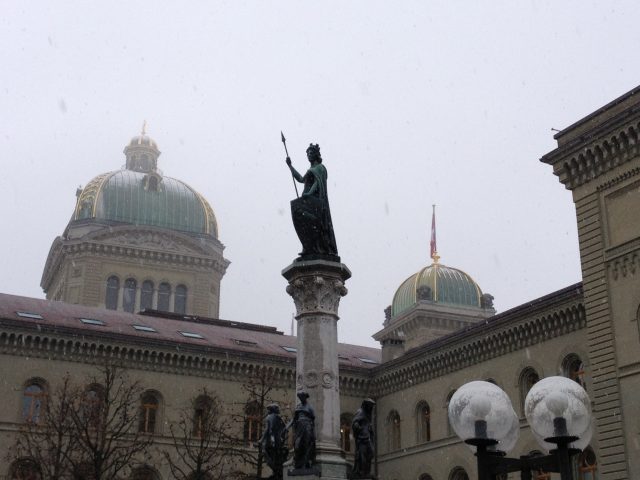
The Old Town is also home to some of Bern’s most beloved landmarks. The *Münster*, or Bern Cathedral, dominates the skyline with its towering spire, the tallest in Switzerland. Construction began in the 15th century, but the cathedral wasn’t completed until the 19th, and its Gothic architecture is a masterpiece of craftsmanship. Climbing the 344 steps to the top rewards you with a panoramic view of the city and the Alps beyond, a reminder of how small Bern must have felt when it was first built. Nearby, the *Bundeshaus*, or Federal Palace, stands as a symbol of Switzerland’s political identity. Its grand dome and neoclassical design contrast with the medieval streets, yet it feels entirely at home here—a testament to Bern’s role as the country’s administrative heart.
Life in the Old Town moves at a different pace. There are no cars in the narrow streets, only the occasional tram rattling along the cobblestones, and the absence of traffic noise makes it easy to lose yourself in the rhythm of the place. Locals and visitors alike linger in the arcades, browsing bookshops or stopping for a glass of wine at a sidewalk table. In the summer, the fountains—each crowned with a colorful statue—become gathering spots, their water cool and inviting. The *Kindlifresserbrunnen*, or Child-Eater Fountain, is one of the most famous, its grim figure a reminder of the darker side of medieval folklore. These fountains, scattered throughout the Old Town, were once the city’s water supply, and their whimsical designs reflect the creativity of Bern’s artisans.
Despite its age, the Old Town doesn’t feel like a relic. It’s a place where history is lived, not just observed. The annual *Zibelemärit*, or Onion Market, transforms the streets into a sea of braided onions, paper lanterns, and laughter, a tradition that dates back to the 19th century. In December, the Christmas markets bring a different kind of magic, with twinkling lights and the scent of mulled wine filling the air. Even on ordinary days, there’s a sense of continuity here—a feeling that the city has always been this way, and always will be.
What makes Bern’s Old Town special is its authenticity. It hasn’t been polished into a theme park version of the past; it’s a working city where people still go about their daily lives. The buildings may be old, but they’re not frozen in time. They’ve been adapted, repaired, and repurposed, just as they always have been. The arcades still shelter shoppers from the rain, the fountains still provide water, and the clock tower still marks the hours. It’s this blend of permanence and change that gives the Old Town its unique character—a place where the past isn’t just remembered, but still very much alive.