The Kunstmuseum Bern, or Bern Art Museum, is one of those rare places where art doesn’t just hang on the walls—it feels alive, woven into the fabric of the city’s history and the broader story of Switzerland. Opened in 1879, it was the first fine arts museum in the country to welcome the general public, a reflection of the cultural awakening that swept through Europe in the 19th century. Bern, like many cities of the time, was expanding rapidly, and the museum’s creation marked a moment when art became accessible beyond the elite. The building itself, a graceful example of neoclassical architecture, blends seamlessly into the old town, a UNESCO World Heritage site, its understated elegance complementing the cobblestone streets and medieval towers that surround it.
Inside, the museum’s collection spans from the 14th century to the present day, offering a journey through the evolution of artistic expression. Visitors can trace the delicate brushstrokes of Italian Renaissance masters, the rich textures of Flemish and Dutch paintings, and the distinct voices of Swiss artists whose work is deeply tied to the nation’s identity. Among them, Ferdinand Hodler stands out, his symbolist canvases capturing the Swiss spirit with a raw emotional intensity. His paintings, often monumental in scale and theme, resonate far beyond academic circles, drawing in anyone who pauses to look. They’re not just images; they’re stories of a country’s soul, rendered in bold lines and vivid colors.
But the museum isn’t confined to the past. Its galleries also showcase the radical shifts of the 20th century, from the jagged forms of expressionism to the dreamlike landscapes of surrealism. One of the most compelling figures here is Paul Klee, born just outside Bern, whose abstract works redefined modern art. His playful yet profound explorations of color and form offer a striking contrast to the more traditional pieces nearby. The museum doesn’t force a narrative—it lets the art speak, allowing visitors to draw their own connections between eras and styles. Whether you’re drawn to the precision of the Old Masters or the chaos of the avant-garde, there’s a sense that the collection is in conversation with itself, and with you.
The building’s design supports this experience. From the outside, it’s imposing but not overwhelming; inside, the space is thoughtfully arranged to let the art breathe. High ceilings and soft lighting create an atmosphere of quiet contemplation, while the layout encourages slow, unhurried exploration. Temporary exhibitions add a layer of unpredictability, often bringing in works from other museums or spotlighting contemporary artists. These shows keep the museum dynamic, ensuring that even repeat visitors find something new to discover.
Beyond its role as a repository of art, the Kunstmuseum Bern is a living part of the city. It’s a place where people gather—not just to admire paintings, but to discuss, learn, and engage. Lectures, workshops, and educational programs for all ages make the museum feel accessible, regardless of one’s familiarity with art. For those who might not consider themselves art enthusiasts, the museum offers other entry points: the stories behind the works, the historical context, or the way art reflects societal changes. It’s a space that invites curiosity rather than expertise.
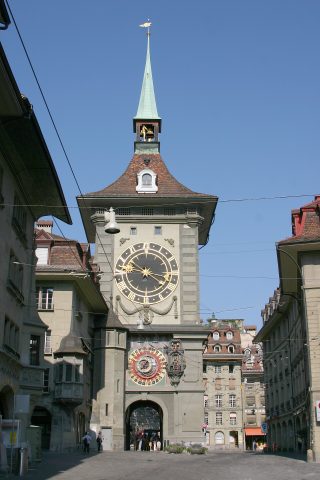
Bern itself is a city that rewards slow exploration. The museum sits in the heart of the old town, a short walk from the Zytglogge clock tower, the bear pits, and the winding arcades that line the streets. After a visit, it’s easy to wander down to the Aare River, where the water flows green and swift beneath the bridges, or to duck into one of the small cafés for a coffee and a slice of Swiss chocolate. The Kunstmuseum isn’t just a stop on a tourist itinerary; it’s part of the city’s rhythm, a place where locals and visitors alike can pause and reflect.
Time moves differently here. You might spend an hour drifting through the galleries, or you might lose yourself for an entire afternoon, returning to a favorite painting or stumbling upon an artist you’ve never heard of. The collection is always growing, with new acquisitions and rotating exhibitions ensuring that even regular visitors find fresh inspiration. The museum doesn’t try to dazzle or impress—it simply exists, letting the art take center stage. In that quiet confidence, it reveals its true value: not as a monument to the past, but as a space where the past and present coexist, inviting you to be part of the conversation.