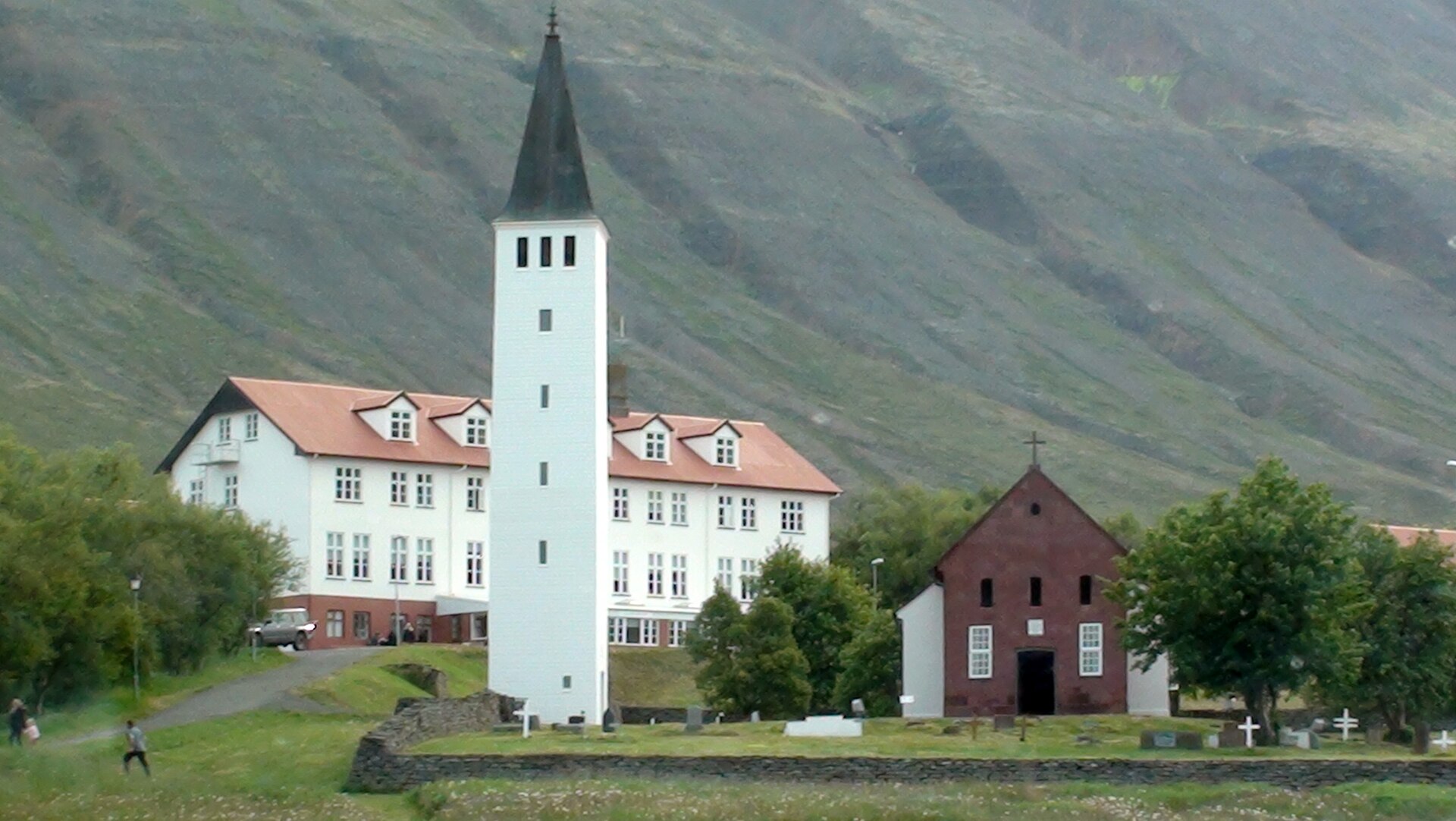
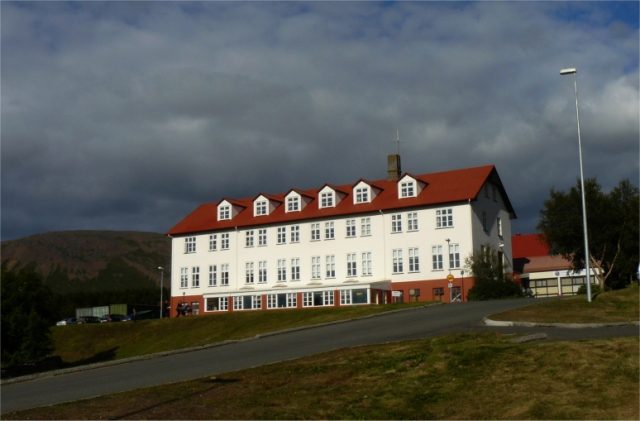
Hólar feels like a place where time moves differently. Tucked away in the quiet northern reaches of Iceland, this small settlement is more than just a dot on the map—it’s a living piece of history that has shaped the country’s culture and identity for centuries. The old estate here, nestled among rolling hills and green valleys, stands as a testament to Iceland’s spiritual and educational legacy, a role it has played since the Middle Ages.
The story of Hólar begins in 1106, when it was chosen as the seat of one of Iceland’s first two bishops. The decision wasn’t arbitrary. Far from the political intrigues of the south, Hólar became a center of religious life for the northern regions, a role it maintained for hundreds of years. Even after the Reformation, when Iceland adopted Lutheranism, the estate remained a vital institution. It continued to train priests and later became home to one of the country’s first agricultural schools, preserving its importance long after its medieval origins.
The architecture of Hólar reflects the many eras it has witnessed. The main building, constructed in the 18th century, is a fine example of traditional Icelandic design, with thick stone walls and a turf roof—a common feature in rural areas of the past. Inside, wooden beams, carved panels, and antique furniture offer a glimpse into daily life centuries ago. The most striking structure, however, is Hólar Cathedral, a modest yet elegant church built in the 19th century on the site of a medieval predecessor. Its simple interior, with stained-glass windows and a hand-carved altar, exudes a quiet dignity, a reminder of the craftsmanship that has flourished here over the years.
Today, Hólar is far from a relic of the past. It remains a vibrant cultural hub where history and modern life intersect. The estate still serves as an educational center, housing a university college that focuses on agriculture, tourism, and environmental studies. In the summer, the grounds come alive with festivals, concerts, and exhibitions celebrating Icelandic folklore and traditional crafts. Visitors can try their hand at weaving, blacksmithing, or cooking local dishes, or simply gather around a fire in the evening to listen to storytellers recounting the old sagas.
The landscape around Hólar is as compelling as the estate itself. The valley is framed by gentle mountains and lush meadows where sheep and Icelandic horses graze. A river winds through the area, once a prime spot for salmon fishing, and on clear days, the view stretches toward the northern fjords. Life here moves at a slower pace, much as it has for generations. Farmers still follow old traditions, cutting hay with scythes or drying fish in the open air—practices that have endured for centuries.
What makes Hólar special is the way its history isn’t confined to museums or plaques. It lives on in the everyday rhythms of the place. There’s no rush here, no sense of being in a tourist hotspot. Instead, the estate and its surroundings feel timeless, as if each stone and tree carries the weight of the past. It’s a reminder that Iceland isn’t just about dramatic landscapes and natural wonders—it’s also about quiet corners where the roots of its culture run deep.
For those who want to experience the real Iceland, Hólar offers a rare opportunity. You can spend a day wandering the grounds, exploring the old buildings, and listening to stories about the bishops and farmers who once lived here. Or you might choose to stay longer, renting a room in one of the nearby guesthouses, waking up to the sound of birds and setting out on a morning hike along the trails. There’s no grand spectacle here, no over-the-top attractions—just a sense of stepping into a world that has remained largely unchanged.
Hólar doesn’t demand attention; it earns it. The estate’s charm lies in its understated authenticity, in the way it quietly preserves a way of life that has all but disappeared elsewhere. Whether you come for the history, the landscape, or simply the chance to slow down, it leaves you with the feeling that you’ve touched something enduring—a place where the past isn’t just remembered, but still very much alive.