Botswana’s National Stadium in Gaborone is more than just a sports venue—it’s a place where the country’s history, culture, and everyday life intersect. Built in the late 1960s, it was one of the first major projects constructed after Botswana gained independence in 1966. At the time, the young republic was shaping its identity, and the stadium became a symbol of progress, unity, and the nation’s aspirations on the global stage. Its opening coincided with some of the first large-scale sporting events, drawing thousands of spectators from different tribes and regions, all gathered under one roof.
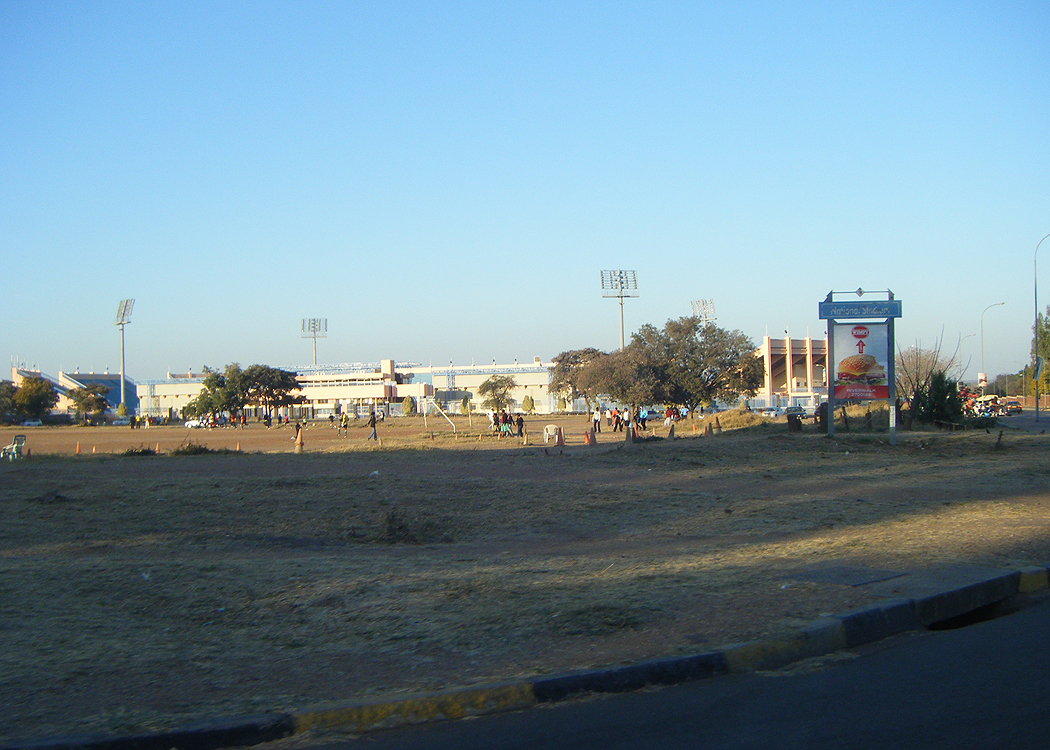
The stadium’s architecture is simple and practical, reflecting the priorities of the era. What mattered most was creating a sturdy, spacious venue rather than an extravagant design. The stands, capable of holding tens of thousands of people, encircle a football pitch with a running track, while the open structure allows for airflow—a necessity in Botswana’s hot climate. Over the years, the stadium has expanded to include training fields, administrative buildings, and small vendors selling food and souvenirs on match days. This gives it the feel of a community space rather than just a sports facility.
Beyond football, the National Stadium plays a central role in Botswana’s national life. It hosts Independence Day celebrations, where thousands gather to sing the national anthem, wave flags, and watch performances by schoolchildren, athletes, and veterans. On such occasions, the stadium transforms into a grand stage, showcasing the country’s achievements and hopes for the future. Football matches, especially those featuring the national team, draw capacity crowds, with fans dressed in the country’s colors creating an atmosphere that’s uniquely Botswanan.
Football in Botswana is more than a game—it’s a way for people to express their national pride, particularly in rural areas where local clubs often serve as community hubs. The National Stadium is where teams from across the country compete for championships, and it’s not just professionals who play here. School teams, amateur clubs, and even government department squads take the field. On tournament days, the city buzzes with excitement, streets fill with supporters, and the air hums with anticipation. Even when the national team doesn’t win, the stadium remains a place where people feel part of something bigger.
Like many African stadiums, Botswana’s National Stadium has faced challenges over the years. Funding shortages, wear and tear, and competition from newer venues in neighboring countries have raised questions about its future. Yet, both the government and the public have emphasized that the stadium is more than just a sports facility—it’s part of the nation’s heritage. Recent renovations have improved seating, installed new scoreboards, and upgraded security, helping the stadium stay relevant, even if it can’t match the technical standards of newer arenas elsewhere.
The stadium also serves as a cultural venue, hosting concerts, traditional music and dance festivals, and craft fairs. On these days, the atmosphere shifts from the tension of a football match to the rhythms of drums and the energy of live performances. Local artists, blending traditional sounds with modern influences, draw crowds who come not just for sports but for music and connection. For many in Gaborone, these events offer a chance to experience the country’s cultural diversity in one place.
Despite its importance, the National Stadium retains an unpretentious, down-to-earth feel. Families with children, groups of teenagers cheering for their teams, and older locals who remember the stadium from their youth all gather here. On quiet days, when there are no matches or events, the area around the stadium becomes a place for jogging, casual football games, or simply sitting on the benches and watching the city go by. In this way, the stadium is both a symbol and a part of daily life, where history meets the present.
For tourists visiting Gaborone, the National Stadium might not be the first stop on the itinerary. The city has museums, parks, and markets that draw more attention. But for those curious about life beyond the usual tourist spots, it’s worth a visit. Even if no event is happening, walking through the empty stands or imagining the roar of a crowd can offer a glimpse into Botswana’s spirit. There’s also a small sports museum on-site, though its hours can be unpredictable. Ultimately, the stadium isn’t just about architecture or events—it’s about the people who fill it with memories, dreams, and the shared experience of being Botswanan. That’s what makes it truly alive.