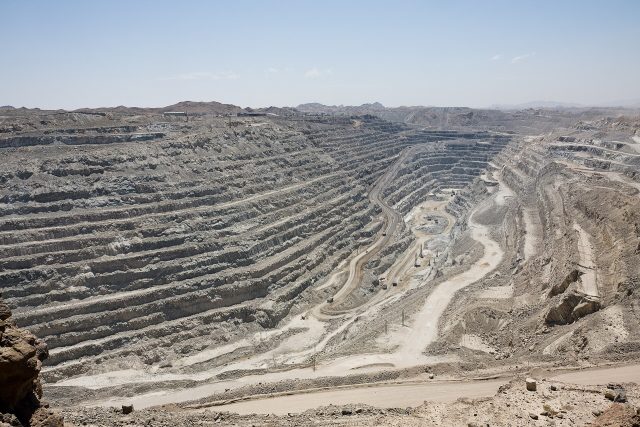
Arandis is a town many travelers pass through on their way to Namibia’s more famous destinations. It’s defined by uranium mines and the stark beauty of the desert. But look closer, and you’ll find the people who call it home—and the quiet rhythms of their daily lives.
The Arandis Sports Complex sits in the heart of the town. It isn’t grand like the stadiums in Windhoek or Swakopmund. There’s no pomp here, just the steady pulse of sport woven into everyday life.
The complex began in the early days of Arandis, when the town grew around its uranium mines. As houses and offices appeared, so did the need for spaces where people could unwind. Sport became a way to bring together workers who had arrived from across Namibia. In those years, organized sports were still taking shape, and places like this helped build the community. Today, the complex may look modest, but its walls hold decades of memories—matches, training sessions, and competitions.
The architecture is simple. The main building is low-slung, with wide windows that let in light. Around it, open-air pitches and courts stretch out: a sandy football field, running tracks, basketball and volleyball areas. A low fence surrounds the space, and a few scattered trees offer shade in the desert landscape. On hot days, their sparse cover becomes a refuge from the sun.
Football is the most popular sport here. Local matches draw crowds, and the atmosphere is relaxed. Spectators bring chairs, kids run along the sidelines, and after the game, people linger to chat over tea or a cold drink. Volleyball and basketball have their fans, though fewer. There’s no divide between amateurs and pros—everyone comes for the joy of it.
School competitions matter here. For many of Arandis’s children, this is where they first experience organized sport. Training sessions and tournaments give kids a chance to run, compete, and discover talent. The town doesn’t have sports academies, so the complex fills that gap. On weekends, families come to cheer or join in the games.
The complex is a vital part of Arandis’s social life. In a town shaped by mining, sport offers a break from routine. It’s never crowded, but there are always regulars: early-morning runners, after-work footballers, people who sit on the benches and watch. That’s the beauty of the place—it doesn’t try to impress. It just serves its purpose.
The complex, like the town, has seen better days. As uranium mining declines and Arandis’s population shrinks, facilities fall into disrepair. The pitches need maintenance, equipment is outdated, and fewer people come by. But it remains a cornerstone of local life. The community still rallies for cleanup days, patching up what they can. Enthusiasts organize training sessions and matches, refusing to let the place fade.
For travelers who venture beyond the usual trail, the Arandis Sports Complex offers something unexpected. There are no grand attractions, just a chance to see the town as it is. Drop by in the late afternoon, when the heat eases, and watch a local football team practice. Or come in the evening, when the courts buzz with games and laughter. Sport here isn’t just about competition—it’s about keeping people connected in a town that marches to its own beat.
The complex wasn’t built to dazzle. It was built to serve the people who live here—those who come for movement, company, or a brief escape from the desert. And as long as they need it, the complex will keep doing its quiet, essential work.