St. Nicholas Cathedral reveals a different side of the principality. Built in the mid-19th century, it was the first Orthodox church in Monaco, reflecting the ties between the Grimaldi family and Russia. Prince Albert I’s marriage to Russian noblewoman Maria Viktorovna Dolgorukaya brought a new religious community to the country. The cathedral was funded by the princely family and local parishioners and remains a symbol of spiritual continuity.
The architecture is understated, designed in the Neo-Byzantine style. White stone walls, golden domes, and narrow arched windows give the building a sense of lightness. Inside, the cathedral feels intimate. The iconostasis, painted by Russian artists, oil lamps, and frescoes of saints create an atmosphere of quiet reverence. Unlike the Catholic cathedrals of Monaco, St. Nicholas has warmth—every detail carries meaning, but nothing is excessive.
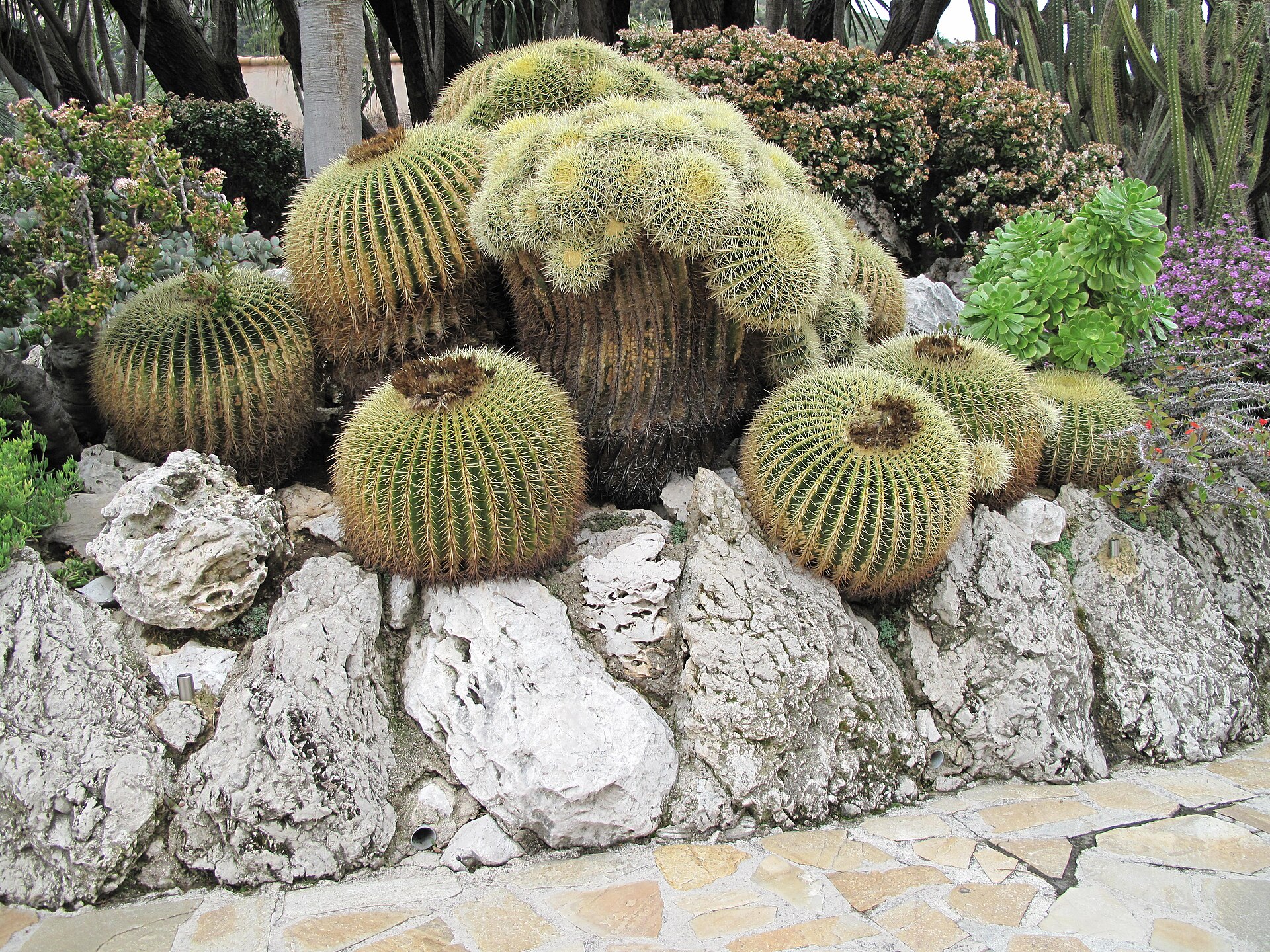
The cathedral sits in the Jardin Exotique district, known for its botanical gardens and Mediterranean views. The area contrasts with Monte Carlo’s bustle, with winding paths lined with rare plants. The church’s white walls stand out against the greenery, its domes rising above the rocky hills. Visitors often stop here while exploring the gardens, seeking a moment’s peace.
For the local Orthodox community, the cathedral is a cultural hub. Christmas and Easter services draw crowds, as do baptisms, weddings, and concerts. In a country where Orthodox Christians are a minority, it gathers Russians, Greeks, Serbs, and others who find comfort in its rituals. For tourists, it offers a glimpse of Monaco’s tradition over spectacle.
The cathedral’s history is tied to the Grimaldi family. After the Russian Revolution, many aristocrats fled to Monaco, including Grand Duchess Anastasia Mikhailovna, who became a patron of the Orthodox community. It hosted Prince Albert I’s funeral in 1911 and Prince Rainier III’s memorial service in 2005. These events show that Monaco values history and tradition.
Inside, the cathedral holds relics that tell stories of Monaco and the Russian diaspora. Icons from Russia, church vessels donated by European communities, and memorial plaques fill the space. One revered icon is of St. Nicholas the Wonderworker, patron saint of sailors—a fitting tribute in a maritime country. Locals still pray here for the safety of those at sea, connecting the cathedral to Monaco’s past as a fishing village.
Visiting St. Nicholas Cathedral lets you see Monaco differently. In a place dominated by luxury, it offers quiet. It doesn’t attract crowds like the Prince’s Palace or Monaco Cathedral. Here, time slows. Sit on a wooden pew, listen to prayers, and notice the light through the windows, the scent of incense.
The Jardin Exotique is one of Monaco’s best viewpoints. After visiting the church, wander the gardens. From the lookout points, the principality unfolds below—Monte Carlo’s red roofs, the harbor, the old town’s winding streets. The cathedral fades into the background, a quiet guardian of history, a reminder that even in glamorous places, reflection and ordinary lives matter.