Bern Cathedral, or Berner Münster, stands as the tallest cathedral in Switzerland, a Gothic masterpiece that has watched over the city for centuries. Its construction began in 1421, though the building wasn’t completed until the late 19th century, a testament to the patience and craftsmanship of generations of stonemasons, sculptors, and architects. The cathedral’s spire, reaching 100 meters into the sky, was finally added in 1893, long after the original plans had been drawn. Climbing its 344 steps rewards you with one of the best views of Bern’s old town, where the Aare River curls around the city like a protective ribbon, and the rooftops glow in the soft light of the Swiss plateau.
The facade of the cathedral is a storybook in stone, carved with scenes from the Last Judgment—a common theme in medieval religious architecture, meant to remind passersby of the consequences of their earthly actions. The central portal, with its intricate sculptures, is particularly striking. Over 200 figures, some serene, others grotesque, depict the saved ascending to heaven while the damned are dragged into the jaws of hell. The craftsmanship is astonishing, especially considering the tools available at the time. The figures are not just decorative; they were meant to instruct, to provoke thought, and to inspire awe in those who entered.
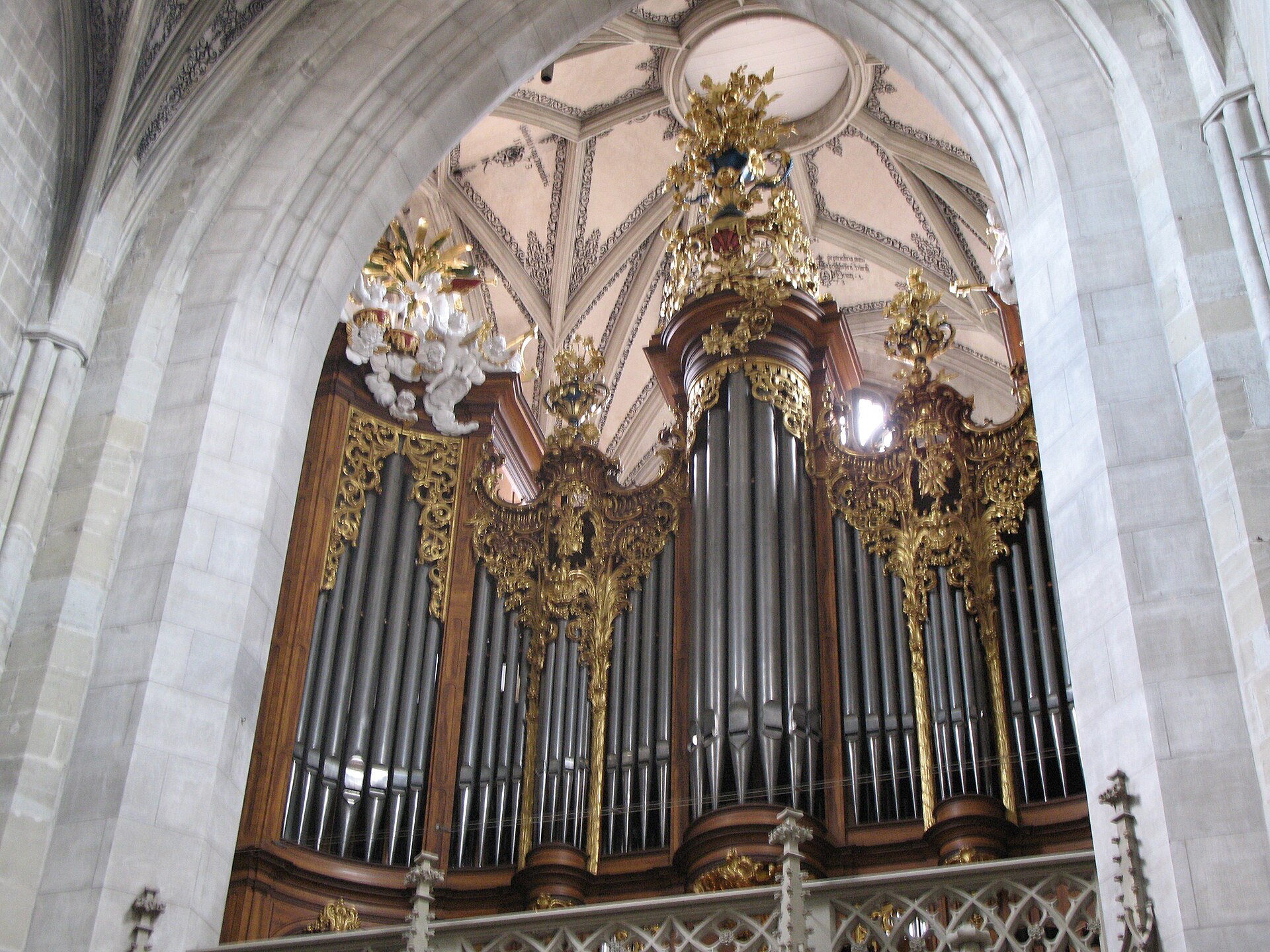
Inside, the cathedral feels vast and airy, a contrast to the dark, heavy interiors of many Gothic churches. The nave stretches 85 meters, its high vaulted ceilings drawing the eye upward, where the ribs of the arches meet in delicate patterns. The stained glass windows, added in the 19th and 20th centuries, bathe the space in colored light, though some of the original medieval glass was lost over time. The choir stalls, carved in the 16th century, are another highlight, their wooden panels adorned with intricate designs and figures from biblical stories. The cathedral’s organ, one of the largest in Switzerland, fills the space with music during services and concerts, its deep tones resonating through the stone.
Bern Cathedral has always been more than just a place of worship. During the Reformation in the 16th century, it became a symbol of the city’s shift from Catholicism to Protestantism. The reformer Berchtold Haller preached here, and the cathedral’s interior was stripped of its Catholic ornamentation—altars, statues, and paintings—leaving behind the stark, unadorned space that defines Protestant churches to this day. The pulpit, from which Haller delivered his sermons, remains a focal point, a reminder of the cathedral’s role in shaping Bern’s religious and cultural identity.
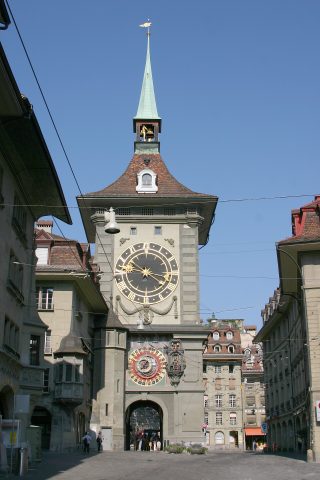
The cathedral’s clock tower, though not as famous as the Zytglogge, still plays a quiet role in the city’s rhythm. Its bells chime the hours, a sound that has marked the passage of time for centuries. The largest bell, cast in 1611, weighs over ten tons and is one of the heaviest in Switzerland. On special occasions, the bells ring in unison, their deep, resonant tones carrying across the rooftops of the old town. The tower also houses a small museum, where visitors can see the old clockwork mechanism and learn about the history of timekeeping in Bern.
Surrounding the cathedral is the Münsterplattform, a terrace that offers a peaceful retreat from the bustle of the city. Once a cemetery, the platform is now a quiet square lined with trees and benches, where locals and visitors alike come to sit and enjoy the view. From here, you can see the rooftops of the old town, the distant Alps on clear days, and the slow curve of the Aare below. The terrace is also home to the Münsterbrunnen, a fountain adorned with a statue of Moses holding the Ten Commandments, a nod to the cathedral’s religious heritage.
The cathedral’s significance extends beyond its architecture and history. It has been a witness to Bern’s growth from a small medieval town to a thriving capital. During the 18th and 19th centuries, as Bern expanded, the cathedral remained a constant, its spire a landmark visible from miles away. Even today, it serves as a gathering place for the city, hosting concerts, exhibitions, and community events. The annual Christmas market, held in the cathedral square, transforms the space into a festive hub, with stalls selling handmade crafts, mulled wine, and local delicacies.
Visiting Bern Cathedral is not just about admiring its grandeur; it’s about stepping into a living piece of history. The stone beneath your feet has been worn smooth by centuries of footsteps, the air carries the faint echo of prayers and hymns, and the light filtering through the stained glass tells stories of faith, art, and resilience. Whether you climb the tower for the view, sit in the nave to listen to the organ, or simply wander the Münsterplattform, the cathedral offers a moment of quiet reflection in the heart of a busy city. It’s a place where the past and present coexist, where every detail has a story, and where Bern’s spirit feels most alive.