Perched on a hill overlooking the Rhine, Basel Minster has watched over the city for nearly a thousand years. Its warm, reddish sandstone walls rise above the old town, a quiet but unmistakable presence in Basel’s skyline. The building is more than just an architectural landmark—it’s a living piece of the city’s history, shaped by fires, earthquakes, and shifting religious tides. Unlike many medieval cathedrals that feel frozen in time, this one still breathes. Services, concerts, and weddings keep it rooted in daily life, while its soaring arches and intricate stonework whisper of the past.
The first church on this site was a Romanesque basilica, built in the 11th century when Basel was little more than a bishop’s town on the edge of the Holy Roman Empire. That structure burned in 1185, and the current Gothic cathedral took its place, evolving over centuries. The two asymmetrical towers—named after St. George and St. Martin, the city’s patrons—are its most striking feature. The northern tower, heavier and unfinished, gives the building a slightly lopsided charm. From its viewing platform, the city unfolds below: the winding Rhine, the rooftops of the old town, and, on clear days, the distant Jura foothills.
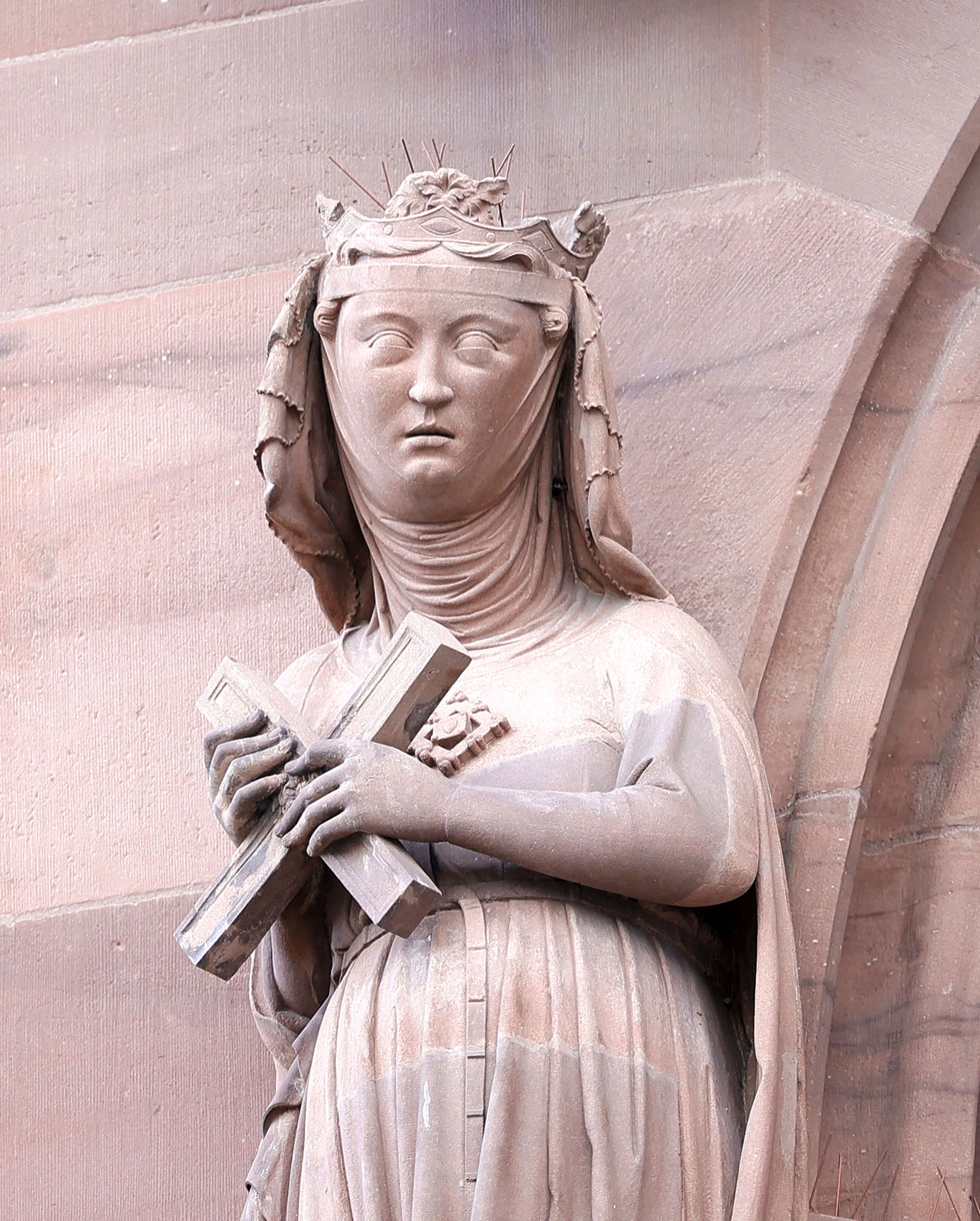
Inside, the cathedral feels surprisingly light and airy. Tall vaults and slender columns draw the eye upward, while details from different eras coexist in harmony. Romanesque capitals sit alongside Gothic stained glass and Renaissance tombs. The choir, once the seat of the Basel cathedral chapter, holds a quiet but significant relic: the grave of Erasmus of Rotterdam. The great humanist spent his final years in Basel and was buried here in 1536. His tomb is unassuming, yet it draws visitors not as a grand monument, but as a reminder of the city’s role as a center of learning during the Renaissance.
The cathedral has been a stage for some of Europe’s most pivotal moments. In the 15th century, it hosted the Council of Basel, a sprawling ecclesiastical gathering that debated church reform, papal authority, and even the possibility of reuniting with the Orthodox Church. The council dragged on for nearly two decades, turning Basel into a hub of intellectual and religious debate. Later, during the Reformation, the cathedral became Protestant, a rare transition for a Catholic church that preserved much of its original decoration. Today, services follow the Reformed tradition, but the building’s layered history remains visible in every stone.
The cathedral’s courtyard, framed by arched walkways, was once the heart of the episcopal complex. Now, it’s a peaceful spot where locals and visitors linger on benches, watching the light play across the sandstone facade. In summer, open-air concerts fill the space with music; in winter, a small Christmas market brings warmth to the crisp air. The atmosphere here is different from the rest of the city—slower, softer, as if time moves at its own pace.
For Basel’s residents, the cathedral is more than a tourist attraction. It’s a place to pause, to think, or to meet a friend. On Sunday mornings, the pews fill with worshippers, and afterward, many spill into nearby cafés for coffee. The building is woven into the city’s fabric, visible from almost anywhere in the old town. At dusk, its walls glow reddish in the fading light, and the sound of bells drifts across the rooftops, a familiar and comforting presence.
Climbing the tower offers a different perspective on Basel. From above, the city spreads out along both banks of the Rhine, a mix of medieval alleys, modern bridges, and quiet neighborhoods. On clear days, the view stretches to the French and German hills in the distance. The cathedral doesn’t dominate the skyline—it anchors it, a steady point in a city that has grown and changed around it. That balance between past and present is what gives Basel its character, and the minster is at the heart of it.
There’s no need for a guidebook or a structured tour to appreciate the cathedral. A small museum inside displays fragments of old sculptures, religious artifacts, and documents tracing the building’s history, but the real draw is the space itself. The light filtering through stained glass, the hush of footsteps on stone, the sense of centuries layered within the walls—it’s all there, waiting to be felt rather than explained. The cathedral isn’t just a monument; it’s a place where history lingers, not as something distant, but as part of the air you breathe.