The Kunstmuseum Basel holds a unique place in the world of art, not just as a repository of masterpieces but as a living institution that has shaped how we think about public access to creativity. Founded in 1661 when the city acquired the private collection of a Basel ambassador, it became the first museum of its kind open to the public. Over the centuries, it has grown into more than just a gallery—it’s a chronicle of changing tastes, ideas, and the very notion of what art can be. Walking through its halls feels like flipping through the pages of history, where each era’s understanding of beauty and meaning unfolds before you.
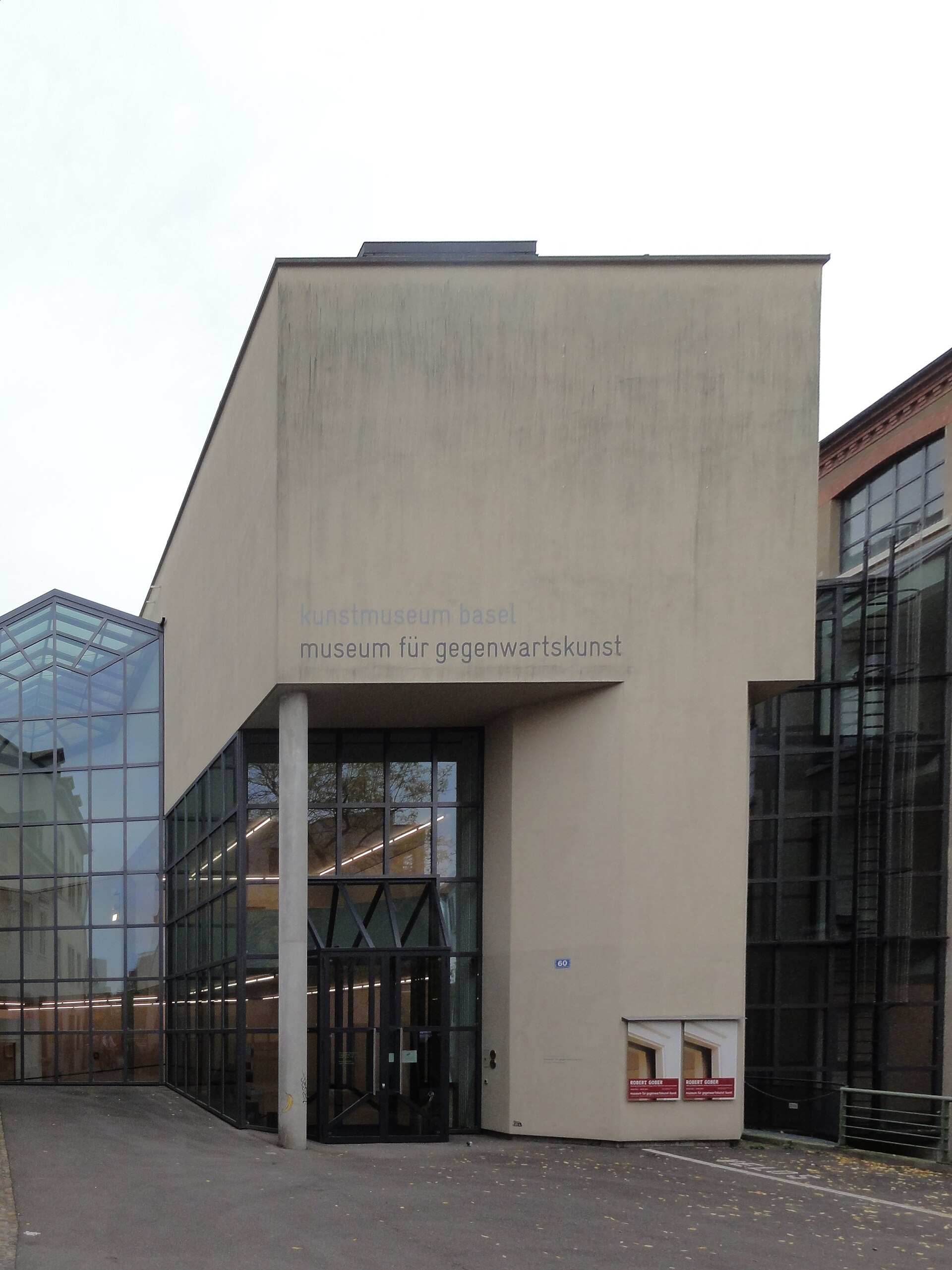
The museum’s architecture tells its own story. The original wing, built in the early 20th century, balances classical elegance with modern practicality. High ceilings and large windows flood the spaces with natural light, creating an environment where art doesn’t overwhelm but invites contemplation. In 2016, the museum expanded with a new building designed by Christ & Gantenbein, a bright and airy space that houses contemporary works. Here, traditional paintings share walls with experimental installations, bridging the gap between past and present.
The collection is a journey through time, beginning with Renaissance works like those of Hans Holbein the Younger, whose portraits capture the depth of human emotion with striking precision. Basel’s own Arnold Böcklin is well represented, his mythological and Symbolist paintings offering a glimpse into 19th-century Swiss art. The museum also holds a remarkable selection of modern masters, including Picasso, Modigliani, and Chagall, donated in the mid-20th century. These pieces don’t just complement the collection—they redefine it, showing how artistic techniques and philosophies have evolved over centuries.
Yet the Kunstmuseum isn’t stuck in the past. It actively engages with contemporary art, hosting temporary exhibitions and projects that challenge visitors to reconsider the role of creativity in today’s world. The modern galleries often feature installations, video art, and performances that sit alongside classical works, creating a dialogue between old and new. This contrast isn’t just visually striking—it encourages visitors to think critically about what art means now, and what it might become.
Beyond exhibitions, the museum is a hub for the local community. Lectures, workshops, and artist talks make art accessible, turning it from something distant into a shared experience. Programs for children and teenagers help demystify creativity, showing that art isn’t just for experts but for everyone. The museum doesn’t dictate how to interpret what you see—it simply offers a space to explore, question, and connect.
The atmosphere here is quiet and reflective, a rare quality in a world of crowded tourist sites. Visitors often linger for hours, returning to favorite pieces or simply soaking in the surroundings. The museum café is a perfect place to pause, whether to discuss what you’ve seen or just watch others who, like you, have come seeking inspiration, quiet, or a moment of connection with something enduring.
What makes the Kunstmuseum Basel special isn’t just its collection or its history—it’s the way it makes art feel essential. It reminds us that creativity isn’t a luxury but a fundamental part of being human, helping us make sense of the world and ourselves. That’s why people keep coming back, not just as tourists but as locals for whom the museum is woven into the fabric of the city. It’s a place where art isn’t just displayed—it’s lived.