Smolensk is a city where history lingers in the air, woven into the streets and squares like an invisible thread. It has been shaped by generals and poets, by ordinary people whose names now stand etched in stone. The Heroes’ Memorial Square is one of those places where the weight of the past feels especially present—not as a tourist attraction, but as a quiet space for reflection. Here, the stories of those who gave their lives for the city and the country are not just remembered; they are kept alive in the way people pause, look around, and think.
The square itself is relatively new, but its origins are tied to events that left deep scars on Smolensk. During World War II, the city became a battleground, a strategic prize on the road to Moscow. German forces pushed forward, while Soviet soldiers and civilians fought desperately to hold every street, every building. Smolensk was nearly destroyed, its streets reduced to rubble, yet it never fell. After the war, the city was rebuilt from the ground up, and the memory of those who perished became part of its new identity. The Heroes’ Memorial Square emerged as a place to honor that sacrifice, a physical reminder of what was lost and what endured.
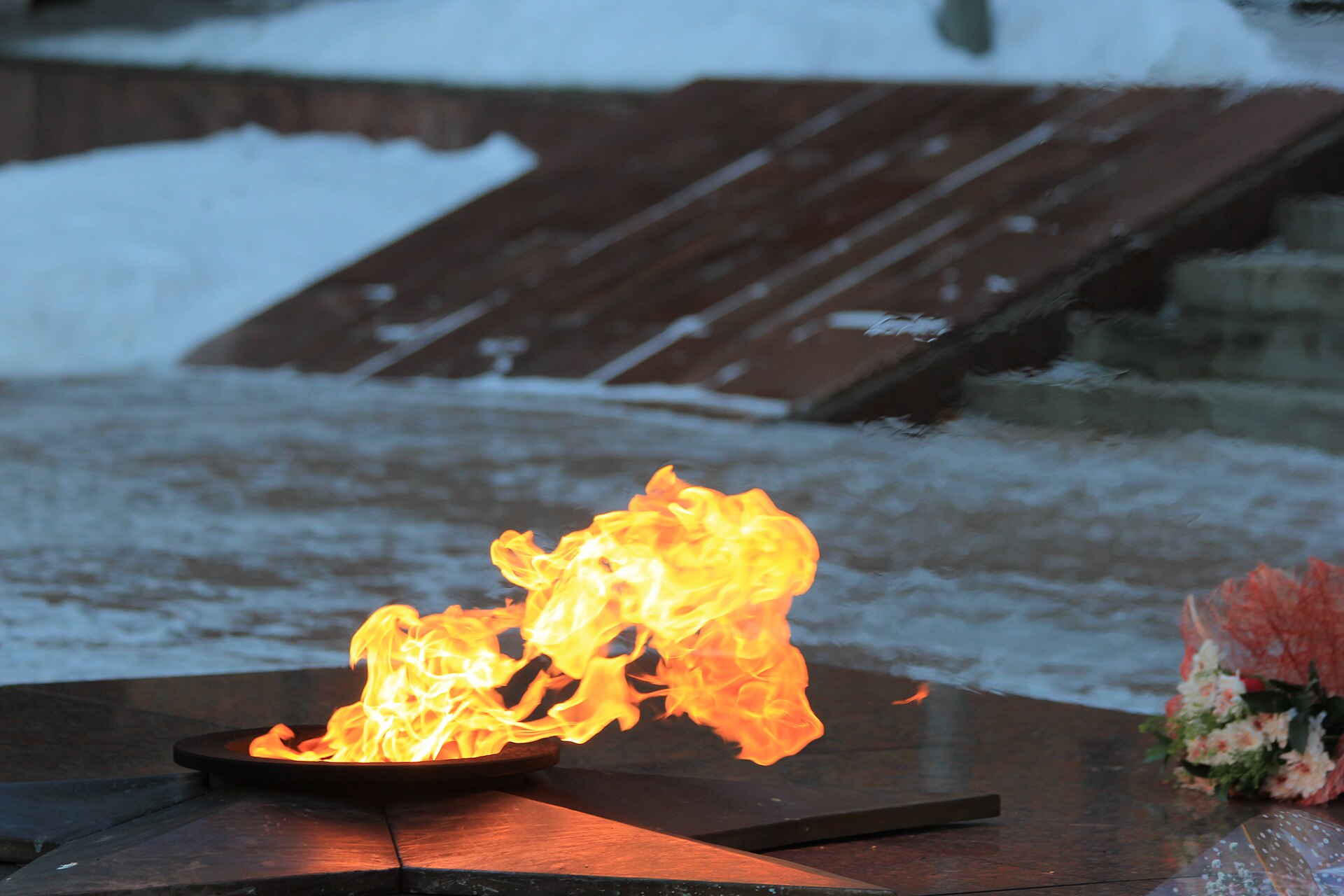
At the heart of the square stands a granite obelisk, crowned with a bronze figure of a soldier. The statue is simple, almost austere, yet it carries a quiet strength. The soldier seems to watch over the square, standing guard over the nearby mass graves where many of the fallen rest. Around the obelisk, flowerbeds bloom in summer, their bright colors contrasting with the dark stone. In winter, the square takes on a different mood—snow settles on the granite slabs and bare branches, giving the place a solemn, almost sacred feel.
The design of the memorial is understated, with no grand flourishes or ornate details. Instead, the focus is on the names carved into the walls—hundreds of them, each representing a life cut short. Every year, people come here to pay their respects, some leaving flowers, others standing in silence, tracing the letters with their fingers. For many, this is a personal pilgrimage, a way to connect with relatives, friends, or fellow villagers who never returned. The square becomes a living memorial, where the past is not just recalled but felt.
The atmosphere shifts on commemorative days, especially on May 9th, when crowds gather for ceremonies, wreaths are laid, and military songs fill the air. Veterans, though fewer each year, come to meet old comrades and share memories. Younger generations, who might otherwise see history as distant and abstract, stand among them, trying to grasp the cost of victory. On these days, the square is alive with emotion, the weight of history pressing close.
Yet even on ordinary days, the square is rarely empty. Some come seeking solitude, sitting on benches with a book or simply walking the paths, lost in thought. The place has a way of slowing time, perhaps because it serves as a constant reminder of how fragile life is. The trees lining the walkways offer shade in summer, while in autumn, their leaves crunch underfoot, adding to the sense of quiet reflection.
This is not just a place of mourning, but one that invites deeper questions about what it means to be a hero. There are no grand speeches here, no dramatic displays—just silence and the names of those who stood firm when it mattered most. Some were soldiers, others nurses, partisans, or civilians, but all shared a refusal to give in. The memorial doesn’t glorify war; it honors the quiet courage of ordinary people who did what they had to do.
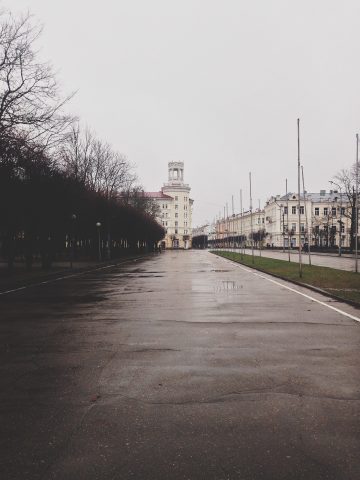
Located in the city center, the square is easy to reach and often included in walking tours. But even if you weren’t planning to visit, it’s worth a detour. There’s no tourist hustle here, no crowds jostling for photos—just a space where history feels close enough to touch. The square doesn’t tell the story of famous battles or legendary commanders; it remembers the names that might have been forgotten otherwise. That’s what makes it special.
In a city full of historical sites, the Heroes’ Memorial Square holds a unique place. It’s not about grand narratives or sweeping victories, but about the individuals who made them possible. More than a monument to the past, it’s a reminder of how that past still echoes in the present—how memory isn’t just something we read about, but something we carry with us.