Smolensk has always been a city of resistance. For centuries, it withstood invasions, its name tied to the unyielding spirit of its defenders. The museum-reserve *Smolensk — Shield of Russia* preserves the layers of this history—not as a static display, but as a story etched into the land itself.
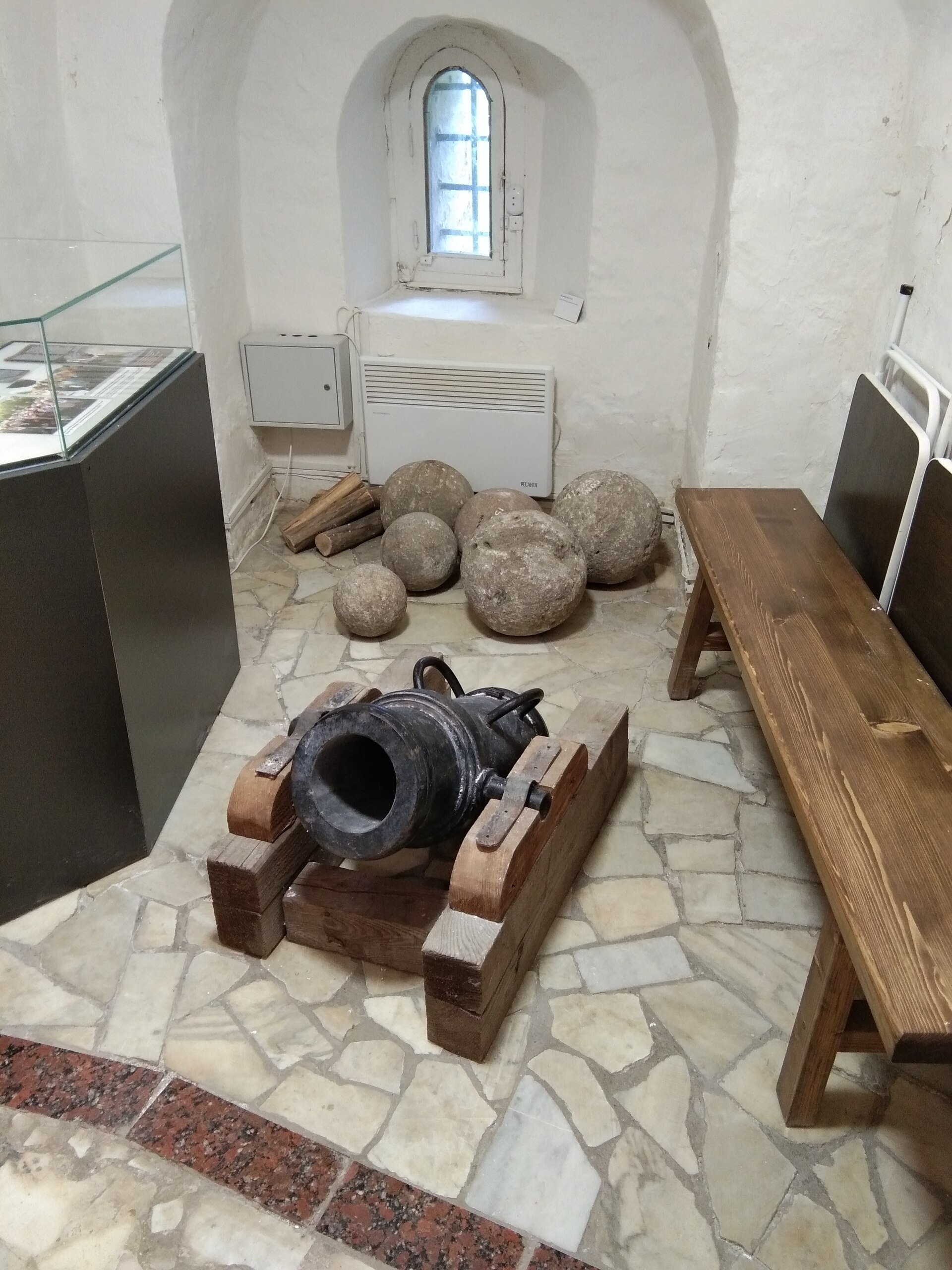
The Smolensk Fortress Wall anchors the reserve. Built in the late 16th century under Boris Godunov, it stretched nearly six and a half kilometers, designed to repel sieges. Today, its surviving towers and arches still dominate the skyline. The Veselukha Tower remains intact, while the Dnieper Gates, once the main entrance for merchants, hint at the city’s fortified past. Walking the ramparts, you hear no hooves or shouts—just the wind and the weight of centuries.
The Assumption Cathedral rises within the fortress walls. Its construction spanned centuries, merging early Russian and Baroque styles. Inside, 17th-century frescoes cover the walls, and the iconostasis gleams with gold. But the cathedral’s role goes deeper: it holds the relics of Saint Mercurius of Smolensk, the city’s patron. For generations, it was a place of refuge, its stones absorbing the prayers of those who sought shelter.
Lopatin Garden offers a different kind of refuge. Created in the 19th century on the site of old fortifications, it was named after Governor Lopatin. Some trees here are over a hundred years old. On a quiet afternoon, the garden feels suspended between past and present.
The reserve confronts the brutality of World War II. In 1941, Smolensk became one of the first major cities to face the German advance. The museum’s exhibits include soldiers’ personal belongings, wartime documents, photographs, and weapons. These artifacts don’t glorify war—they show its cost and the resilience of those who rebuilt the city afterward.
The Museum of Police History stands near the fortress. Its exhibits trace law enforcement in Smolensk from the tsarist era to today. Uniforms, weapons, and reconstructed offices reveal the daily work of investigators. It’s an unexpected but revealing part of the reserve, grounding the grand narratives in quieter, necessary stories.
History here isn’t confined to displays. The reserve hosts events that bring the past to life: lectures, guided tours, festivals. Every August, the city commemorates its 17th-century liberation from Polish-Lithuanian forces. In summer, medieval fairs and knightly tournaments fill the fortress grounds. These aren’t just performances—they’re a way for visitors and locals to step into the stories that shaped Smolensk.
What makes this place different? The past doesn’t need embellishment. The fortress stones are worn, the cathedral frescoes faded, the wartime exhibits stark. Smolensk’s defiance isn’t a legend—it’s in the streets, the buildings, the quiet dignity of its history. To walk here is to understand why this city endured.