Same Secondary School is one of those places that might seem unremarkable at first glance, but it holds a quiet significance in the life of this small Tanzanian town. Nestled in the Kilimanjaro region, where rolling savannas meet the foothills of the famous mountain, Same is far removed from the bustling tourist hubs of Arusha or Dar es Salaam. There are no luxury lodges or crowded markets here, just the steady rhythm of a community deeply rooted in agriculture and education. The school, like many across Tanzania, is more than just a place of learning—it’s a cornerstone of local life, where children gain knowledge and adults find support.
The story of Same Secondary School begins in the decades following Tanzania’s independence, a time when the government made education a priority. In the 1960s and 70s, schools sprang up even in remote villages and small towns, offering opportunities where none had existed before. Same, though modest in size, was no exception. The school became a symbol of progress, a place where the next generation could dream beyond the fields and farms that defined their parents’ lives. Over the years, the building may have been repaired or expanded, but its purpose has remained unchanged: to educate, inspire, and prepare young minds for the future.
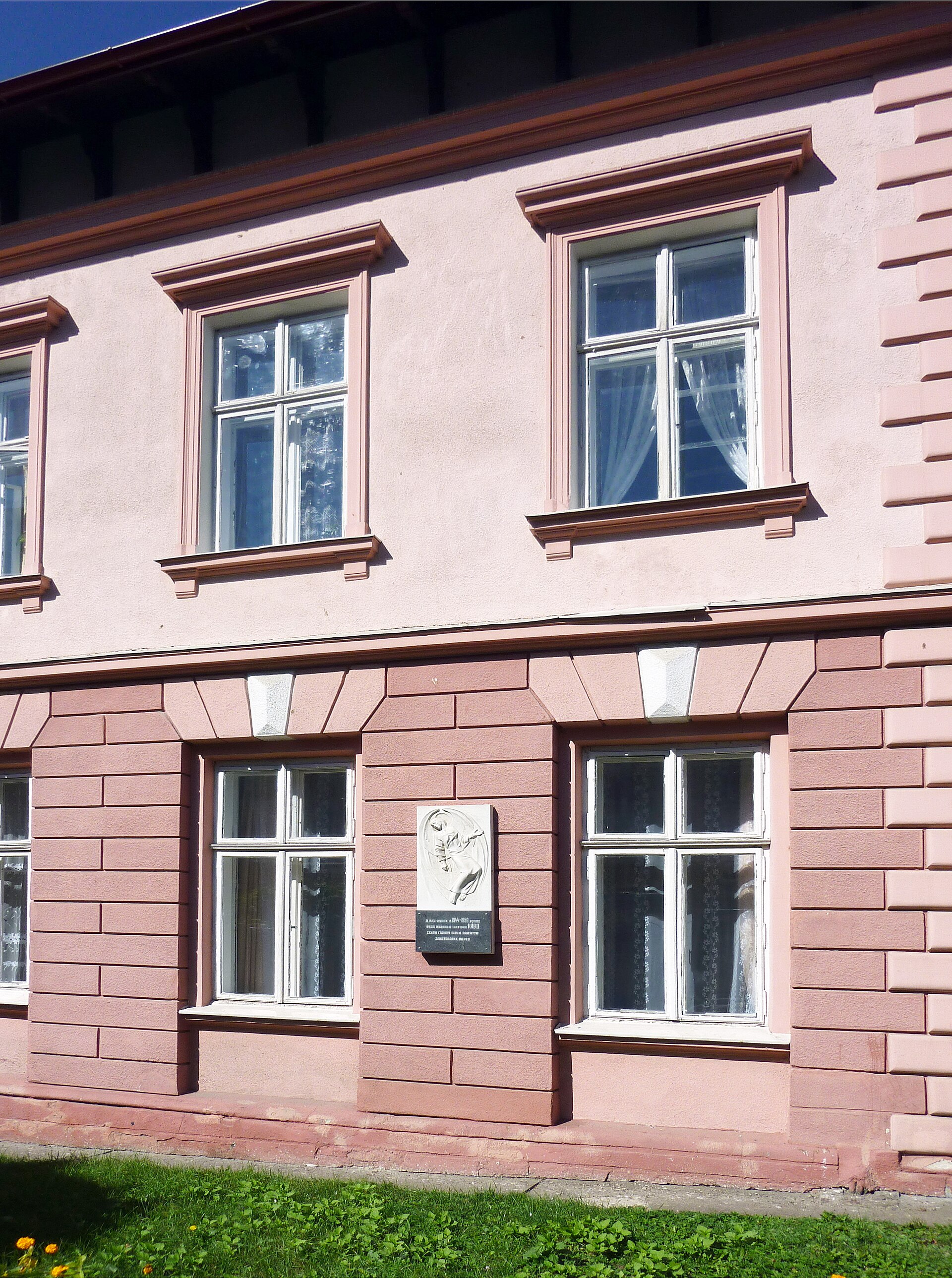
The architecture of the school reflects the practical needs of its time. Simple one- or two-story structures made of brick or concrete, with large windows to let in natural light, are typical of Tanzanian schools built in the mid-20th century. The corrugated iron roofs are designed to withstand heavy rains, especially during the monsoon season. Around the school, a small courtyard often serves as a playground, where students gather during breaks. Sometimes, trees or shrubs are planted to provide shade, adding a touch of greenery to the otherwise utilitarian space. Inside, the classrooms are sparsely furnished—wooden desks, a blackboard, and perhaps a few educational posters. It’s a far cry from the high-tech schools of wealthier nations, but that simplicity is part of what makes it feel authentic.
What truly defines Same Secondary School, though, are the people who pass through its doors each day. The teachers, many of whom grew up in the region, bring a deep understanding of the community they serve. Their students often come from farming families, and for many, school is a gateway to new possibilities—science, history, art, and the wider world beyond Same. In Tanzania, education is highly valued, and even in small towns, parents make sacrifices to send their children to school. There’s no division between rich and poor here; everyone sits at the same desks, creating a sense of shared purpose and belonging.
The daily routine at the school follows a disciplined rhythm. Classes start early, when the morning air is still cool and the sun has just begun to rise. Students arrive in their uniforms—light shirts paired with dark skirts or trousers—and spend the next several hours in lessons. After school, some stay for extra study sessions or help with chores like cleaning the grounds. A few schools in the region also run agricultural programs, where students learn to grow vegetables or care for livestock. These aren’t just academic exercises; they’re practical skills that many will rely on later in life, especially if they continue working in farming.
Beyond academics, the school serves as a gathering place for the community. Older students often mentor younger ones, and teachers become more than just instructors—they’re role models and confidants. In a small town like Same, where everyone knows each other, the school is a hub for social interaction. It hosts festivals, sports competitions, and cultural events that draw not just students but their families as well. On these occasions, the school transforms into the heart of the town, a place where people come together to celebrate, compete, or simply enjoy each other’s company.
For all its modesty, Same Secondary School plays a vital role in shaping the future of the region. Education here isn’t just about memorizing facts; it’s about opening doors. Some graduates go on to universities in larger cities or even abroad, while others return to Same to teach, start businesses, or work in healthcare. The school gives them the tools to build better lives, and in doing so, it strengthens the entire community. It’s a reminder that progress doesn’t always come from grand gestures—sometimes, it starts with a classroom and a teacher willing to guide the next generation.
Visiting Same Secondary School offers a glimpse of Tanzania beyond the postcard images. There are no tourist attractions or upscale restaurants here, just the quiet reality of a town where people value hard work, education, and mutual support. For those curious about life outside the usual travel routes, the school is a window into the everyday rhythms of a community that thrives on simplicity and resilience. It’s a place where small moments—children learning, teachers encouraging, families coming together—add up to something far greater than the sum of its parts.