Same Mosque is one of those quiet places that rarely make it into guidebooks, yet it offers a glimpse into the everyday life of a town that most travelers never see. Tucked away in the small Tanzanian town of Same, it doesn’t command attention with grand architecture or ancient history like the mosques of Zanzibar or Cairo. Instead, its unassuming presence carries a different kind of weight—one of familiarity, routine, and the quiet rhythms of a community where faith is woven into daily existence. There are no crowds of tourists here, no vendors hawking souvenirs, just locals who tend to the mosque with the care of something deeply personal, something that doesn’t need to prove itself to anyone.
Same itself is a modest town, unknown to most outside Tanzania. It sits along the route between the coast and the country’s interior, nestled in the foothills of the Usambara Mountains where the climate is gentler than the scorching plains below. There are no luxury lodges or bustling markets, just a slow, steady way of life where the mosque serves as more than a place of worship—it’s a gathering point, a social hub. On Fridays, when men come for Jumu’ah prayers, the area around it hums with quiet activity. Some arrive early to sit in the shade, exchanging news or simply resting before the call to prayer. Women, who typically pray at home, join in during festivals, their presence adding to the sense of shared celebration.
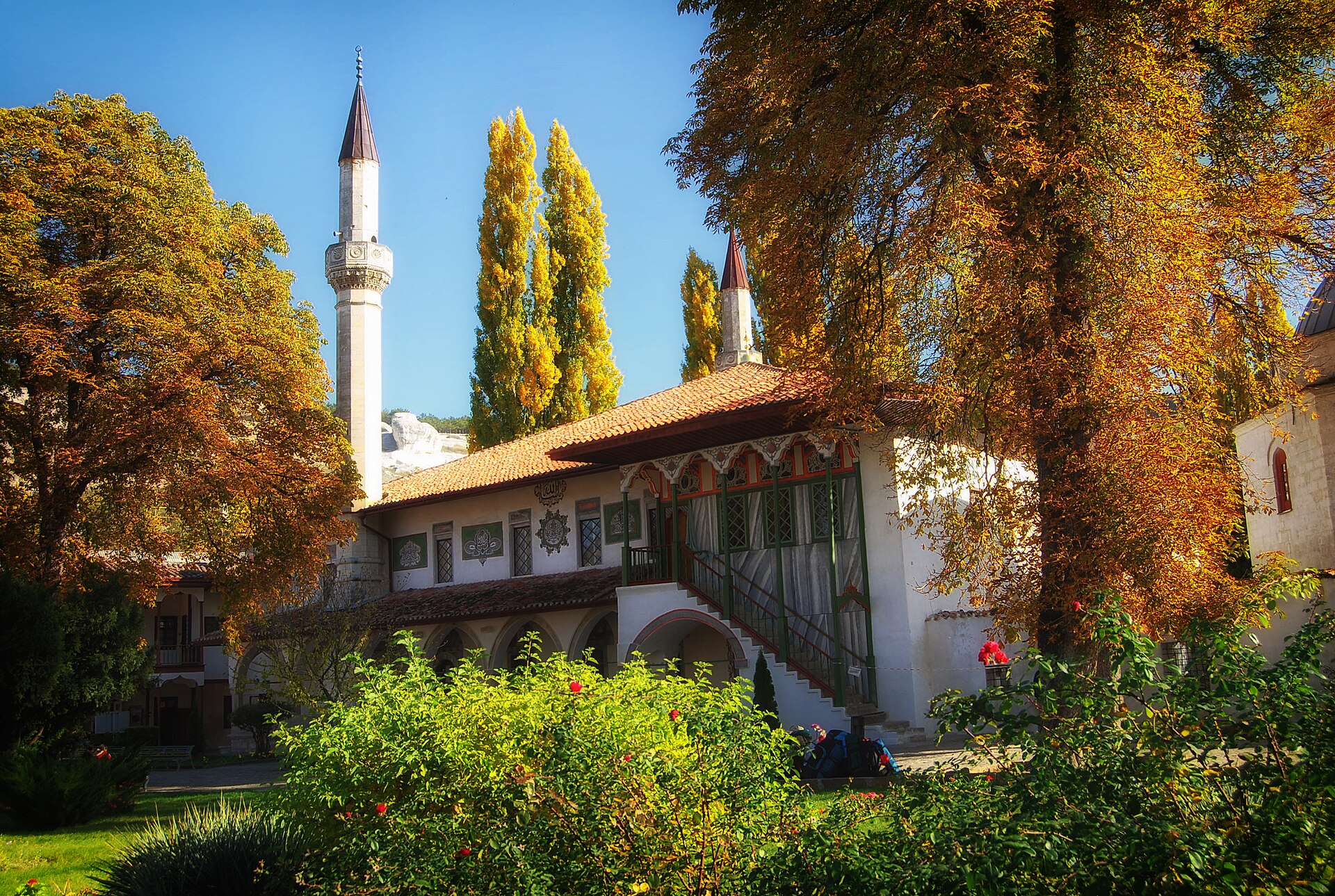
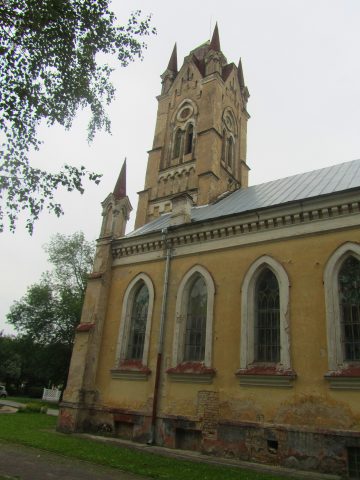
The mosque’s architecture is simple and practical, designed for function rather than spectacle. The low, flat-roofed building is painted in light colors that reflect the sun, its walls unadorned except for a few Arabic inscriptions inside. The minaret is modest, more symbolic than imposing, and the call to prayer doesn’t carry as far as it does in larger cities. Inside, the prayer hall is spacious but uncluttered, with carpets covering the floor and little else to distract from devotion. There’s a quiet dignity in its simplicity—no ornate domes or intricate tilework, just a space kept clean and orderly, where the focus remains on what truly matters.
The history of Same Mosque is intertwined with the town’s own origins. Same emerged as a trading post along the old caravan routes that connected the coast to the interior, where salt, cloth, and spices changed hands for centuries. Islam arrived with Arab and Swahili merchants who settled here, blending with local traditions over time. The mosque likely grew in stages—a makeshift shelter for prayer, then a small structure, gradually expanded as the community’s needs changed. No one knows exactly when it was first built, but it has stood here for generations, even if not in its original form. It’s a place shaped by time and use, not by grand design.
For the people of Same, the mosque is more than just a building. It’s a cornerstone of their identity, where life’s milestones—weddings, funerals, Eid celebrations—are marked with shared rituals. In a town like this, religion isn’t separate from daily life; it’s part of the fabric of everything. Children learn to recite the Quran in the attached madrasa, elders gather to discuss local news, and young people sometimes sit on the steps, watching the town go by. The mosque isn’t just a religious site; it’s a place that binds people together, offering a sense of belonging and continuity.
To an outsider, Same Mosque might seem unremarkable compared to Tanzania’s more famous landmarks. But that’s precisely what makes it worth noticing. There’s no rush here, no pressure to perform or pose for photos. You can sit on a nearby bench, listen to the call to prayer, and watch as people arrive unhurriedly, pray, and then drift back to their routines. There’s a quiet beauty in this ordinariness, a reminder that some of the most meaningful moments happen not in grand monuments, but in the spaces where life unfolds naturally.
If you find yourself in Same, the mosque is worth visiting—not as a tourist attraction, but as a way to understand the town’s rhythm. Don’t expect guided tours or explanatory signs; this is a place that exists for its own sake. Locals are likely to be welcoming, especially if you show respect for their customs. Women should dress modestly, covering their shoulders and knees, while men should avoid wearing shorts. Entry isn’t always permitted, particularly during prayer times, but even from the outside, the atmosphere is palpable.
Same isn’t a destination for those seeking spectacle. It’s a place for travelers who want to see Tanzania as it is—unfiltered, unhurried, and deeply rooted in tradition. The mosque is just one piece of that picture, but an important one. It’s a reminder that Islam in East Africa isn’t only about towering minarets and historic landmarks; it’s also about the quiet, everyday faith that shapes lives. Sometimes, the most revealing places aren’t the ones that demand attention, but the ones that simply exist, steady and unassuming, at the heart of a community.