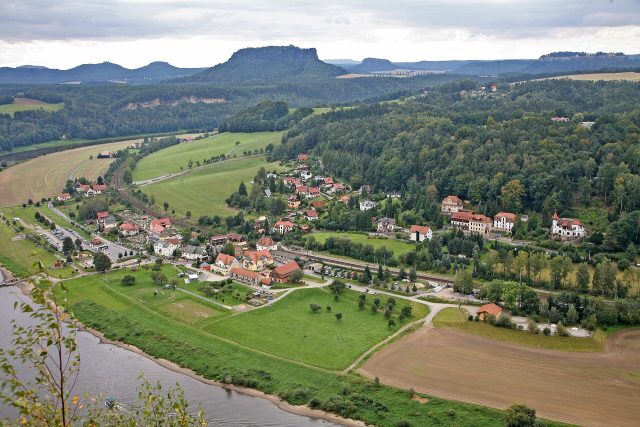
Same
Tanzania · 8 places
Photo: Nicola Avery, CC BY-SA 2.0
Same sits quietly in northern Tanzania, overlooked by most travelers. It’s not on safari maps or glossy brochures, and that’s why it’s worth stopping for. The town spreads out beneath the Pare Mountains, where forests thin into terraced fields of maize, banana groves, and coffee plants. The roads are unpaved, the buildings low with corrugated iron roofs, and life moves to the rhythm of roosters at dawn, not tour buses.
In Same, mornings smell of chapati frying at roadside stalls. The market is where you’ll find ripe mangoes, handmade clay pots, and traders who’ll show you how to brew Pare coffee—strong, spiced, and poured into small cups. The mountains around the town are home to the Pare people, who’ve lived here for generations. Some villages still have stone houses built without mortar, using only local materials. You might see a ceremonial dance or hear an elder’s stories, but culture here isn’t staged. It’s just part of life.
Same is a starting point for Tanzania’s lesser-known places.
Mkomazi National Park is nearby. Black rhinos and giraffes move through the savanna, and the only sounds are the rustle of grass or a bird’s call. The Pare Mountains have trails that pass villages, waterfalls, and forests where colobus monkeys live. Small reserves protect patches of native plants, and hot springs draw locals who come to soak. There are no lodges or guided tours—just the land as it is.
Same isn’t about luxury. There are no high-end restaurants or boutique hotels, but guesthouses where the owner might offer fresh fish and ugali. Families sometimes invite travelers to stay, serving coffee brewed over an open fire while they talk about their lives. The town doesn’t try to impress. It offers something else: a break from scripted travel.
Days here are slow. You notice the light shifting over the mountains in the afternoon, children laughing in the streets, the taste of fruit picked from a tree. It’s the kind of place that stays with you—not because it’s extraordinary, but because it’s real.
See & Do
All of them
Places on the map
Marker colour follows the categoryClimate and weather
Detailed weather: Same- Average temperature
- 23 °C
- Precipitation per year
- 521 mm
Average air temperature
°C
25
25
25
23
22
21
21
21
22
23
24
24
Jan
Feb
Mar
Apr
May
Jun
Jul
Aug
Sep
Oct
Nov
Dec