Dambulla’s Rock Temple, often called the Golden Temple, rises from the heart of Sri Lanka like a quiet guardian of centuries past. Perched above the surrounding plains, this massive granite outcrop dominates the landscape, its summit crowned with a complex of cave shrines that have drawn pilgrims and travelers for over two thousand years. Unlike the grand, polished temples of other ancient sites, Dambulla feels raw and alive, its rough stone walls and flickering oil lamps preserving the essence of devotion that has shaped this place since the days of kings and wandering monks.
The story of Dambulla begins in the first century BCE, when King Valagamba sought refuge here during a turbulent period of exile. For fifteen years, he lived in these caves, sheltered by the rock’s natural overhangs, while war raged across the island. When he finally reclaimed his throne, he transformed the caves into a temple, carving out spaces for meditation and worship as a gesture of gratitude. Over the centuries, rulers and ordinary devotees expanded the site, covering the walls with vibrant murals and filling the chambers with statues of the Buddha in various poses. The largest of these, a fifteen-meter reclining figure, seems to float in the dim light, its serene expression unchanged by the passage of time.
Reaching the caves is part of the experience. The path winds upward along the rock face, its uneven steps worn smooth by generations of bare and sandaled feet. The climb is gradual but steady, offering glimpses of the surrounding countryside—patchwork fields, clusters of coconut palms, and the distant haze of mountains. Along the way, small shrines and statues appear like silent guides, their presence a reminder that this journey is as much spiritual as it is physical. The air carries the scent of incense and damp earth, mingling with the occasional chime of a prayer bell. There’s no rush here; the ascent is a meditation in itself, each step drawing you closer to the heart of the temple.
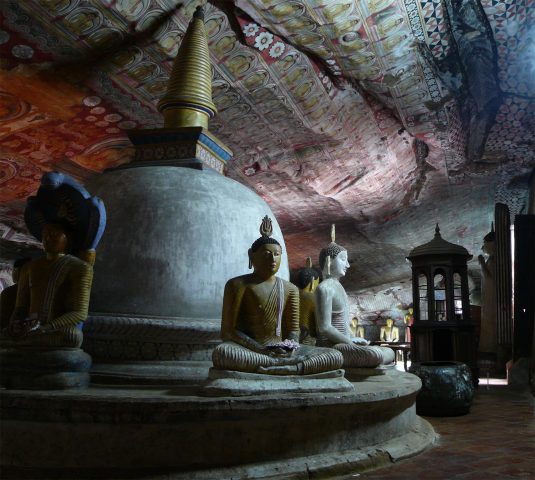
The caves themselves are a labyrinth of five main chambers, each with its own character. The first and largest is dominated by the colossal reclining Buddha, its golden form surrounded by dozens of smaller statues. The space feels intimate despite its size, the low ceiling and narrow openings creating a play of light and shadow that shifts with the time of day. The second cave is a riot of color, its walls covered in over fifteen hundred murals depicting scenes from the Buddha’s life. The pigments, still vivid after centuries, tell stories of enlightenment and compassion, their details so precise they seem freshly painted. The third cave, smaller but no less striking, houses a meditating Buddha flanked by figures of gods and demons, a nod to the blend of Buddhism and local traditions that defines Sri Lankan spirituality.
The last two caves are quieter, less visited but no less meaningful. The fourth is a modest space, its single Buddha statue draped in offerings of flowers and flickering candles. The silence here is profound, broken only by the soft murmur of prayers or the rustle of robes. The fifth cave, the smallest, feels almost hidden, its rough walls bearing the faint traces of ancient paintings. It’s easy to imagine the first monks sitting here in contemplation, their presence still lingering in the cool, still air. These caves don’t demand attention like the others, but they offer something rarer—a sense of continuity, as if the past and present exist side by side.
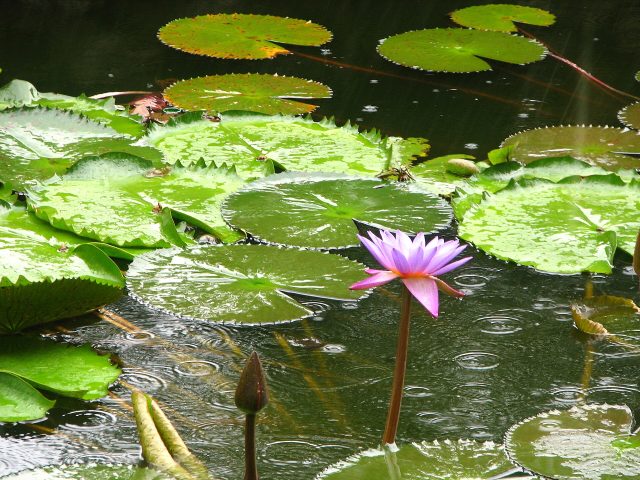
Dambulla is more than a historical site; it’s a living place of worship. On any given day, monks in saffron robes move quietly through the caves, their bare feet soundless on the stone floors. Pilgrims leave offerings of lotus flowers and coins, their murmured prayers blending with the distant call of birds. During festivals like Esala Perahera, the temple comes alive with drummers, dancers, and processions of decorated elephants, their vibrant colors contrasting with the muted tones of the rock. Even in quieter times, the temple hums with a quiet energy, a reminder that faith here is not just remembered but actively practiced.
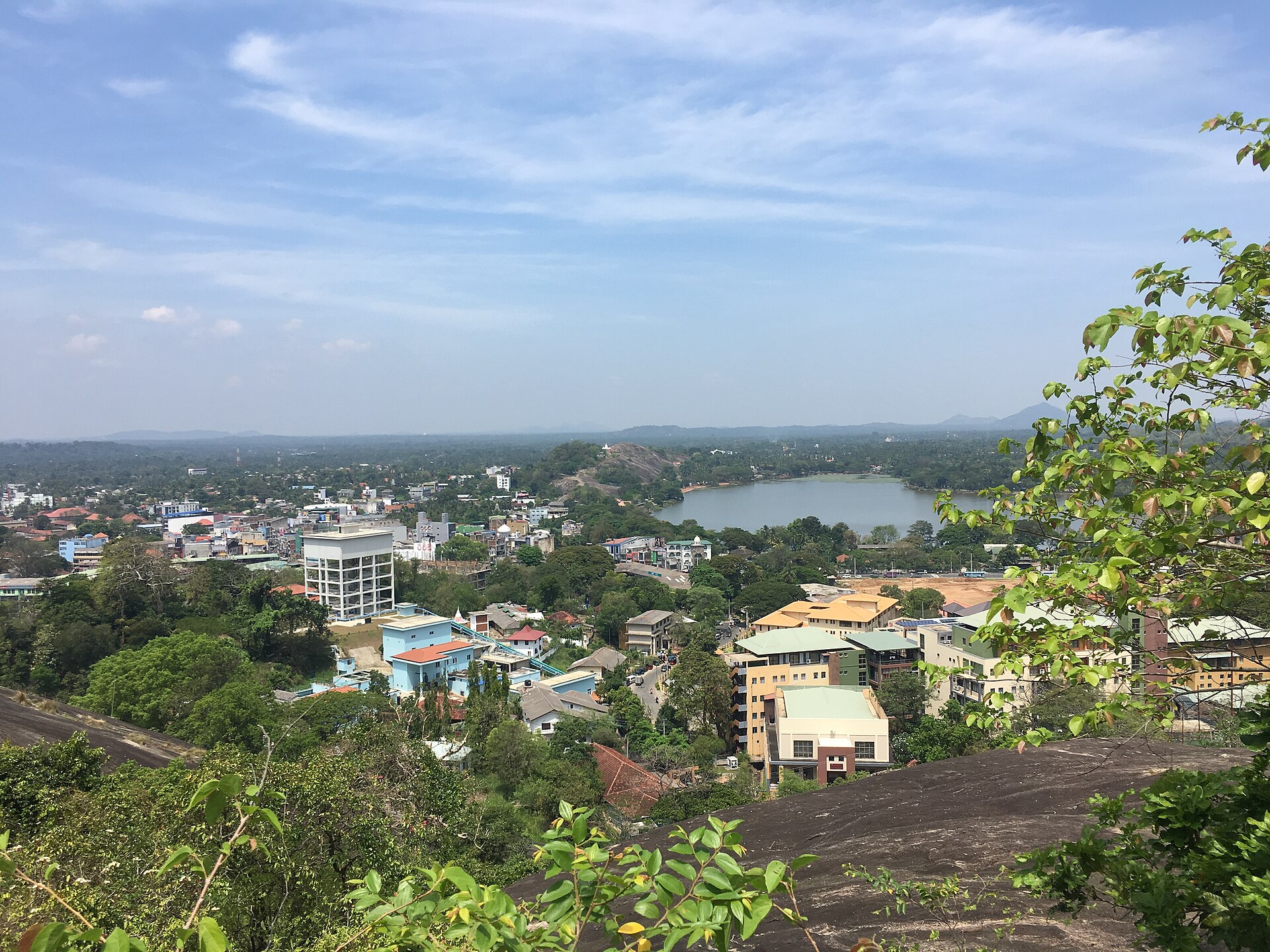
Beyond the caves, the view from the summit stretches across a landscape that has changed little over the centuries. The green expanse of the Cultural Triangle unfolds below, dotted with ancient ruins and modern villages. Nearby Sigiriya, with its dramatic fortress, draws crowds of tourists, but Dambulla remains unassuming, its appeal lying in its authenticity. There are no souvenir stalls clamoring for attention, no guided tours rushing visitors along. Instead, there’s the wind, the scent of rain on dry earth, and the occasional chatter of locals sharing tea under the shade of a tree. The descent from the caves feels different from the climb—lighter, as if something has shifted, even if only slightly.
What makes Dambulla special is its ability to make history feel immediate. The cave walls, the statues, the very rock beneath your feet—all of it carries the weight of centuries, yet it’s not a museum piece. It’s a place where the past is still alive, where the act of climbing those ancient steps connects you to the countless others who have done the same. There’s no grand revelation here, no single moment of awe. Instead, there’s a quiet understanding, a sense that some places hold more than just beauty or significance—they hold time itself.
For those who visit, Dambulla is often more than a stop on a journey. It’s a pause, a chance to step away from the noise of the modern world and into a rhythm that moves at the pace of devotion. Whether you come as a pilgrim, a traveler, or simply a curious observer, the temple leaves its mark—not in the form of photographs or souvenirs, but in the way it lingers in the mind long after you’ve descended the rock. In a world that seems to move faster every day, Dambulla remains steadfast, a reminder that some things endure.