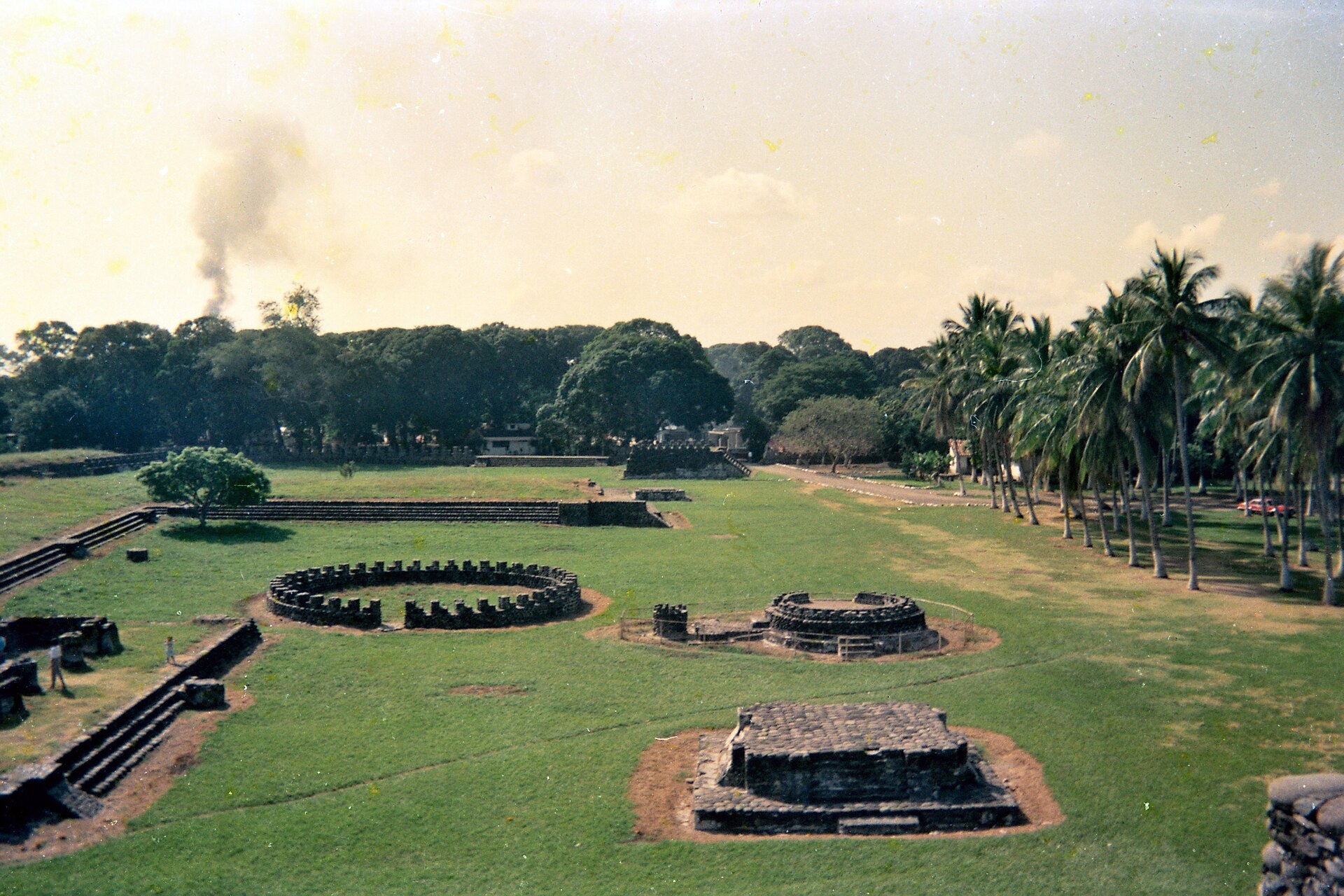
Cempoala is one of those places in Mexico where history lingers in the stones, and the jungle hums with the echoes of a civilization that thrived long before the Spanish arrived. Tucked away near the modern city of Veracruz, this archaeological site was once a major hub of the Totonac people, who played a pivotal role in the political and cultural life of pre-Columbian Mesoamerica. Today, the ruins of Cempoala stand quietly, bearing witness to a time when this was a thriving city, its influence stretching far beyond the fertile plains it called home.
The Totonacs settled here in the 13th century, and by the time the Spanish arrived, Cempoala had grown into a bustling urban center with a population of tens of thousands. Unlike many other Mesoamerican cities perched on highlands for defense, Cempoala sprawled across a flat expanse, surrounded by rich farmland that sustained its people. It wasn’t just an administrative capital; it was a sacred place where gods of rain, fertility, and the sun were worshipped with rituals that defined Totonac life. The stepped pyramids that once dominated the skyline were stages for ceremonies and offerings, their stone surfaces worn smooth by centuries of use.
The architecture of Cempoala blends elements from the Veracruz region with influences from central Mexico, reflecting its role as a cultural and trade crossroads. The most striking structure is the so-called Temple of the Thousand Columns, though the name is a bit misleading—there are far fewer columns than the title suggests. This building, likely a palace or civic hall, was where the city’s elite gathered. The columns themselves are thick and square, supporting a flat roof of wood and clay rather than the arched ceilings the Spanish later associated with Moorish design. Nearby, the remains of residential areas offer a glimpse into the daily lives of ordinary citizens, their homes clustered around the grander public spaces.
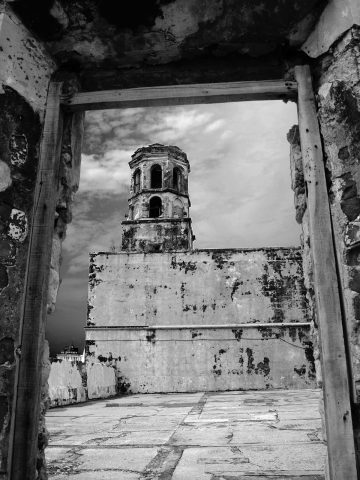
Cempoala’s place in history was cemented by its encounter with the Spanish. In 1519, Hernán Cortés arrived here and forged an alliance with the Totonacs, who saw the Europeans as potential allies against their Aztec overlords. This partnership proved decisive in the fall of Tenochtitlan, as the Totonacs provided Cortés with warriors and crucial intelligence about the region’s political landscape. It was in Cempoala that Cortés established one of his first bases in Mexico, and where he famously ordered the destruction of local temples to make way for Christian altars. Today, the site preserves both pre-Columbian structures and the remnants of early Spanish churches, a tangible record of the collision between two worlds.
Unlike the more famous ruins of Chichén Itzá or Teotihuacán, Cempoala remains relatively untouched by mass tourism. There are no crowds here, just the quiet rustle of leaves and the occasional call of a bird in the distance. The jungle slowly reclaims the ruins, vines curling around ancient stones, and the heat of the afternoon sun makes it easy to imagine the passage of time standing still. The surrounding landscape is dotted with citrus groves and vanilla plantations, their scents mingling with the earthy aroma of the tropics. Locals sometimes visit the site to honor their ancestors, adding a layer of living tradition to the ancient stones.
Visiting Cempoala is as much about experiencing the spirit of Veracruz as it is about exploring archaeology. This region of Mexico is a tapestry of cultures, where indigenous traditions, Spanish colonial influences, and Afro-Caribbean rhythms blend seamlessly. The nearby city of Veracruz is known for its vibrant Carnival, lively jazz festivals, and a cuisine that reflects this rich heritage. But for those seeking a quieter connection to the past, Cempoala offers a rare opportunity to step back in time. After wandering the ruins, you can venture into nearby villages where the descendants of the Totonacs still practice ancient crafts, their lives shaped by the same land that sustained their ancestors.
What makes Cempoala special is its authenticity. There are no flashy reconstructions or interactive displays here—just the raw, unfiltered presence of history. The stones of the pyramids still hold the imprint of the hands that placed them, and the shadows of the trees seem to whisper stories that have yet to be fully told. It’s a place that doesn’t try to impress with grandeur or spectacle but simply exists, a quiet reminder that history is made not just by empires and conquerors, but by the people who lived, worked, and dreamed on this land long before the modern world took shape.