San Juan de Ulúa is one of those rare places where Mexico’s past feels tangible, as if the weight of centuries lingers in the very stones beneath your feet. Perched on a small island just off the coast of Veracruz, the fortress has stood through conquest, piracy, and shifting empires, its weathered walls bearing silent witness to the struggles that shaped a nation. Today, it’s not just an open-air museum but a living monument—one that carries the echoes of colonial ambition, naval battles, and the relentless flow of trade that once defined the Gulf of Mexico.
Construction began in the mid-16th century, shortly after the Spanish conquest, when Veracruz emerged as the most vital port in New Spain. The fortress was initially a modest stronghold, built to safeguard the harbor where galleons laden with silver, gold, and goods from the Americas set sail for Europe. Over time, it expanded into a formidable military complex, its defenses tested by pirate raids, foreign fleets, and the constant threat of attack. The walls that once repelled invaders now stand as a testament to the strategic importance of this stretch of coastline, where control over trade meant control over an empire.
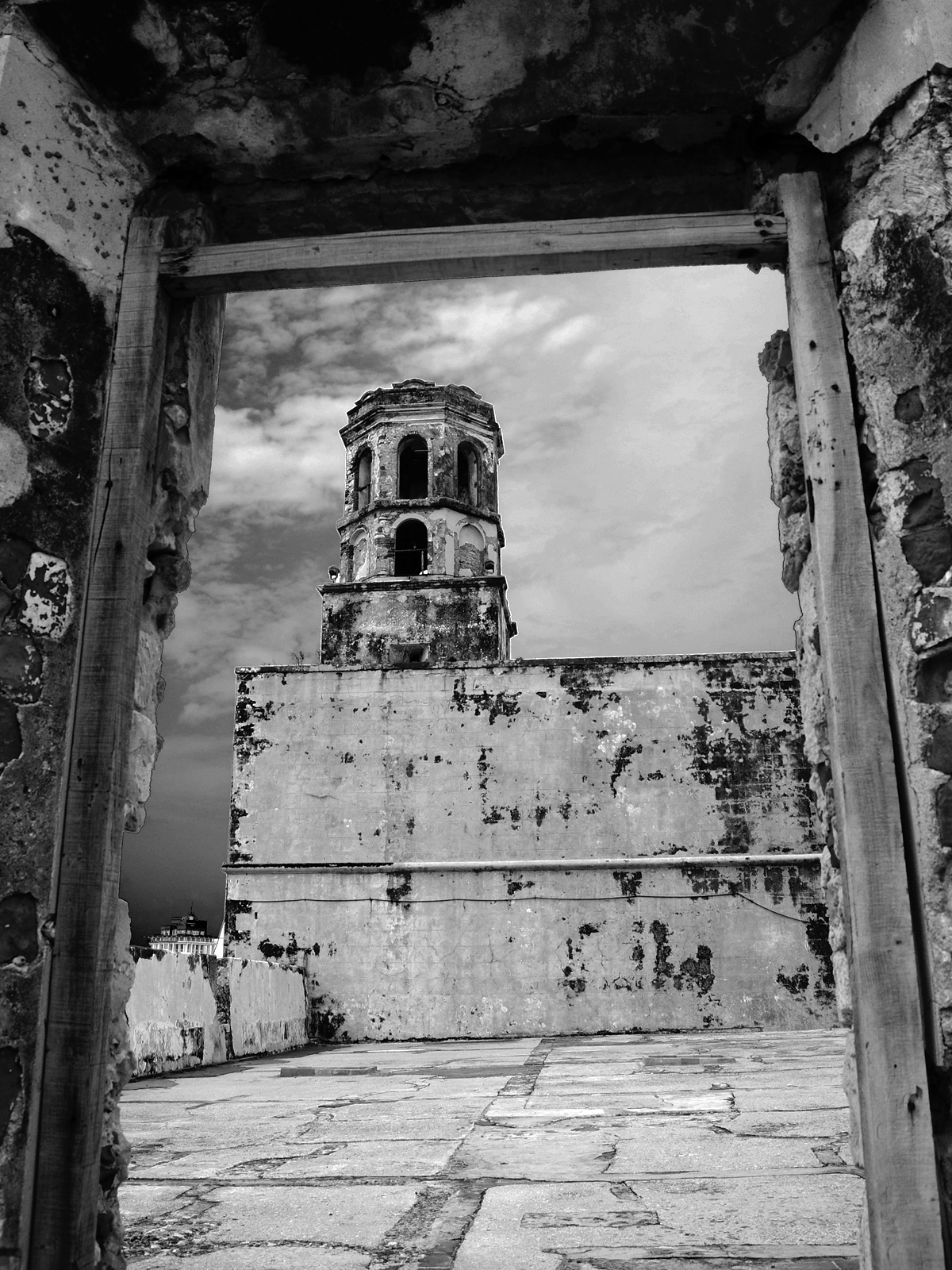
The architecture of San Juan de Ulúa blends brutal functionality with a stark, enduring beauty. Thick stone ramparts, angular bastions, and deep moats were designed to withstand sieges, though today they evoke a sense of faded grandeur rather than imminent danger. Inside, the fortress retains its original layout—dark casemates where soldiers once stood guard, a small chapel, and storerooms that once held supplies for long sieges. The most striking feature is the network of underground tunnels and cisterns, an engineering marvel that allowed the garrison to endure prolonged blockades by storing fresh water. Walking through these dim passages, it’s easy to imagine the isolation of life here, cut off from the mainland yet always on alert.
Beyond its military role, the fortress also served as a prison, housing political dissidents and revolutionaries who challenged Spanish rule. Some of Mexico’s early independence fighters were held within these walls, their stories woven into the fortress’s history. While exhibits in the casemates now document this darker chapter, the atmosphere remains more solemn than oppressive. The fortress doesn’t romanticize its past; it simply presents it, allowing visitors to draw their own conclusions about the lives spent within its confines.
San Juan de Ulúa was more than just a defensive outpost—it was the linchpin of Veracruz’s survival. Founded in 1519 by Hernán Cortés, the city was Spain’s first permanent settlement on the Mexican mainland, and the fortress became its shield. For centuries, Veracruz was the gateway to Mexico, the port where settlers, goods, and ideas arrived from across the Atlantic. The fortress ensured that this flow remained uninterrupted, even as rival powers circled like sharks. Long after Mexico gained independence, it remained a strategic military site, though its importance gradually waned as modern warfare rendered its defenses obsolete.
Today, the fortress is one of Veracruz’s most compelling attractions, drawing visitors not just for its history but for the sweeping views of the Gulf. From its ramparts, you can watch ships glide across the water, their paths tracing the same routes once taken by Spanish treasure fleets. On clear days, the outlines of nearby islands and distant mountains emerge from the haze, while at sunset, the fortress is bathed in golden light, its silhouette sharp against the darkening sky. The sea breeze carries the scent of salt and history, a reminder of how this place once connected two worlds.
A visit to San Juan de Ulúa is less about ticking off a tourist site and more about stepping into a different era. There’s no rush here, no crowds jostling for the best photo—just the quiet rhythm of waves against stone and the occasional cry of seabirds overhead. You can wander through the courtyards, peer into the old barracks, or simply sit and listen to the wind, imagining the clatter of hooves, the shouts of soldiers, and the creak of ships in the harbor. The fortress doesn’t need grand gestures to impress; its power lies in its authenticity, in the way it has preserved the essence of its past with minimal alteration.
Veracruz itself is a city of contrasts—vibrant, chaotic, and steeped in culture—and San Juan de Ulúa is an integral part of its identity. It serves as a reminder that Mexico’s history isn’t just written in the ruins of ancient civilizations or the facades of colonial churches. Some of the most pivotal moments unfolded in places like this, where the fate of a continent was decided by cannons, treaties, and the relentless tides of commerce. The fortress stands at the crossroads of those eras, and for a brief moment, anyone who walks its grounds becomes part of that story.