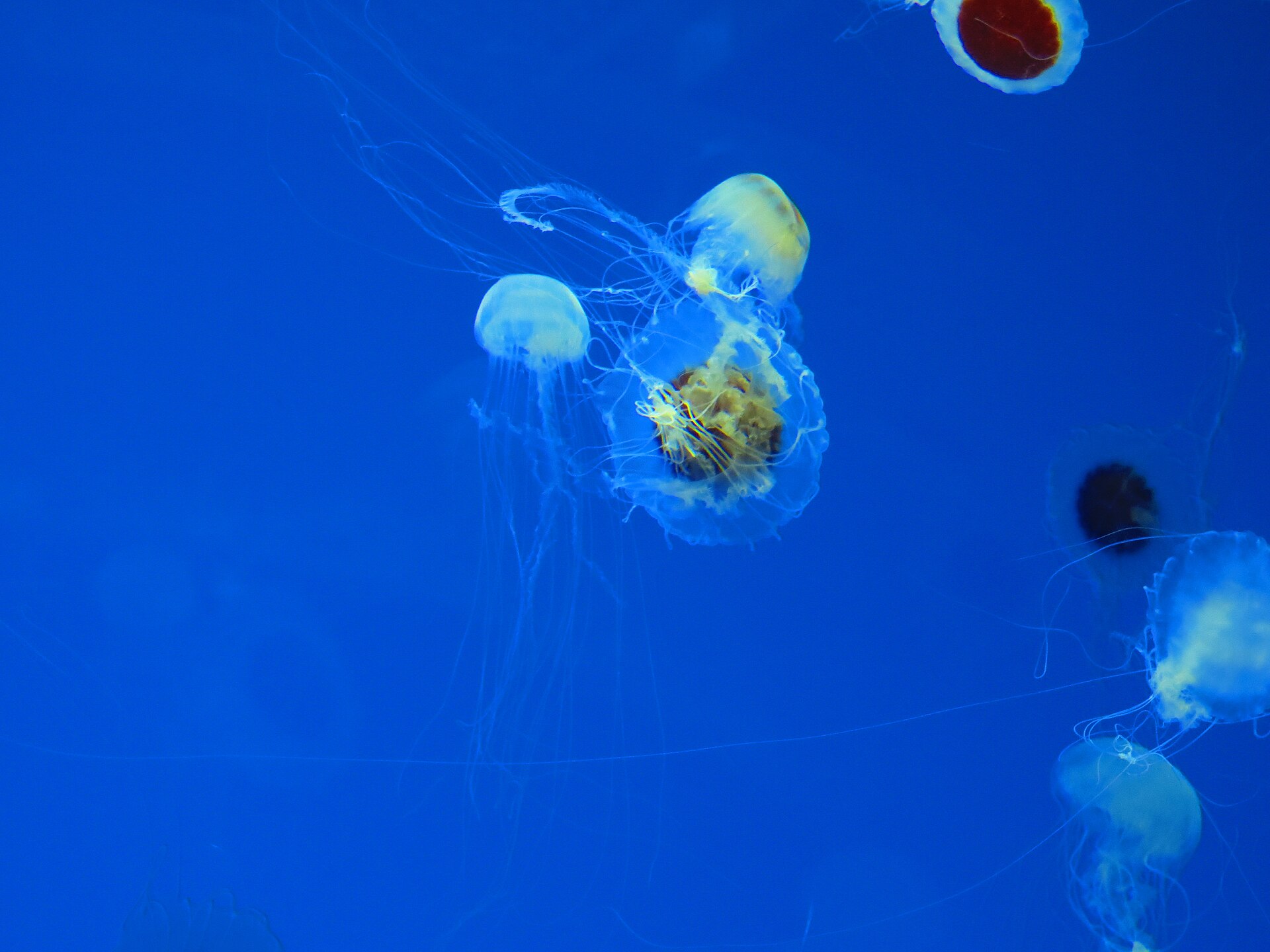
Veracruz Aquarium sits where the city and the sea have always been inseparable—not just along the shoreline, but woven into the rhythm of daily life. Perched on the waterfront, it feels like an extension of the coast itself, where the Gulf’s waves are replaced by vast glass tanks holding the vibrant life of the Mexican Caribbean. For Veracruz, a city shaped by maritime history, the aquarium isn’t just an attraction; it’s a bridge between people and the underwater world that has always been part of its identity.
Opened in the late 1980s, the aquarium quickly became one of the city’s defining landmarks. Its arrival coincided with Veracruz’s push to develop its tourism infrastructure, but the aquarium offered more than just entertainment. It became an educational hub, introducing visitors to the region’s marine biodiversity—from dazzling tropical fish to sharks, rays, sea turtles, and even manatees, creatures that still glide through Mexico’s coastal waters. The centerpiece is a massive coral reef exhibit, a carefully recreated ecosystem that mirrors the underwater landscapes of the Caribbean.
The building’s architecture is unassuming, blending seamlessly with the seaside surroundings. Its low, flowing lines echo the curve of waves, while large windows flood the interior with natural light, creating an airy, open atmosphere. Inside, the exhibits are arranged to guide visitors on a journey from shallow waters to the ocean’s depths. Each section focuses on a different ecosystem, so walking through feels like moving from mangrove swamps to the open sea, with every turn revealing another layer of marine life.
One of the most captivating stops is the manatee pool. These gentle giants, once hunted nearly to extinction, are now protected and have become symbols of conservation efforts. Watching them glide through the water—sometimes surfacing for air—is mesmerizing. Time seems to slow as they move with deliberate grace, drawing crowds of children and adults alike. There’s something inherently calming about them, a quiet reminder of the ocean’s fragility.
The shark exhibit is equally compelling, though it takes a different approach. There’s no sensationalism here, just a large tank where several shark species swim alongside other fish. For many visitors, it’s their first real encounter with these predators, and it often reshapes their perceptions. The sharks don’t appear threatening; instead, they’re part of a complex, delicate ecosystem that the aquarium works to portray in all its nuance.
Beyond being a place to observe marine life, the Veracruz Aquarium is also a research and conservation center. Scientists here study local species, rehabilitate injured animals, and run educational programs for students of all ages. Lectures, guided tours, and workshops help visitors understand the ocean’s vital role in the planet’s health and the threats it faces. In this way, the aquarium serves a deeper purpose—it doesn’t just showcase the beauty of the underwater world but explains why it must be protected.
A visit typically lasts a couple of hours, though time slips by unnoticed if you linger by a tank, watching fish dart through coral or lazily drift in the current. Some exhibits even allow visitors to feed the fish, a hit with younger guests. Near the exit, a small gift shop offers souvenirs—postcards, plush toys, or trinkets—so you can take a piece of the experience home.
More than just a tourist stop, the aquarium offers a quiet escape from the city’s hustle. There’s no sound of crashing waves, but the sense of the sea is ever-present, a reminder that for Veracruz, the ocean isn’t just a backdrop—it’s part of the city’s soul. A trip here isn’t just about seeing marine life; it’s about seeing it through the eyes of those who study and safeguard it. And perhaps, after leaving, the sea won’t feel quite so ordinary anymore.