The bridge over the Irtysh in Semey is one of those places that doesn’t immediately catch your eye, yet it quietly becomes part of the city’s identity. It’s more than just a way to cross the river—it’s a link between the past, the everyday, and the future of this Kazakhstani town. Built in the mid-20th century, when Semey was growing as an industrial and transport hub, the bridge answered a practical need. The Irtysh wasn’t just a natural waterway; it was a barrier that divided the city, and a reliable crossing became essential for connecting its two halves.
The design is classic Soviet engineering—solid, functional, and unadorned. Long spans rest on sturdy piers anchored deep into the riverbed, while the metal trusses that support the structure give it a sense of both strength and lightness, as if the river itself is holding it up. At the time, it was one of the largest bridges in the region, and its construction made life easier for locals. Before it existed, crossing the Irtysh depended on ferries and seasonal routes, and in winter, when the ice was unreliable, the river became an impassable divide.
Today, the bridge is a vital part of Semey’s infrastructure. Hundreds of cars, buses, and trucks cross it daily, while the pedestrian walkways on either side offer a slower way to traverse the river, with time to watch the water flow beneath. Mornings are especially busy—workers heading to factories, students on their way to school, and residents running errands or taking a stroll. In the evenings, the bridge is lit up, its reflections shimmering on the dark water, giving the scene a quiet, almost festive feel.
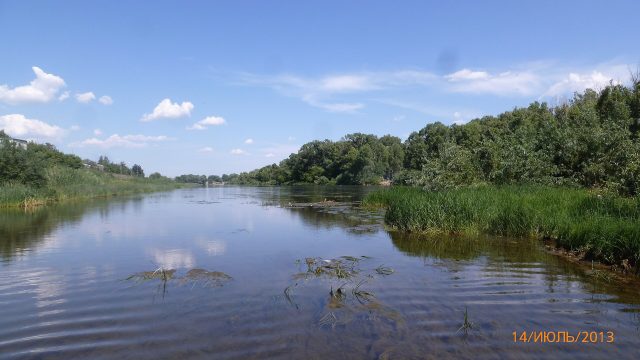
The Irtysh beneath the bridge has its own rhythm. Wide and slow-moving, the river changes with the seasons. In spring, during the thaw, the water rises, and the bridge seems to hover above the churning current. Summer brings calmer waters, and from the bridge, you can see fishermen casting their lines from the shore or small boats. Autumn transforms the riverbanks into a blaze of yellow and red, their reflections dancing on the surface, while morning mists wrap the bridge in a ghostly haze. Winter freezes the river solid, and though locals know to tread carefully, the ice becomes a temporary path across.
For the people of Semey, this bridge is more than just a structure—it’s woven into their lives. Some remember crossing it as children, walking home from school or visiting relatives on the other side. Others recall meeting here in their youth, watching the sunset over the water. There are those who helped build it or now maintain it, and stories circulate about how it has withstood the harshest weather—strong winds, ice drifts—remaining steadfast through it all.
Architecturally, the bridge isn’t a masterpiece, but there’s a quiet beauty in its simplicity. It doesn’t try to be anything more than what it is: a dependable crossing that has served the city for decades. In that way, it mirrors Semey itself—a place that doesn’t seek fame but stands firmly rooted in its history and traditions. The bridge seems to say that what matters isn’t grandeur, but how useful you are to those who rely on you.
In recent years, the area around the bridge has become greener. Trees line the embankments, and paths and benches have been added, turning the crossing into a place where people can pause, rest, and take in the view. In summer, the riverbanks are lively with picnickers and kite-flyers, while winter empties the promenades, revealing vast, snow-covered expanses of the Irtysh, especially striking on clear, frosty days.
The bridge over the Irtysh is where different eras and lives intersect. It has watched the city change, seen generations come and go. For some, it’s a symbol of progress; for others, a familiar landmark; for many, just part of the journey home. It doesn’t demand attention, yet it’s always there when needed. And perhaps that’s its real value—not in being noticed, but in being reliable.