Sagarejo is one of those quiet Georgian towns where time moves at its own unhurried pace. Tucked away in the heart of Kakheti, it’s known for its vineyards and sleepy streets lined with low-slung houses topped with terracotta roofs. There are no tourist crowds here, no grand attractions competing for attention—just the quiet rhythm of everyday life. And yet, in the middle of it all, the Sagarejo Historical Museum offers something rare: a chance to step into the past without fanfare, as if visiting an old friend who’s happy to show you their most treasured possessions.
The museum occupies a building that dates back to the early 20th century, once the home of a local merchant. Its architecture is classic Kakhetian—thick brick and stone walls, high ceilings, and spacious rooms that hint at a time when Sagarejo was a bustling stop on the trade route between Tbilisi and Telavi. Inside, the house still feels alive with history. Original wooden beams stretch across the ceilings, heavy doors creak on wrought-iron hinges, and in some corners, faded wall paintings peek through layers of time. Walking through the rooms, it’s easy to imagine merchants gathering here, sharing wine and stories, their voices echoing in the quiet.
The museum’s collection traces the history of Sagarejo and its surroundings, from ancient times to the present day. Archaeological finds—pottery, tools, and jewelry unearthed in local digs—fill the display cases, each piece a fragment of a much larger story. But the real heart of the museum lies in its connection to Kakheti’s winemaking traditions. Here, you’ll find *kvevri*, the large clay vessels used for fermenting wine, some of them centuries old. They’re a reminder that the methods used today are the same ones passed down through generations, a living link between past and present.
One room is dedicated to life in the 19th and 20th centuries, where photographs, documents, and everyday objects paint a vivid picture of the town’s recent history. There are hand-stitched tablecloths, wooden chests where families stored dowries, and even school notebooks from the early 1900s, their pages filled with neat, careful script. The photographs are especially striking—black-and-white images of local residents, their homes, festivals, and daily routines. They don’t just show what life looked like; they make you feel it, as if you could reach out and touch the past.
Beyond Sagarejo’s story, the museum also offers a glimpse into the broader culture of Kakheti and Georgia. Exhibits on traditional crafts—weaving, woodwork, metalwork—show how deeply intertwined daily life and artistry have always been. The ethnographic displays, in particular, highlight the skill of local artisans, from intricate embroidery to handwoven carpets. These aren’t just relics; they’re evidence of a way of life where beauty and function were never separate.
What makes the Sagarejo Historical Museum special isn’t its size or grandeur, but its intimacy. There are no ropes or "do not touch" signs here. Visitors are free to lean in, examine details, and even handle some of the objects. It’s an approach that makes history feel personal, as if the museum is inviting you not just to observe, but to engage. The staff, too, add to this sense of connection. They’re not just caretakers of the collection; they’re storytellers, often sharing anecdotes that don’t make it into guidebooks. If you’re lucky, you might hear how a particular artifact was discovered or why a local family donated a piece that had been in their home for generations.
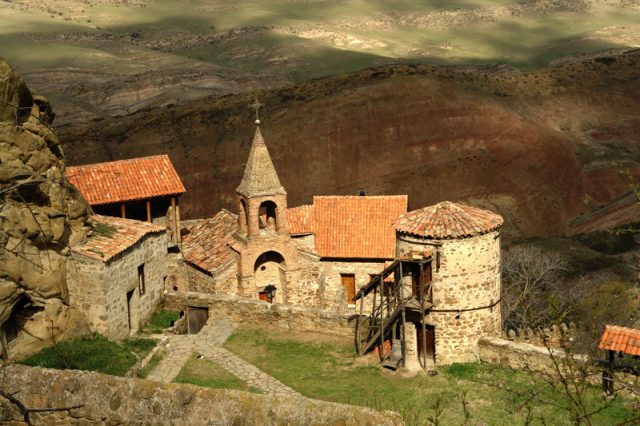
A visit to the museum pairs naturally with a walk through Sagarejo itself. The town is small enough to explore on foot in an afternoon. The central market is a good place to start, where vendors sell fresh fruit, cheese, and bottles of homemade wine. Nearby, the main street is lined with houses featuring carved wooden balconies, their details worn smooth by time. Beyond the town, the surrounding countryside offers even more to discover—vineyards stretching across rolling hills, ancient churches, and monasteries tucked into quiet valleys. From the right vantage point, the view over Kakheti is breathtaking, a patchwork of green and gold under the wide Georgian sky.
The museum doesn’t operate like a big-city institution, and that’s part of its charm. There are no crowds, no rigid schedules, just a quiet space where history feels within reach. The hours might be flexible, the exhibits modest, but that only adds to the sense of discovery. It’s the kind of place where you might linger longer than planned, drawn in by a story or a detail you hadn’t noticed at first glance.
In the end, the Sagarejo Historical Museum isn’t about spectacle. It’s about something quieter, more enduring—the way a small town preserves its past not through grand gestures, but through the everyday things that mattered to the people who lived there. A visit here isn’t just about seeing; it’s about feeling the weight of history in your hands, about understanding that even the smallest places hold entire worlds within them. And that, perhaps, is the most remarkable thing of all.