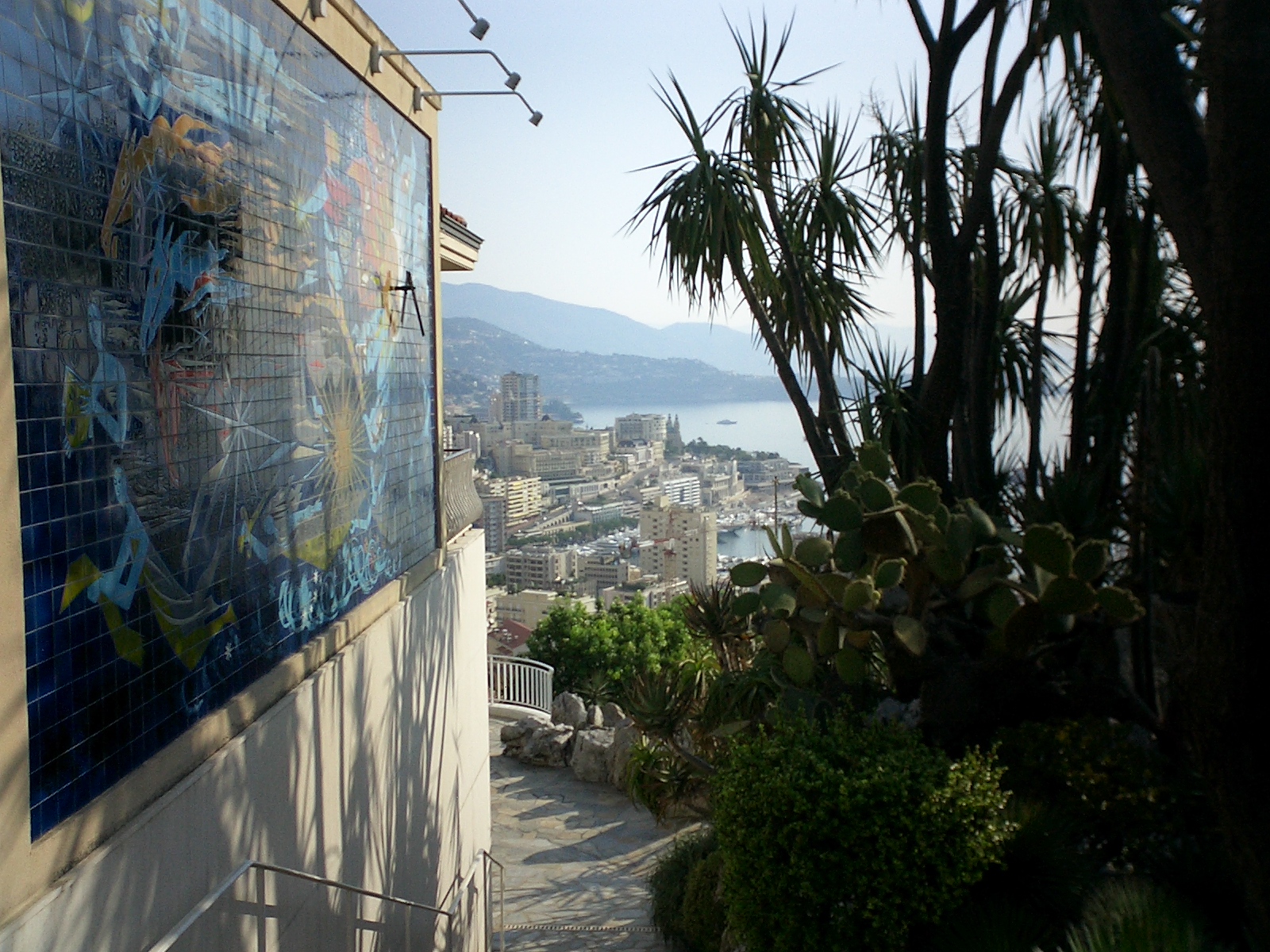
Nestled in the quiet folds of Monaco’s Jardin Exotique district, the Jardin Sainte-Dévote feels like a world apart from the principality’s usual glamour. It’s not the kind of place you visit for grand views or exotic blooms—those are just a short walk away in the neighboring gardens. Instead, this small, unassuming space offers something far rarer in Monaco: stillness. The moment you step inside, the hum of the city fades, replaced by the soft rustle of olive leaves and the occasional chirp of a bird. There’s no fanfare here, no crowds, just a quiet invitation to slow down and breathe.
The garden is named for Sainte Dévote, Monaco’s patron saint, and its history is woven into the very fabric of the principality. According to legend, her remains arrived here in the 3rd century, carried ashore in a small boat after her martyrdom. The story goes that she became a protector of Monaco, shielding it from plagues and misfortune, and her legacy endures in the devotion of locals and visitors alike. A modest statue of the Virgin Mary stands near the entrance, a focal point for those who come to pray, reflect, or simply pay their respects. It’s not uncommon to see people lighting candles or leaving small offerings—a quiet testament to the garden’s enduring spiritual pull.
The architecture of the garden is simple, almost understated, but that’s part of its charm. A narrow stone path leads to a small chapel, its whitewashed walls and terracotta roof blending seamlessly with the Mediterranean landscape. The chapel’s design is classic for the region, with wrought-iron grilles on the windows and a heavy wooden door that creaks softly when opened. Inside, the air is cool and dim, the only light coming from the flickering candles left by visitors. The walls are adorned with faded frescoes and icons depicting scenes from Sainte Dévote’s life, their details worn by time but still evocative. There’s no grand altar or ornate decorations, just a sense of quiet reverence that feels timeless.
Surrounding the chapel, the garden itself is a study in restraint. There are no manicured flowerbeds or rare botanical specimens, just a handful of ancient olive and cypress trees casting dappled shade over the winding paths. The greenery is lush but unpretentious, providing just enough cover to make the space feel secluded. Benches are scattered along the paths, offering a place to sit and listen to the wind in the leaves or the distant chime of a church bell. It’s the kind of place where time seems to stretch, where even the most hurried visitor might find themselves lingering longer than planned.
For centuries, this spot has been a place of quiet significance. In the Middle Ages, a monastery once stood here, though no trace of it remains today. What does endure is the sense of continuity—the feeling that this small garden has always been a refuge, a place where the past and present coexist without fanfare. Every January, on the feast day of Sainte Dévote, the garden comes alive with locals and pilgrims who gather to lay flowers and light candles. The ceremony is small, intimate, and deeply personal, a far cry from the grand events that usually define Monaco.
What makes the Jardin Sainte-Dévote special is its lack of pretense. There are no grand monuments or sweeping vistas, just a quiet corner where history and faith intersect. It’s not the kind of place that demands attention, but rather one that rewards those who seek it out. In a country known for its opulence, the garden offers a different kind of richness—one rooted in simplicity and tradition. It’s a reminder that even in the most extravagant places, there’s room for stillness.
Visiting the garden is less about ticking off a tourist attraction and more about discovering a side of Monaco that most people overlook. You might spend half an hour here, or you might lose track of time altogether, watching the way the sunlight filters through the trees or how the shadows play across the chapel walls. If you’re lucky, you’ll have the place to yourself, and the silence will feel even more profound. There’s no admission fee, and the garden is open year-round, though it’s best to visit in the early morning or late afternoon when the light is soft and the air is cool.
The Jardin Sainte-Dévote isn’t marked on most tourist maps, and that’s part of its appeal. It’s the kind of place you stumble upon by accident or seek out intentionally, drawn by word of mouth or a quiet curiosity. In a city where everything seems designed to dazzle, this small garden offers something far more precious: a moment of quiet, a connection to history, and the chance to see Monaco not as a playground for the rich, but as a place with a soul.