Harbourside Market: where Wellington’s waterfront breathes
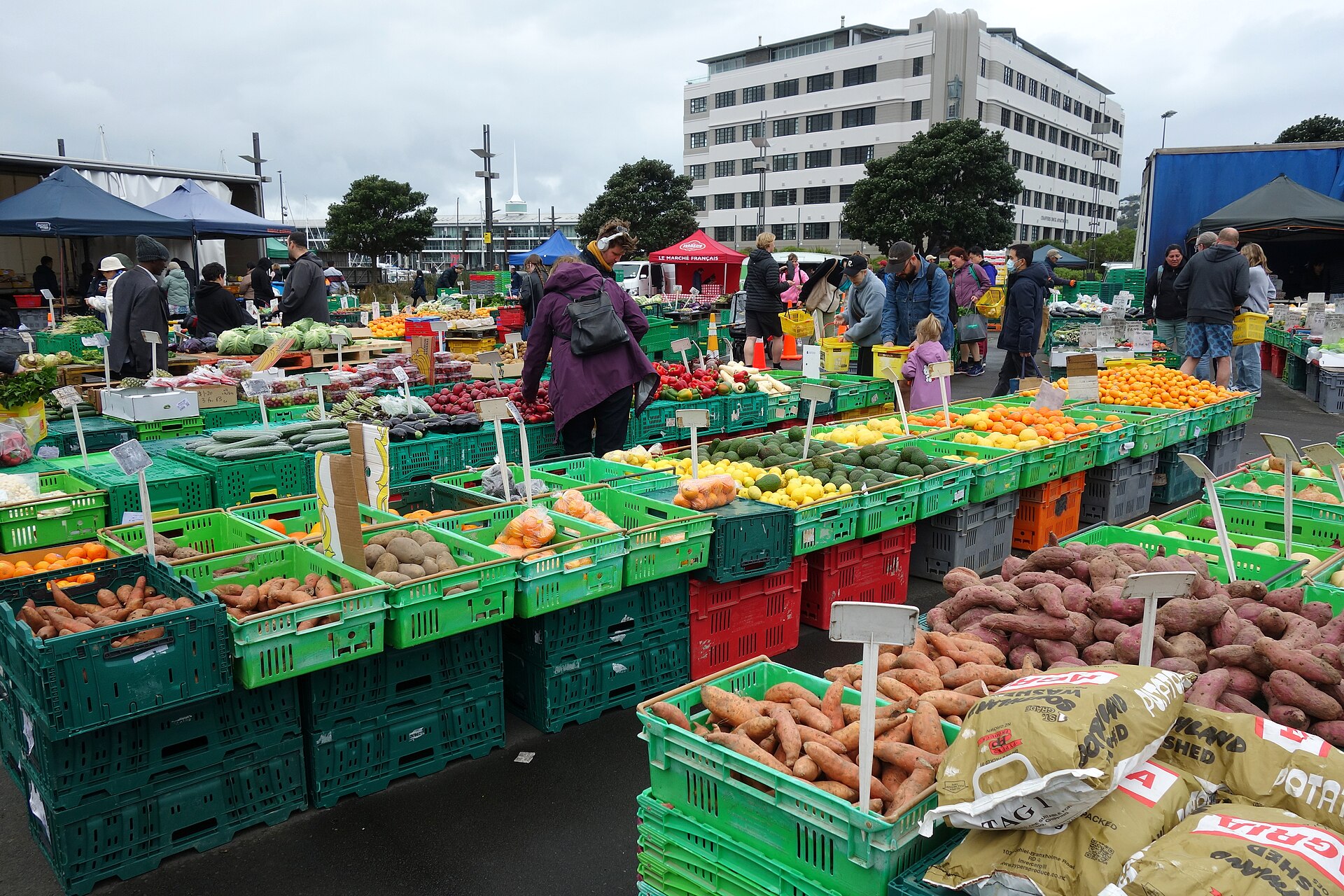
Walk along Wellington’s waterfront and the harbour pulls you in. Not with fanfare, but with the quiet pulse of the city’s daily life. That pulse beats strongest at Harbourside Market. Sandwiched between the business district and the wharf, the market blends the salt of the sea with the smell of fresh coffee, warm bread and the day’s catch. No tourist gloss here—just the murmur of voices, the thud of crates hitting the ground, and the occasional laugh when a vendor spots a familiar face. It’s the kind of place that doesn’t perform; it simply is, as much a part of the city as the wind that sweeps across the bay.
The market began in the 1850s, when this stretch of waterfront was the city’s trading heart. Ships from Europe, Australia and the Pacific docked here, unloading goods that fed the growing town. Fishermen sold their catch straight off the wharf, farmers brought in produce, and sailors traded stories with their wares. What started as an informal trading post grew into a proper market, shifting with the decades but never losing its tie to the water. Even now, the market feels less like a modern retail space and more like a living extension of the harbour.
The buildings tell their own story. Low brick structures with large windows and corrugated iron roofs whisper of the area’s industrial past, when warehouses and workshops lined the waterfront. Inside, narrow aisles twist between wooden counters and hanging scales. Old photographs on the walls remind you how long this place has been here. Some updates have come—better lighting, refrigeration, a few modern touches—but the bones remain. The worn floorboards, the uneven surfaces, the way light spills through high windows—all of it adds up to a place shaped by generations of hands.
Food draws most people in, and the market delivers. Fish stalls are the pride of the place, offering snapper, salmon, mussels, oysters and the occasional surprise like sea urchin or halibut. Early mornings are best for watching the day’s haul arrive, still glistening. Chefs from nearby restaurants often stop by, knowing they’ll find quality here. But seafood isn’t the whole story. You’ll also find butchers, cheese mongers, spice merchants, bakers and a stall selling truffles. British traditions, Māori ingredients and Mediterranean flavours all mix here, creating something distinctly local.
Beyond the food, the market slows time. A handful of small eateries sit among the stalls. A bakery famous for its meat pies and steak sandwiches, made from decades-old recipes. A coffee stand where the espresso is strong and the barista remembers your order. A wine merchant with local bottles and craft beers. On weekends, buskers sometimes play near the entrance, their music drifting through the usual sounds. People linger—over a second coffee, a chat with a vendor, or the view of the harbour through the windows.
For locals, Harbourside Market is more than a place to shop. It’s where they meet, where their week takes shape. Regulars know the vendors by name, and the vendors know what their customers want. The sense of community goes beyond transactions; it’s about the stories swapped with the goods. Tourists who find the market often stay longer than planned, pulled in by the unpretentious atmosphere. It’s not the kind of place that ends up on postcards, and that’s why it feels real—a slice of everyday Wellington, away from the polished attractions.
The market has its own rhythm. Mornings are busy: fishermen unload their catch, bakers pull fresh loaves from the oven, and the first shoppers make their rounds. By midday, the crowds thin, leaving space to wander, sample a cheese or chat with a spice merchant. Evenings quiet down, though a few spots stay open late on Fridays and Saturdays, when people come for a drink or a plate of seafood as the sun sets over the water.
What makes Harbourside Market special isn’t any single thing. It’s the way the light catches the water outside. The sound of a knife being sharpened at the butcher’s stall. The way a vendor might hand you a sample of something new. The market doesn’t try to be anything other than what it is: a working space, a gathering spot, a link between the city and the sea. Over the years, stalls have come and gone, but the essence remains. Some of the best experiences aren’t about grand gestures, but about the quiet moments that make a place feel like home.