Huaura doesn’t pretend. The town shows itself in the market: no polished stalls, no displays staged for visitors. The place feels ordinary, and that’s why it feels real. It exists for the people who live here—you see it the moment you step inside. The air carries the scent of fresh herbs, grilled meat, and spices, mixed with conversations in Quechua and Spanish. Vendors work quietly, as they have for decades.
Huaura is a small coastal town an hour’s drive from Lima. The market isn’t a landmark—it’s part of daily life. Here, you won’t find souvenirs or exotic fruits. Instead, there are vegetables from nearby fields, fish caught that morning in the Pacific, meat, bread, homemade cheeses, and spices. Everything is local, and the prices match.
The market’s architecture is simple. Low metal-roofed pavilions line narrow aisles, with reed awnings for shade. The place looks worn but not neglected. There are no marble floors or designer displays—just a space that grew with the town. It was built to serve a purpose, and it still does.
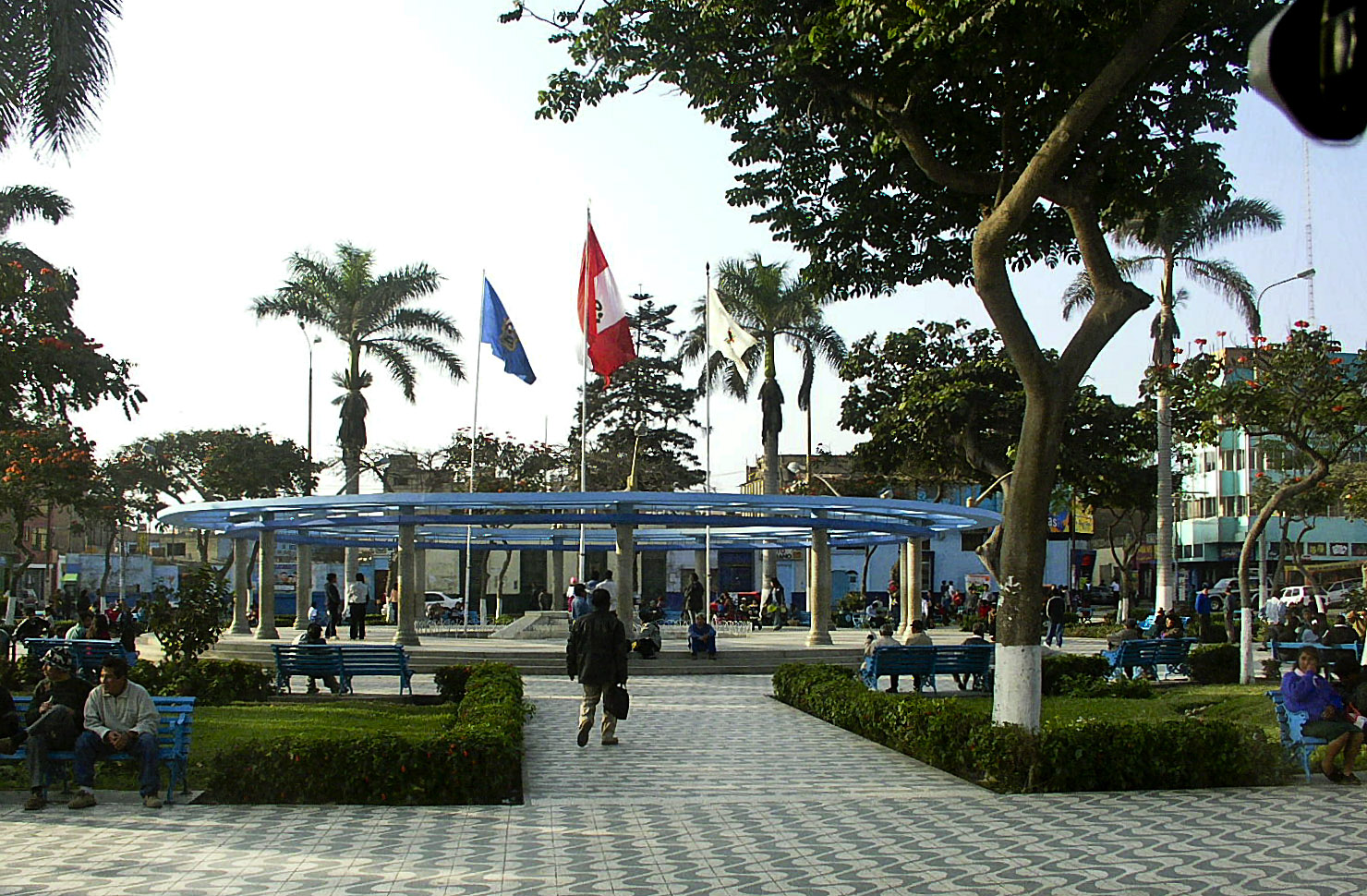
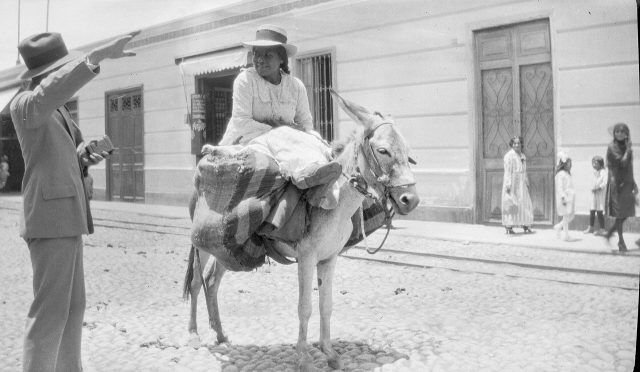
Huaura is known as the place where José de San Martín declared Peru’s independence in 1820. But for locals, it’s a working coastal town where life revolves around fishing and farming. The market started as a trading post for farmers, fishermen, and artisans. Little has changed. Modern packaging has arrived, but the essence remains: people come to buy food for the week or sell their harvest.
The market isn’t vast, but it’s not tiny. Mornings are busy—fishermen unload their catch, farmers bring in vegetables, bakers deliver bread. By midday, the rush slows. By evening, only last-minute shoppers remain.
You won’t find dried insects or rare tropical fruits here. What you will find:
dozens of potato varieties, corn, avocados, limes, chili peppers;
fresh fish—tuna, sea bass, shrimp, mussels;
poultry and pork;
spices—paprika, cumin, oregano, local blends;
goat and sheep cheeses, dairy products.
Vendors often let you sample cheese or fruit if you ask.
The market is where neighbors meet. They catch up on news, exchange recipes, chat. Vendors know their regulars by name, and shoppers know whose fish or vegetables are freshest. Bargaining happens, but prices are usually fixed. The atmosphere is friendly without being intrusive. If you take a photo, no one will mind—but no one will pose either.
Huaura Market shows Peru without the gloss. No luxury hotels, no ocean-view restaurants, no souvenir shops. Just a town living its life, and a market that keeps it running. Visit early, when fishermen unload their catch and the air smells of salt and freshness. That’s when you’ll understand why locals love this place. It’s not for tourists—it’s for them.