Plaza de Armas in Huaura is one of those places that feels suspended in time, even as life around it carries on. This quiet town in the Lima region rarely appears on tourist maps, but that’s precisely what makes it special. Here, the colonial past isn’t confined to history books—it’s woven into the fabric of everyday life. The plaza, like so many in Latin America, is the heart of Huaura, where paths cross and small, unscripted moments unfold.
The architecture is classic for a Spanish colonial town: low buildings with wooden balconies, their pastel facades softened by time, encircle an open square with neat pathways and benches. At its center stands a modest fountain, simple and unadorned, a quiet counterpart to the grander ones found in larger cities. Nearby, the town’s church rises with a plain exterior, its thick wooden doors leading into a cool, dim interior. Built in the 17th century, its bell tower once guided travelers, and today it remains a landmark, visible from the surrounding hills.
Huaura wasn’t always this sleepy. During colonial times, it was a key stop on the route between Lima and Peru’s northern regions. Merchants, officials, and even missionaries passed through, and the plaza witnessed it all—festivals, protests, and the slow rhythm of daily life. When Peru fought for independence from Spain, Huaura became a stronghold for rebels, and the plaza echoed with speeches calling for freedom. Now, only a few plaques hint at that history, but if you look closely, the old walls seem to hold whispers of the past.
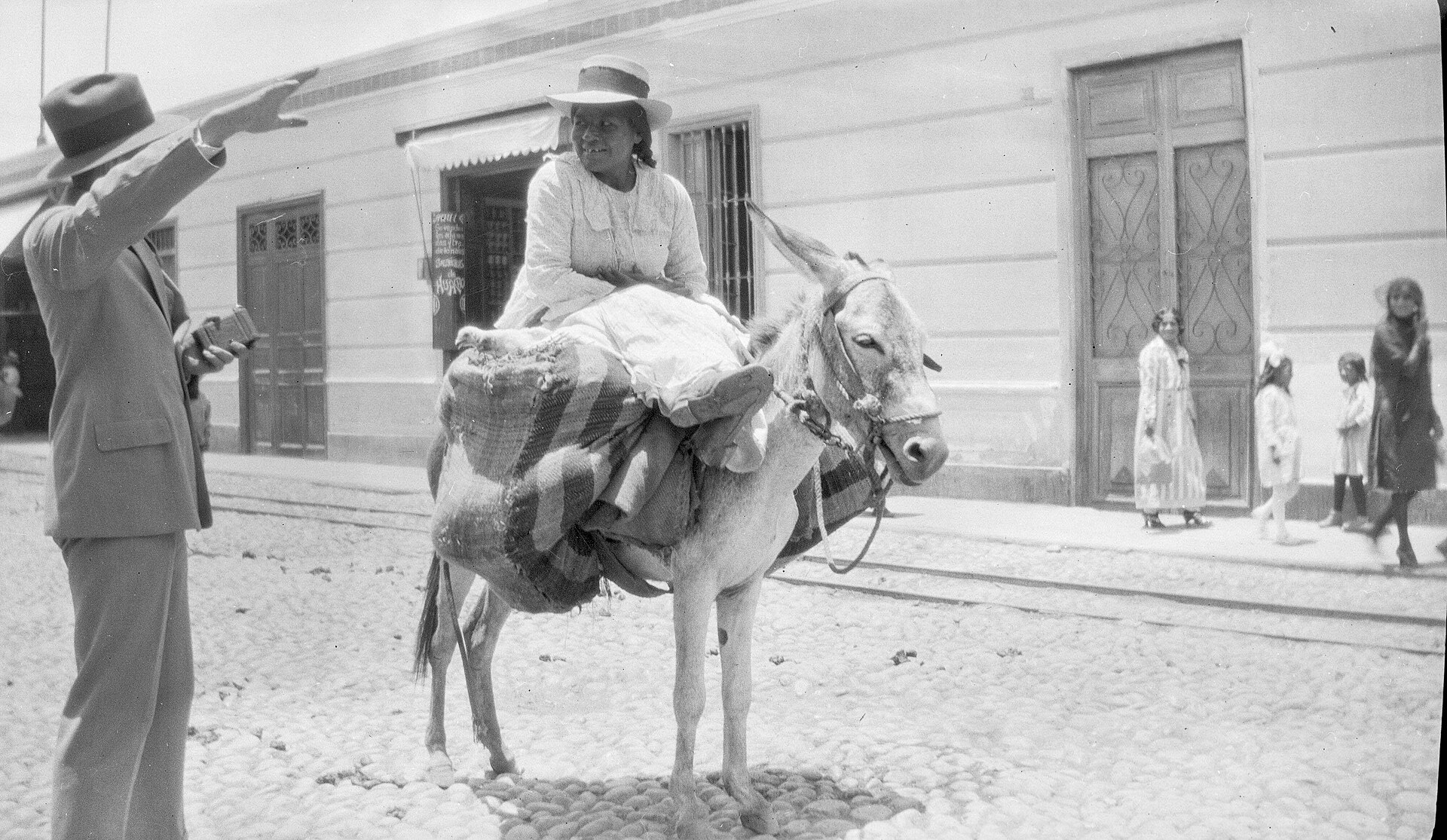
Life here moves at its own pace. Mornings bring locals to the plaza—some to shop at the small market, others just to chat with neighbors. Under the shade of trees, elderly men play chess or dominoes while children kick a ball between benches. By midday, the sun drives most people indoors, but as evening approaches, the square comes alive again. Street vendors appear with ice cream and fresh fruit, and teenagers strum guitars, filling the air with music.
The plaza is at its liveliest during local festivals. In February, carnival celebrations transform the streets with music, dancing, and vibrant costumes. Even smaller religious festivals, honoring the town’s patron saints, turn into community events—processions, fireworks, and shared meals under the open sky. On these days, the plaza isn’t just a meeting place; it’s the center of joy, where traditions passed down through generations take center stage.
What makes Plaza de Armas special isn’t grand monuments or tourist crowds. It’s the quiet moments—the scent of fresh bread from a nearby bakery, the laughter of children, the rustle of leaves in the breeze. This is Peru without the polish, where history isn’t just something you read about but something you feel in the worn stones underfoot.
If you find yourself in Huaura, take your time. Walk the plaza’s perimeter, step inside the church, and sit on a bench to watch the world go by. You might catch a glimpse of a local custom or hear a story from someone who’s lived here for decades. Huaura doesn’t offer luxury or guided tours, but it offers something rarer—a chance to step into the unfiltered life of a small Peruvian town, where the past and present coexist effortlessly.