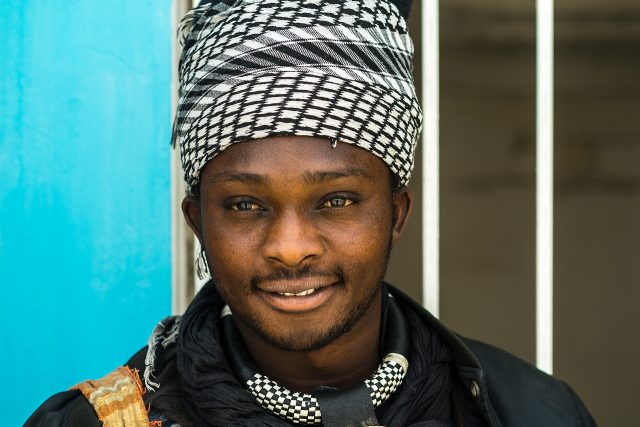
Nouakchott’s Port de Pêche market is where the city reveals itself without polished displays or tourist brochures. Fishermen return at dawn with their catch, traders spread goods on the ground, and customers haggle over fish or watch kettles boil over charcoal fires. This isn’t an open-air museum—it’s where Nouakchott works.
The name Port de Pêche—Fish Port—is literal. Fishing isn’t just an industry here; it’s the backbone of neighborhoods. Nouakchott itself is young, founded in the mid-20th century when Mauritania moved its capital from the interior to the coast. Before the city existed, fishing villages lined this shore, and their trade became the market’s foundation. What started as an informal exchange grew into one of Nouakchott’s largest markets. Today, you’ll find nets, boats, spices, firewood for smoking, and handmade gutting knives alongside the fish.
The market wakes before sunrise. Fishermen arrive first, hauling their night’s catch in pickup trucks or on hand-pulled carts. Crates overflow with horse mackerel, tuna, sardines, sharks, or rays—whatever the ocean yielded. The fish is so fresh it glistens, and the air carries the sharp scent of salt mixed with metal. Traders, mostly women, lay out their goods on mats or concrete. They call out to customers, offering samples of smoked fish or octopus. Food stalls serve fried fish, stew, or flatbreads stuffed with spiced fillings. The smells of smoke, salt, and frying oil cling to your clothes.
There’s no grand architecture here, just a shifting maze of tarps and open spaces. Stalls rearrange daily. Some vendors leave by noon; others stay until dusk. During the rainy season, parts flood, but trade moves to higher ground. In the heat, shade is precious. You might see someone napping on a sack of fish while business continues around them.
Port de Pêche is where deals are made and news is shared. Fishermen swap stories about storms and catches. Traders grumble over prices. Children weave between stalls. Elders sit on crates, watching. Here, status doesn’t matter—only the ability to negotiate and connect.
For visitors, the market offers Nouakchott unfiltered. No guided tours, no scripted experiences. You might come for smoked fish and stay to listen to stories or watch life unfold. It can feel overwhelming at first. Vendors press their goods; children ask for money. The sensory overload—sounds, smells, crowds—is intense. But that’s the point. Port de Pêche doesn’t try to be comfortable. It just exists.
Remember: the market isn’t a spectacle. The people here aren’t performers. Respect their ways. Ask before taking photos, especially of women and children. A smile bridges language gaps better than words. Haggling should be done with humor and respect—vendors notice when you’re genuinely interested.
The market shifts with the seasons. From July to September, catches shrink and prices rise. The market quiets, but fresh vegetables and fruit appear from the interior. In winter, the sea is calmer, fish are abundant, and the market buzzes. It’s busiest before holidays, when people stock up for feasts. But no matter the season, Port de Pêche pulses with Nouakchott’s rhythm.
If you visit Nouakchott, skip the usual stops. Port de Pêche isn’t a place you see in an hour. Walk the rows. Listen to the chatter. Taste the food. Haggle for fish. Sit and watch as the day fades. It might not be comfortable, but it’s the real Nouakchott—the people, their lives, and the places where that life unfolds.