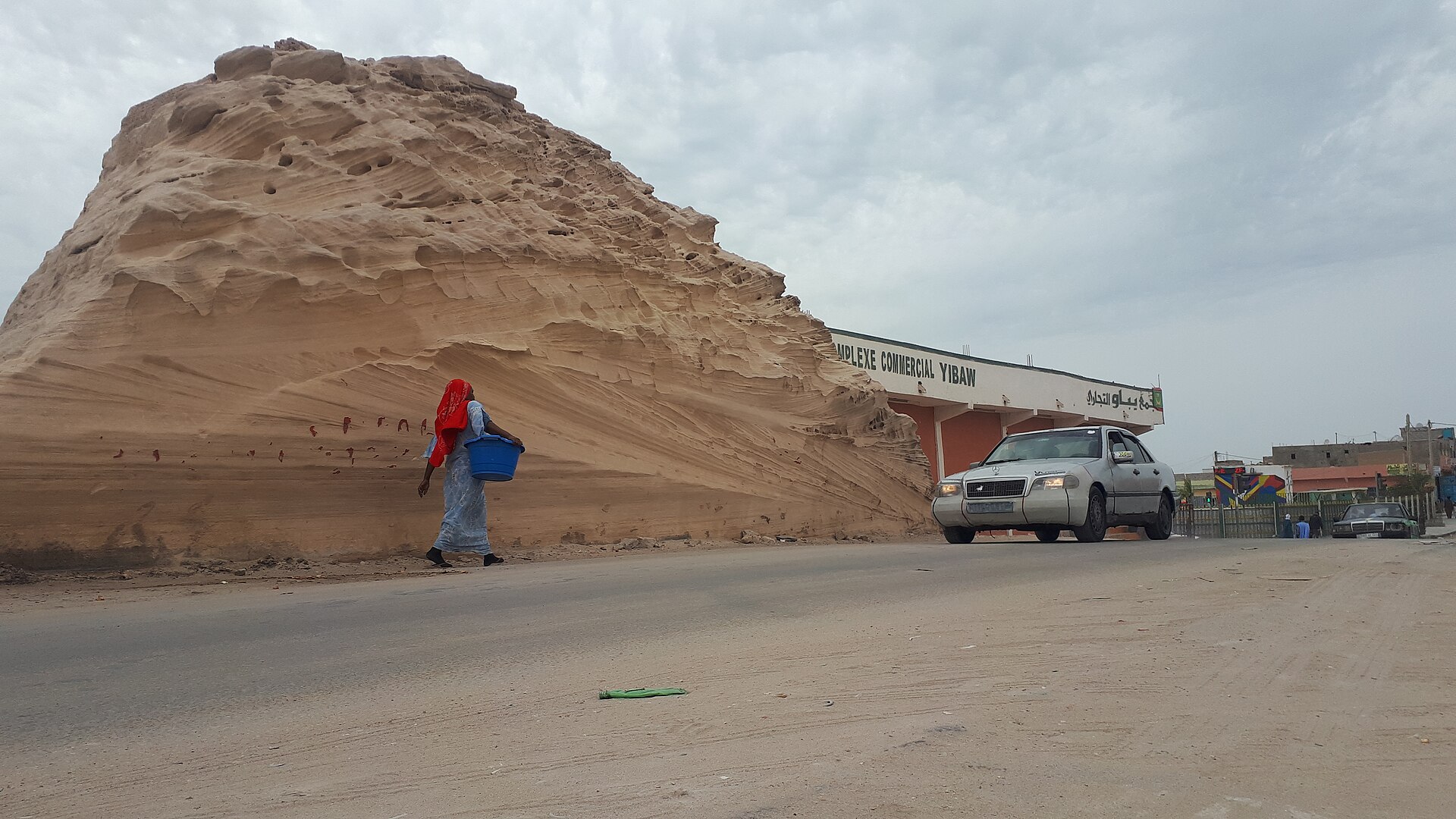
Nouadhibou’s market is where the city reveals itself without pretense. There are no polished displays or rehearsed smiles, just the raw pulse of daily life—voices overlapping in Hassaniya, French, and Arabic, the scent of spices and salt hanging in the air, the jostle of bodies moving through narrow aisles. This isn’t a place designed to impress; it’s a place that simply exists, and that’s what makes it unforgettable. The stalls, bleached by the sun, bear the marks of years, their makeshift roofs patched together from whatever materials were at hand. The conversations here are unfiltered, the transactions unhurried, the atmosphere unapologetically real.
The market mirrors the city’s dual identity, straddling the edge of the Sahara and the Atlantic. On one side, the ocean’s bounty dominates—fresh fish glistening on wooden slabs, shrimp piled high, octopus drying in the sun. Fishermen arrive before dawn, their catch laid out by mid-morning, the most resilient specimens left to cure under the relentless heat. On the other side, the desert’s influence is just as strong: camel milk sold in plastic jugs, dates stacked in pyramids, spices in burlap sacks, and leather goods stitched from animal hides. The contrast is striking, yet it feels entirely natural, as if the market itself is a living bridge between two worlds.
The architecture here is unpretentious, almost provisional. Stalls are cobbled together from plywood, corrugated metal, and frayed tarps, their flimsy structures held up by habit as much as by nails. The passageways are tight, clogged with people, handcarts, and baskets overflowing with goods. In the center, the busiest section hums with activity—vegetables, fruits, and bread, the staples of Mauritanian households, sold alongside household items and secondhand clothes. There’s no grand design, no master plan, just a space that has grown organically over time, shaped by the needs of those who use it.
Nouadhibou began as a small port settlement in the early 20th century, a meeting point for traders from the interior and fishermen from the coast. Over time, it became a crucial hub, linking West Africa with the Maghreb and Europe. The market was always at the heart of this exchange, a place where deals were struck, news was shared, and the city’s rhythm was set. Today, it remains a vital part of Nouadhibou’s identity, a place where the past and present coexist without fanfare. You won’t find plaques or guided tours here, just the quiet persistence of a place that has always been essential.
By midday, the market slows. The sun is at its peak, and the heat drives people into whatever shade they can find. Vendors sip sweet mint tea from tiny glasses, their voices low as they haggle with customers. Bargaining isn’t just expected—it’s a ritual, a dance of offers and counteroffers that can stretch on for half an hour. There’s no rush; the conversation is as important as the sale. For outsiders, these exchanges offer a glimpse into the city’s social fabric, a way to understand Nouadhibou beyond the surface.
This isn’t a place for tourists looking for souvenirs. There are no trinket shops or postcard stands, just the raw, unfiltered reality of Mauritanian life. Here, you can taste the food as locals eat it—couscous rich with spices, fresh bread pulled from traditional clay ovens, tea poured from a height to create the perfect froth. Street vendors grill fish over open flames, serving it with fiery sauces and flatbread, the scent of smoke and spices lingering in the air. It’s simple, unadorned, and utterly authentic.
The market has its own unspoken rules. Photography is frowned upon unless you ask first, and some sections—like the meat stalls, where carcasses hang in the open air—aren’t for the faint of heart. But if you look closely, you’ll find hidden treasures: old coins, silver jewelry, embroidered fabrics, and even ancient Arabic manuscripts salvaged from abandoned mosques. These items aren’t displayed for tourists; they’re part of the market’s everyday commerce, a reminder of the layers of history that run beneath the surface.
As evening falls, the market comes alive again. Flickering bulbs cast long shadows, and the faces of vendors and shoppers take on a warmer glow. The scent of grilled fish and spices grows stronger, mingling with the sound of laughter and conversation. Locals come not just to shop but to socialize, to catch up with friends, to share news over cups of tea. For visitors, this is the best time to experience the market—not as a spectacle, but as a living, breathing part of the city.
Nouadhibou’s market isn’t a place you visit for Instagram photos or carefully curated experiences. It’s a place where time moves differently, where the rhythms of trade and conversation have remained unchanged for decades. The crowds, the smells, the sounds—they’re not staged for effect. They’re the real, unvarnished heartbeat of the city, a reminder that some places don’t need to be polished to be profound. If you want to understand Nouadhibou, this is where you start.