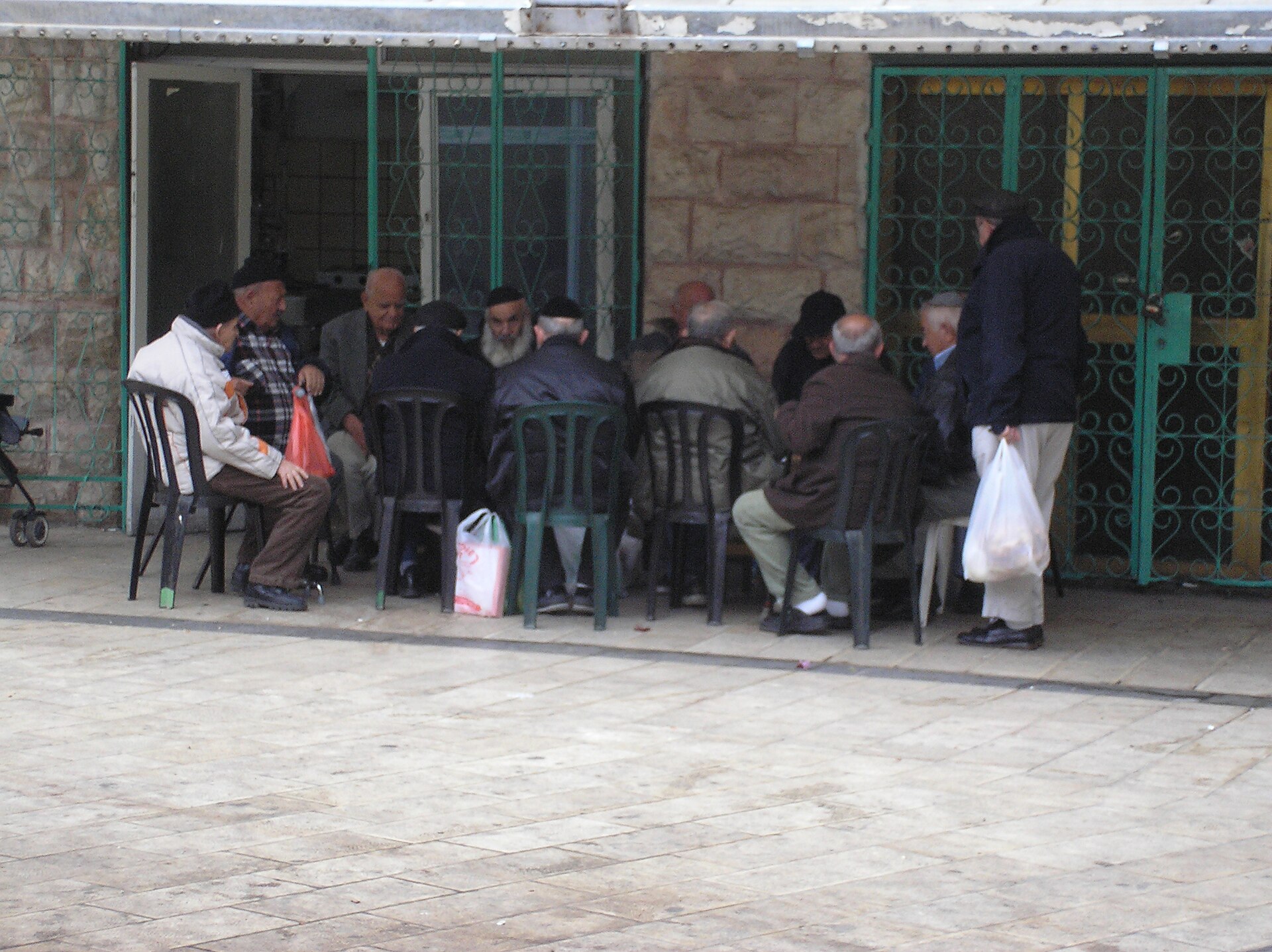
Mahane Yehuda Market is where Jerusalem sheds its polished veneer and reveals itself in all its raw, sensory glory. There are no grand monuments or carefully curated tourist trails here—just narrow alleys humming with life, where the air is thick with the scent of freshly ground coffee, roasted nuts, and citrus from squeezed pomegranates. Voices weave together in Hebrew, Arabic, English, and a dozen other languages as vendors call out prices and neighbors stop to chat. The market isn’t just a place to shop; it’s a living organism that shifts with the hours. Mornings are quiet, almost sleepy, as stall owners arrange their goods and early risers pick up the day’s provisions. By midday, the space pulses with energy—crowds jostle for space, children dart between legs, and the clatter of bargaining fills the air. Then, as evening falls, the market transforms again. The food stalls close, lights flicker on, and the alleys become a stage for something entirely different: glasses clink in bars, music spills from open doorways, and strangers strike up conversations over shared tables.
The market’s history stretches back over a century, to a time when Jerusalem was bursting beyond its Old City walls. In the late 1800s, as Jewish immigrants from Europe, North Africa, and the Middle East settled in the surrounding neighborhoods, an informal bazaar took root. What began as a loose gathering of traders eventually grew into a permanent fixture, with covered stalls and arched passageways replacing the makeshift stands. The name Mahane Yehuda—"Camp of Judah"—harks back to an old neighborhood that once stood nearby. Over the decades, the market evolved from a simple trading post into something far more significant: a crossroads of cultures, a daily ritual for generations of Jerusalemites, and a mirror of the city’s ever-changing identity.
The architecture of Mahane Yehuda tells its own story. The market’s oldest sections still bear the marks of its early days—high ceilings, stone arches, and the warm, golden hue of Jerusalem limestone. In the early 2000s, a major renovation modernized the infrastructure without erasing its character. New additions blend seamlessly with the old, creating a space that feels both timeless and contemporary. The real magic, though, lies in the contrast between day and night. During daylight hours, the market is all business: vendors hawk their wares, shoppers haggle over prices, and the scent of spices and fresh bread hangs heavy in the air. But as dusk settles, the atmosphere shifts. The food stalls shutter, string lights come to life, and the alleys fill with the murmur of conversation and the clink of glasses. What was once a place of commerce becomes a social hub, where locals and visitors alike gather to unwind.
Food is the heart of Mahane Yehuda, and the market offers an overwhelming abundance of it. Spices are a particular point of pride—piles of za’atar, sumac, and baharat sit alongside jars of preserved lemons and sacks of dried chilies. Olive vendors display dozens of varieties, from briny green to oil-cured black, some stuffed with garlic or herbs. Cheese lovers will find everything from creamy white labneh to aged, crumbly wheels sold by the slice. For those with a sweet tooth, the options are endless: flaky baklava, dense halva in flavors like pistachio and sesame, and the market’s famous Jerusalem bagels—crisp, sesame-crusted rings that bakers pull fresh from the oven. And if hunger strikes, there’s no shortage of quick bites: falafel balls wrapped in warm pita, sizzling skewers of shawarma, or whole fried fish served with lemon and tahini.
Yet Mahane Yehuda is more than just a food market. Over the years, it has become a canvas for creativity, drawing artisans, designers, and small-business owners who set up shop alongside the traditional vendors. You’ll find handmade ceramics, intricate jewelry, and textiles dyed in rich, earthy tones. Some stalls sell vintage books or antique kitchenware, their wares arranged with the care of a curator. This blend of old and new gives the market a dynamic energy—it’s still very much a place where locals come for their weekly groceries, but it’s also a destination for those seeking something unique. On weekends, the crowds swell as tourists mix with regulars, and the alleys buzz with a festive, almost carnival-like atmosphere.
As night falls, the market takes on yet another identity. The daytime chaos gives way to a more relaxed, convivial vibe. Bars and cafés spill onto the sidewalks, their tables filled with people sipping craft beer, local wine, or strong Turkish coffee. Live music often drifts from open doorways, and impromptu performances sometimes break out in the squares. In recent years, Mahane Yehuda has become a cultural hotspot, hosting everything from jazz concerts to pop-up art exhibitions. It’s a place where tradition and modernity coexist effortlessly—where you might stumble upon a poetry reading in one alley and a DJ set in the next.
For many Jerusalemites, Mahane Yehuda is more than just a market; it’s a second home. Generations of families have shopped here, their routines woven into the fabric of the place. Regulars know the vendors by name, stopping to chat about the weather or the latest news while picking up their usual order of olives or fresh bread. The market has also become a testing ground for new ideas. Vegan eateries and zero-waste shops have sprung up alongside the butchers and spice sellers, reflecting the city’s evolving tastes. This ability to adapt without losing its essence is what makes Mahane Yehuda so special. It’s a place where the past is honored, but the future is always welcome.
Visiting Mahane Yehuda is like stepping into the beating heart of Jerusalem. There are no grand facades or tourist traps here—just the unfiltered rhythm of daily life. Whether you come for the food, the people-watching, or the sheer energy of the place, the market offers something rare: an authentic slice of the city. It’s a reminder that Jerusalem isn’t just a collection of holy sites and ancient stones; it’s a living, breathing place where history and modernity collide in the most ordinary and extraordinary ways. Come in the morning for fresh figs and a cup of mint tea, or return at night for a glass of wine and the hum of conversation. Either way, Mahane Yehuda will meet you with the same warmth and openness that has defined it for over a century.