Mathbaria Bazar is one of those places where life moves at its own unhurried pace, much like the Padma River flowing past its banks. There’s no rush here, no crowds of tourists with maps and selfie sticks—just the quiet rhythm of rural Bangladesh, where each day unfolds with small, unremarkable discoveries. The market isn’t just a place to trade; it’s the heart of a small town, where the lives of locals intertwine, offering a glimpse into a way of life far removed from the capital and far from the usual tourist trails.
Mathbaria sits in the Ganges Delta, surrounded by rice paddies, palm groves, and endless stretches of water. The air carries the scent of salt and fish, and the horizon often blurs into mist or rain. The market stands at the center of this world, where roads converge before leading down to the river and, beyond it, the Bay of Bengal. By morning, farmers from nearby villages arrive with their produce, fishermen bring in their catch, and traders set up stalls with goods from neighboring districts. By midday, the square in front of the market becomes a sea of colorful headscarves, baskets, and carts, filled with the shouts of vendors, the laughter of children, and the hum of conversation.
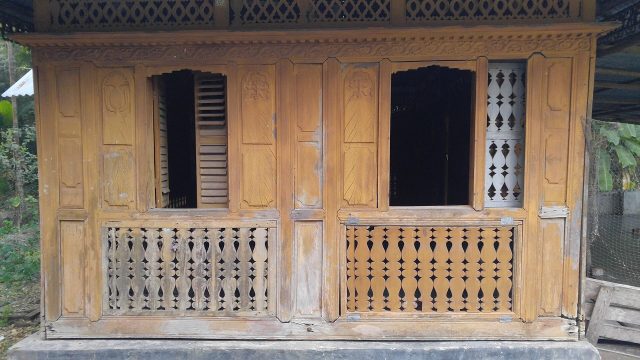
The market’s architecture is simple and practical, like everything else in this part of the country. Wooden stalls with corrugated iron roofs line narrow alleys, while open-air counters display piles of vegetables, fruits, and spices. There are no fancy displays or designer interiors—just raw functionality, where every inch of space is used efficiently. During the monsoon season, the roofs leak and the ground turns to mud, but trade never stops. The locals have long adapted to the weather’s whims, carrying on with their routines whether the sun is scorching or the rain is pouring.
At Mathbaria Bazar, you can find almost everything needed for daily life. Fresh fish, caught that same morning, is laid out on the ground—from small river varieties to larger sea catches brought in from the coast. Fishermen haggle with buyers over the best specimens, while nearby, mounds of vegetables await: eggplants, pumpkins, green beans, chili peppers, and, of course, rice—the staple of the local diet. A separate section is dedicated to spices: turmeric, coriander, and chili, which give Bangladeshi cuisine its distinctive flavor. There are also fabric stalls selling saris and lungis, the traditional clothing worn by both men and women.
But the market is more than just a place to shop—it’s a social hub where people exchange news, discuss their lives, and pass the time. You’ll see elderly men sitting on wooden benches, sipping tea from clay cups, women catching up with neighbors while picking out groceries, and children darting between stalls, begging vendors for a taste of fruit. The atmosphere is warm and intimate, a far cry from the impersonal bustle of big cities. Everyone knows each other here, and even a stranger can quickly feel like part of the community.
The history of Mathbaria Bazar stretches back to the days when this region was part of the Bengal Sultanate and later the Mughal Empire. Trade has always been central to its existence, thanks to its location at the crossroads of river and sea routes. In the past, caravans carrying goods from inland India passed through on their way to the coast and beyond, to Southeast Asia. Today, the market remains an important trading post, though on a smaller scale. You can still find goods here that are hard to come by in Dhaka’s shops: rare fish varieties, local herbs, and handmade crafts.
Visiting Mathbaria Bazar is a chance to experience the real Bangladesh—the side that rarely makes it onto postcards or into guidebooks. There are no tourist attractions, no museums or historic monuments, but what you’ll find instead is something far more valuable: authenticity. This is a place where people live in close connection with the land, facing daily challenges with resilience and good humor. There are no pushy vendors or scams here, just quiet hospitality. The locals are reserved but friendly, and if you show genuine interest in their lives, they’ll gladly share their traditions, customs, and stories.
The market follows its own rhythm, and the best time to visit is early morning, when the sun is just rising and the air is still cool. That’s when it’s busiest—farmers bringing in their goods, fishermen returning from night catches, and traders preparing for the day ahead. By noon, the crowds thin out, and the market quiets down under the midday heat. In the evening, activity picks up again, but in a different way: people return from work, stock up on dinner supplies, and street vendors light their grills, offering hot snacks to passersby.
Mathbaria Bazar isn’t a place you visit for excitement or luxury. It’s a place to see how people really live in this part of the world. There’s no pretension here, no attempt to impress outsiders. The market simply exists, and in that simplicity lies its greatest appeal. If you ever find yourself in this corner of Bangladesh, take the time to wander its rows, watch the daily routines, and maybe even try some local food. You might leave with more than just purchases—you might take away a piece of this quiet, enduring way of life.