Las Dalias market is one of those rare places that feels like it hasn’t changed in decades, though it’s far from frozen in time. It began in the 1970s as a gathering spot for Ibiza’s growing community of hippies, artists, and local craftspeople—a place where handmade goods, music, and stories were exchanged as freely as the Mediterranean breeze. Today, it still carries that same spirit, a quiet rebellion against mass production and fleeting trends.
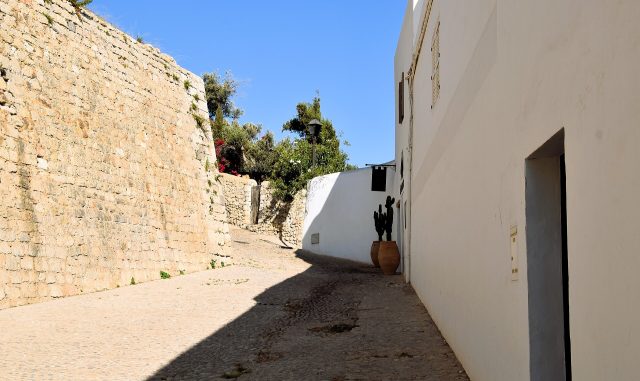
Tucked away in the village of Sant Carles, on the island’s quieter northeastern side, Las Dalias exists at a different pace than the beach clubs and resorts. There are no high-rises here, no neon signs competing for attention. The rhythm follows the sun, the seasons, and the unhurried conversations of people who’ve known each other for years. The market unfolds beneath the shade of olive trees, its stalls set among whitewashed houses with terracotta roofs, their simplicity echoing the island’s traditional architecture.
What you’ll find here isn’t the kind of merchandise churned out by the thousands. Instead, Las Dalias is a showcase of craftsmanship—pottery shaped by hand, silver jewelry set with semiprecious stones, clothing woven from natural fabrics, and bottles of locally made essential oils. Many of the vendors have been coming for decades, their work evolving but never losing the personal touch that makes each piece unique. Some stalls have been passed down through generations, and if you linger, you might hear the story behind a particular pattern on a scarf or why a certain stone is believed to hold meaning.
Music is as much a part of the market as the goods on display. In the evenings, the air fills with the sound of Spanish guitar, spontaneous jam sessions, or the occasional local band playing everything from traditional Ibizan tunes to psychedelic rock. The melodies blend with the smells of grilled seafood, paella simmering in wide pans, and the sharp tang of local cheeses and olives. There’s no schedule, no grand stage—just the kind of music that feels like it’s being made for the moment, not for an audience.
But Las Dalias isn’t just about shopping or listening to music. It’s a place where people come to connect. Old friends reunite with hugs and laughter, children dart between stalls, and visitors wander slowly, taking in the details—the way a vendor carefully wraps a purchase in brown paper, the way sunlight filters through the olive leaves. Some come without any intention of buying, drawn instead by the sense of belonging, the feeling that this is a place where time moves differently.
The market also serves as a community hub, hosting events that reflect the island’s rhythms. In August, farmers bring their harvest—figs, almonds, and the first grapes of the season—turning the market into a celebration of Ibiza’s agricultural roots. December brings a Christmas fair, with handmade decorations, spiced wine, and the kind of warmth that has nothing to do with the weather. These gatherings draw people from nearby villages, reinforcing Las Dalias’ role as a meeting point for the island’s quieter, more traditional side.
There’s nothing grand about the market’s design. The stalls are made of wood, the awnings woven from reeds, and the paths laid with stone. There are no flashy displays or loud advertisements, just the soft glow of lanterns and candles in the evening, their light catching the sheen of silver jewelry or the rich colors of hand-dyed fabrics. The simplicity is deliberate, a reminder that the market’s value lies in what happens between the stalls, not in how they look.
For many, Las Dalias embodies the Ibiza that existed before the island became synonymous with nightlife and luxury resorts—the Ibiza of the 1960s and 70s, when it was a haven for artists, musicians, and free spirits. That version of the island still lingers here, in the stories told by the vendors, the music drifting through the air, and the unhurried way people move through the market. It’s a place where you can still feel the island’s creative energy, the same energy that once drew painters like Raoul Dufy and writers like Truman Capote.
If you visit, don’t expect the kind of experience you’d find on the island’s more tourist-heavy side. There are no beaches here, no thumping basslines or crowded bars. Instead, there’s the quiet rustle of olive leaves, the scent of fresh bread from a nearby stall, and the distant strum of a guitar. It’s a place for those who prefer to wander without a plan, who appreciate the chance to take home not just a souvenir, but a piece of the island’s history—one that’s still being written.