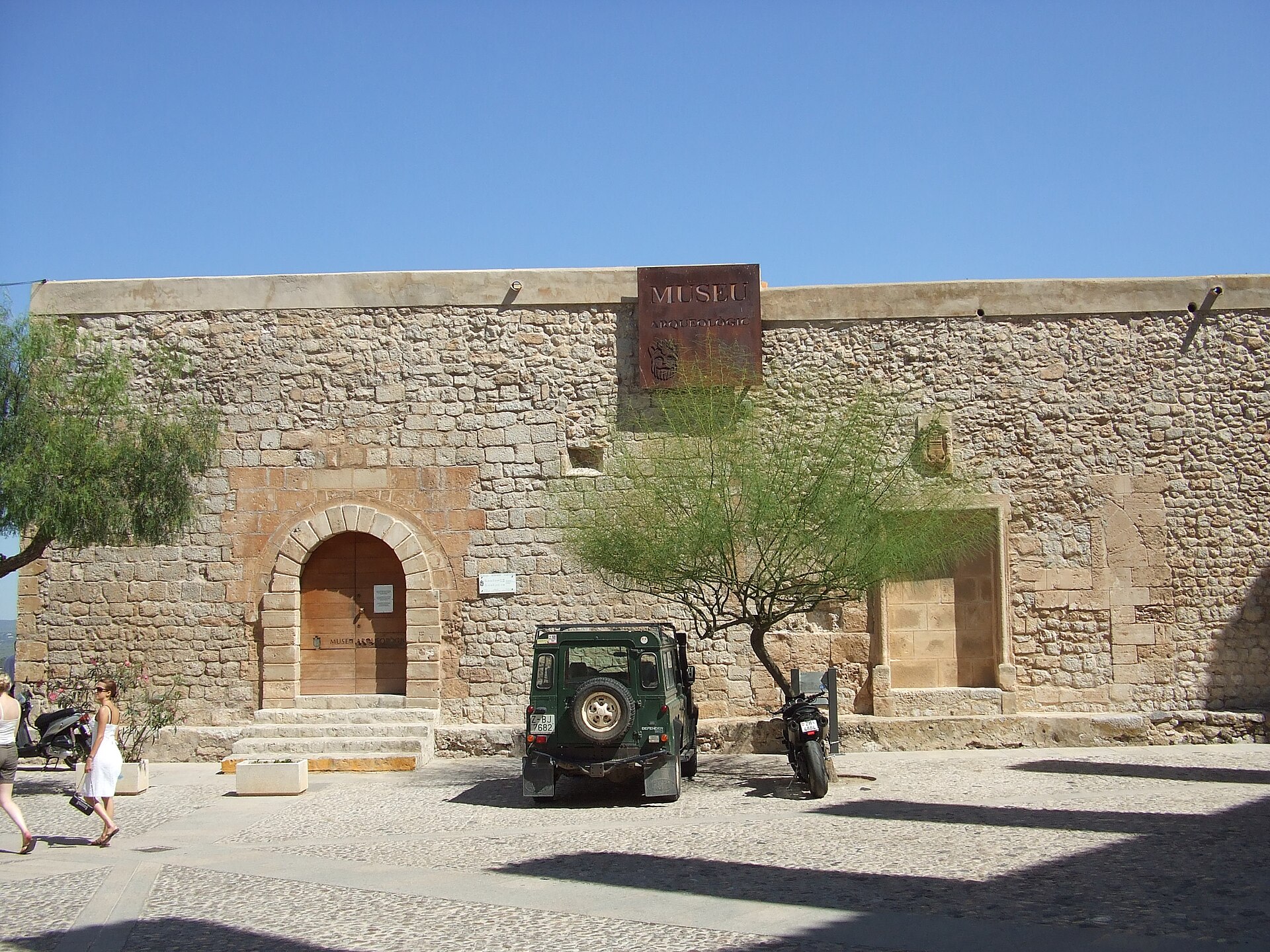
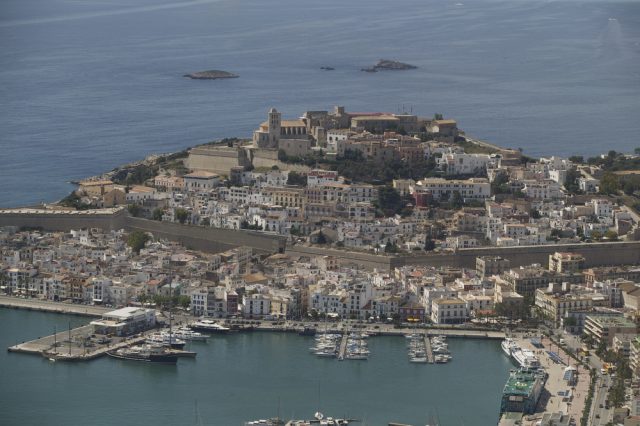
The Archaeological Museum of Ibiza is one of those rare places where the island’s past feels more alive behind glass than in the ruins scattered across its landscape. Tucked within the winding streets of Dalt Vila, the museum occupies a building that carries its own weight of history. This was once a 16th-century hospital, its vaulted ceilings and thick wooden doors still whispering of a time when Ibiza was less a holiday destination and more a strategic outpost in the Mediterranean. The structure itself is a relic, standing on a hill where Phoenician fortifications once rose, later replaced by Roman and Arab constructions. Every stone here seems to hold a memory, layered with centuries of human presence.
The museum’s collection spans from the island’s earliest days to the late Middle Ages, but its most compelling stories belong to the Phoenician era. When the Phoenicians arrived in the 7th century BCE, they named the island Ibossim and transformed it into a thriving hub of trade and culture. The artifacts on display—pottery, jewelry, coins, and everyday objects—were unearthed from Puig des Molins, one of the largest Phoenician necropolises in the western Mediterranean. Among the most striking exhibits are the anthropomorphic sarcophagi, their carved lids frozen in silent vigil, as if waiting for the souls they once cradled.
While the Roman period on Ibiza doesn’t dominate the museum’s narrative as strongly as the Phoenician, it still leaves its mark. Fragments of mosaics, small statues of gods, and amphorae hint at the island’s continued importance as a trading post long after Carthage fell. The Romans brought their own customs, blending them with local traditions—evidence of which can be seen in the artifacts tied to the worship of Isis and other deities that coexisted with the Roman pantheon. These pieces offer a glimpse into the island’s role as a crossroads of cultures, where beliefs and goods flowed as freely as the sea around it.
Some of the most fascinating exhibits come from underwater excavations. Ibiza’s waters have long been a graveyard for ships, and the museum displays relics pulled from the depths—amphorae, anchors, and even fragments of hulls. These aren’t just remnants of trade; they’re silent witnesses to storms, piracy, and battles that once played out along the island’s shores. A few pieces are so well-preserved that they feel almost contemporary, as if they were lost yesterday rather than centuries ago.
The medieval section of the museum leans heavily into the island’s Arab period, which began in the 8th century when the Moors took control. Their influence reshaped Ibiza, introducing new farming techniques, irrigation systems, and architectural styles. The artifacts from this era—ceramics, weapons, and household items—paint a picture of daily life under Muslim rule. One of the most intriguing displays is a collection of coins minted on the island, spanning from Phoenician times to the Middle Ages. Each coin tells a story of power, trade, and the shifting tides of history.
Beyond the exhibits, the museum itself is part of the experience. The building has been carefully adapted to house its collections while retaining the character of its past. Courtyards filled with orange trees, worn stone staircases, and frescoes that have faded but not disappeared all contribute to an atmosphere that feels timeless. It’s easy to imagine the hospital that once stood here, its halls filled with the sounds of another era. Even the air seems to carry the weight of history, thick with the scent of old wood and sun-warmed stone.
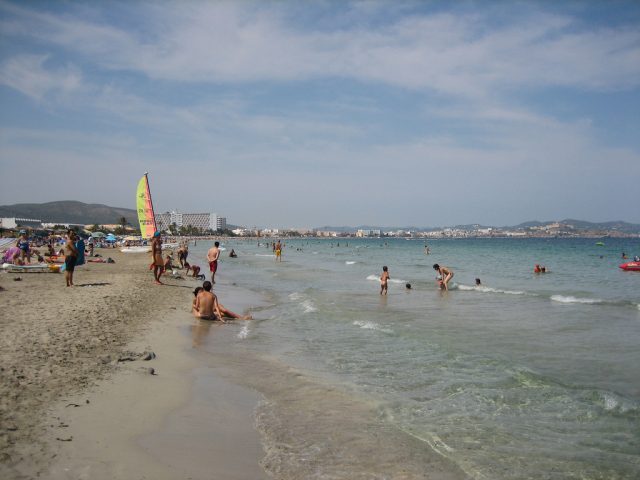
A visit here is more than just a walk through galleries; it’s a step into the layers of Ibiza’s identity. The island is often reduced to its beaches and nightlife, but this museum reveals a different side—one steeped in centuries of human endeavor, conflict, and exchange. The exhibits don’t just sit behind glass; they breathe, each one a thread in the larger tapestry of the island’s past. Spending a few hours here feels like unraveling a mystery, one artifact at a time.
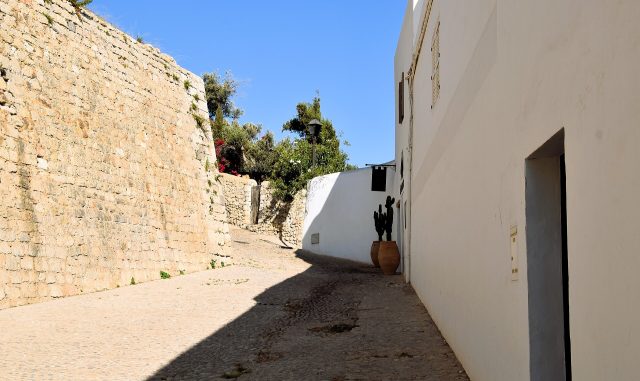
After leaving the museum, the old town of Dalt Vila invites further exploration. The narrow streets, fortified walls, and whitewashed houses all echo the same history that fills the museum’s halls. Every archway, every balcony draped in bougainvillea, feels like a continuation of the story begun in those display cases. If you listen closely, the wind carries more than just the scent of salt and flowers—it carries the voices of those who walked these streets long before the first tourists arrived.