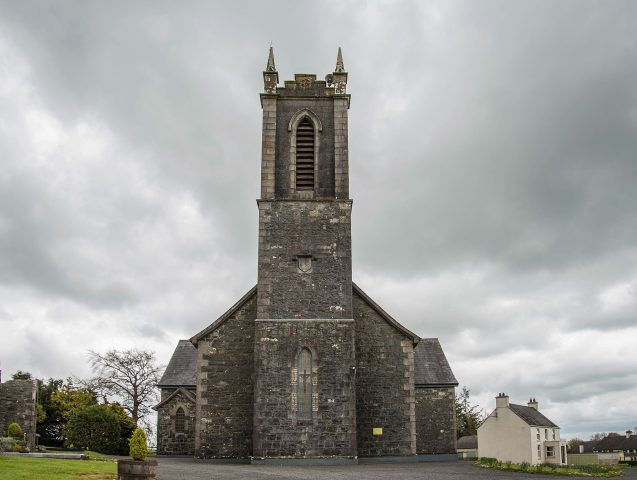
Cavan Market is one of those rare places where time seems to slow down, where the rhythm of life feels different—less hurried, more deliberate. Tucked away in the heart of the county, it sits at the crossroads of narrow streets lined with low stone houses and old churches. There’s no rush here, no sense of urgency that defines bigger cities. Instead, there’s something harder to find these days: a quiet authenticity, where every stall, every conversation, even the scent of freshly baked bread, feels like part of a larger, unspoken story.
The market’s roots stretch back to the days when Cavan was little more than a small trading settlement, surrounded by rolling green hills and lakes. The first records of it appear in the 18th century, when the county was just beginning to establish itself as a center for farming and craftsmanship. Back then, the market wasn’t just a place to buy and sell—it was a gathering point for farmers, artisans, and travelers, a place where news was exchanged along with goods. Over the years, as supermarkets and shopping centers sprang up around it, the market held its ground, refusing to fade into the background.
The architecture is simple, almost unassuming, but that’s part of its charm. The stalls, with their wooden counters and corrugated metal roofs, look much like they did decades ago. Inside, the space is open and airy, with high windows letting in soft light, while the stone walls keep the air cool even on warm days. There’s no grandeur here, no attempt to impress with modern design. Instead, the market feels like a place that exists for its own sake, untouched by passing trends.
Today, Cavan Market is more than just a place to pick up fresh produce or local specialties. It’s a kind of open-air museum, where every stall has its own story to tell. Farmers from nearby villages bring in vegetables and fruit grown in the rich soil of the county, while local cheesemakers offer wheels of cheese aged according to old family recipes. You’ll find traditional Irish sweets, homemade jams, and handcrafted goods—knitted scarves, wooden toys, things made with care rather than mass-produced for convenience.
The meat stalls hold a special place here. Irish beef and lamb, raised on lush pastures, have a reputation for quality, and the butchers take pride in displaying their cuts. This is where you might try blood pudding or traditional bacon, prepared the way it has been for generations. For many locals, buying meat at the market isn’t just a chore—it’s a ritual, a small but meaningful part of their week.
What makes the market truly unique, though, is the way people interact. The vendors don’t just sell—they talk, joke, share stories. If you linger a little too long at a stall, you might find yourself offered a cup of tea or a taste of something new. There’s no pressure, no sales pitch—just the easy rhythm of conversation, the kind that happens when people know each other’s names. It’s the opposite of the impersonal experience of a supermarket, and that’s what makes it feel so different.
Cavan isn’t a tourist hotspot, and the market hasn’t been polished up to appeal to visitors. It remains a place where neighbors meet, where farmers discuss the weather, where children dart between stalls begging for sweets. That’s its real value—it exists for the people who come here regularly, not for those just passing through.
If you find yourself in Cavan, the market is worth a visit, if only to see how life unfolds away from the usual tourist trails. There are no guided tours, no loud announcements, no crowds snapping photos. Just the murmur of voices, the smell of fresh bread, and the sense that time moves at its own pace here. Maybe that’s why the market has such a quiet pull—it doesn’t try to be anything more than what it is. And in a world that often feels like it’s moving too fast, that’s enough.