Cavan County Museum is one of those quiet places where history doesn’t just sit behind glass—it lingers in the air, in the creak of old floorboards, in the way sunlight falls through tall windows onto objects that once belonged to someone’s ordinary life. Tucked away in the small town of Cavan, the museum isn’t the kind of attraction that draws crowds, and that’s part of its charm. There are no grand monuments or flashy displays here, just the steady, unassuming weight of the past, told through the things people left behind.
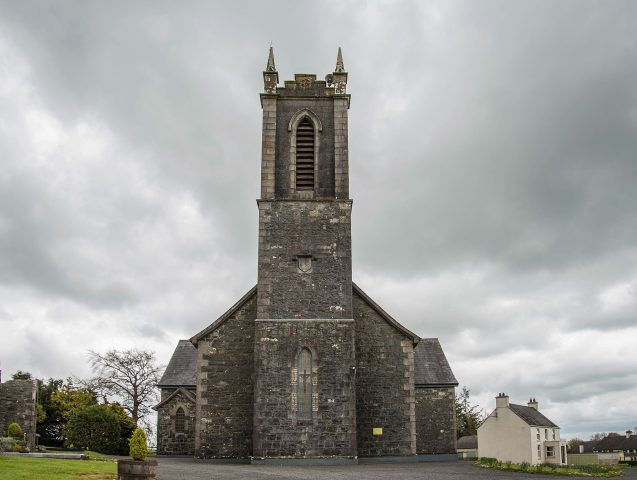
The building itself is a piece of history. Built in 1846 as a boys’ school, it stands with the straightforward, no-nonsense architecture of its time—thick brick walls, high ceilings, and rows of evenly spaced windows that once let in light for students hunched over their lessons. Walking through its rooms, you can almost hear the murmur of voices that filled these halls over a century ago. Some of the original details remain: the worn wooden stairs, the scuffed floors, the way the building seems to breathe with the weight of all those years. It’s not a grand structure, but it has a presence, the kind that makes you slow down and pay attention.
The museum’s collection is rooted in the story of County Cavan, but it reaches beyond local history to touch on themes that shaped all of Ireland. There are no glittering treasures here, no golden artifacts or priceless relics. Instead, the exhibits focus on the everyday—the tools farmers used to work the land, the household items that filled kitchens, the faded photographs of faces long forgotten. One of the most moving sections deals with the Great Famine of the 1840s, when Cavan, like much of Ireland, suffered deeply. The displays don’t dramatize the suffering; they simply present it through ledgers, letters, and simple objects, letting the silence speak for itself.
A particularly engaging part of the museum is dedicated to the crafts and trades that once defined life in Cavan. The county has always been agricultural, and the tools on display—plows, scythes, spinning wheels—tell a story of hard work and resilience. There are also examples of local craftsmanship, like handwoven baskets and earthenware, but the real standout is the collection of traditional Irish lace. Once a thriving cottage industry, lace-making was a skill passed down through generations, a way for women to create beauty even in difficult times. The delicate patterns, painstakingly stitched, are a quiet testament to patience and artistry.
The museum doesn’t just focus on human history. Cavan is known for its lakes and rolling hills, and the exhibits explore how the landscape shaped the lives of those who lived here. The region’s lakes were once vital for food and transport, while the bogs provided turf, the primary fuel for generations. There are displays on local wildlife and plant life, but also on how people adapted to their environment—how they fished, farmed, and built their homes in harmony with the land. It’s a reminder that history isn’t just about people; it’s about the places they inhabited and the ways they learned to survive within them.
Among the most compelling exhibits are those dedicated to the people of Cavan who left their mark on Ireland. The county has produced writers, politicians, scientists, and artists, and the museum gives them space without turning them into myths. One figure who stands out is Thomas Moore, the 19th-century poet whose words still resonate in Irish culture. Moore spent time in Cavan, and his connection to the land is woven into his work. The museum doesn’t just celebrate these figures; it shows how their lives were intertwined with the rhythms of the region, how their stories grew from the same soil as everyone else’s.
What makes Cavan County Museum special isn’t its size or its spectacle, but its honesty. There are no gimmicks here, no interactive screens or dramatic reenactments. Instead, there’s a sense of stillness, a space where the past can be felt rather than just observed. The objects on display aren’t just relics; they’re fragments of lives, each with its own quiet story. Some are mundane—a chipped teacup, a rusted plow—but together, they create a portrait of a place and its people, one that feels intimate and real.
The building, too, plays its part in this atmosphere. It’s not a grand museum designed to impress, but a modest structure that has served many purposes over the years. The fact that it was once a school adds another layer to its character. You can imagine the children who once filled these rooms, the teachers who walked these halls, the way the building must have hummed with life. Now, it’s quieter, but the echoes remain, a reminder that history isn’t just about the past—it’s about the places that hold it.
Visiting Cavan County Museum isn’t about ticking off a tourist attraction. It’s about stepping into a slower, quieter kind of history, one that doesn’t shout for attention but rewards those who take the time to listen. It’s a place where you can feel the weight of ordinary lives, where the past isn’t just remembered but somehow still present. And in a world that often moves too fast, that kind of stillness can be its own kind of revelation.