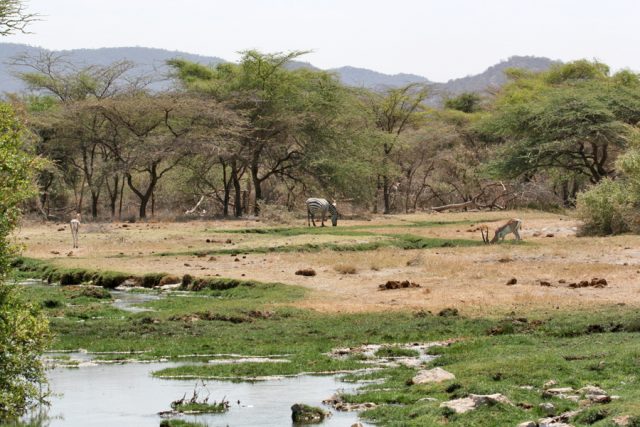
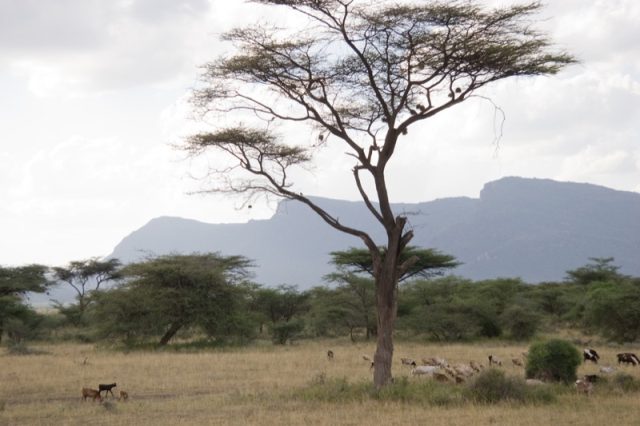
Isiolo Market is where Kenya reveals itself in its most unfiltered form—a place far removed from the polished tourist traps of Nairobi or the coastal resorts. There are no rows of identical wooden giraffes or fridge magnets here. Instead, the air hums with the clatter of voices in Swahili, Samburu, and English, the sharp tang of spices, and the vivid swirl of fabrics that tell stories of trade and tradition. Isiolo itself is a town caught between worlds: a gateway between the fertile highlands of central Kenya and the arid expanses of the north, where the land flattens into savannah and the pace of life slows to the rhythm of herders and nomadic communities. The market isn’t just a place to buy and sell; it’s the town’s beating heart, where cattle traders, farmers, and travelers heading toward Samburu or Meru National Parks all converge.
The market’s history is woven into Isiolo’s own origins. The town took shape in the mid-20th century as a trading post along the route from Nairobi to the northern territories, where Samburu and Turkana herders roamed. Back then, caravans laden with salt, livestock, and hides would pause here, exchanging goods for grain, cloth, and metal tools. Over time, the market grew, absorbing the customs of the people who passed through—traders from Somalia bringing wares from Moyale, Samburu women in their beaded finery, and herders with their long staffs, guiding cattle through the dust. Today, the market is a living archive of these traditions, where ancient bargaining rituals coexist with mobile money transfers and Chinese smartphones.
Dawn breaks early at Isiolo Market, long before the sun climbs over the horizon. The first to arrive are the farmers, their trucks and handcarts piled high with produce: mangoes still warm from the tree, bunches of bananas, tomatoes glistening with dew, and piles of onions and fiery chilies. The narrow alleys between stalls fill quickly, the air thick with the scent of fresh herbs and earth. Women sit on low stools, sorting through sacks of maize, sorghum, and beans, their fingers deftly picking out stones and debris. Nearby, butchers work in the open, their tables draped with sides of goat and sheep. There’s no plastic wrap here—meat is cut to order with a sharp knife, weighed on old brass scales, and handed over in bowls or even bare hands.
Livestock trading occupies its own corner of the market, a world apart from the bustle of the produce stalls. For many of the region’s communities, cattle, goats, and camels aren’t just commodities; they’re the foundation of life. The animals stand in makeshift pens behind the market, tended by herders who know each one by sight. Negotiations unfold slowly, with buyers and sellers circling the beasts, running hands over their flanks, debating prices over cups of sweet, milky tea. Sometimes, a deal is sealed with a handful of tobacco or a few coins passed discreetly—a gesture of trust that might seem strange to outsiders but carries deep cultural weight. It’s a process that hasn’t changed much in generations, and for those who take part, it’s as much about connection as it is about commerce.
Beyond food and livestock, the market offers a dizzying array of goods. In one corner, traditional healers sell bundles of dried roots, powders ground from tree bark, and murky tinctures in recycled bottles—remedies for malaria, joint pain, or general malaise. Nearby, bolts of fabric in bold patterns catch the eye: kente cloth from West Africa, cotton kangas and kikois worn across East Africa, used for everything from clothing to baby slings to makeshift curtains. Electronics stalls display cheap smartphones and solar-powered radios, their wares a reminder of how even the most remote places are touched by global trade. The contrast is striking—ancient remedies alongside mass-produced gadgets, all under the same corrugated metal roofs.
But the market is more than just a place to shop. It’s where the town gathers, where news spreads and friendships are forged. Women cluster in groups, haggling over the week’s groceries, while men linger at tea stalls, sipping spiced chai and debating politics or the latest football match. Children dart between the stalls, helping their parents or playing hide-and-seek in the labyrinth of alleys. By midday, when the sun is at its fiercest, the market quiets briefly—vendors retreat into the shade, and the crowds thin as people head home for lunch. But by late afternoon, the energy returns, and the market hums back to life, the air filled with the sounds of bargaining, laughter, and the occasional bleat of a goat.
For first-time visitors, Isiolo Market can feel overwhelming. The narrow paths are packed tight, the smells—some enticing, some pungent—hang thick in the air, and the sheer volume of activity can be disorienting. There are no air-conditioned supermarkets here, no neatly printed price tags or self-checkout counters. Instead, every transaction is personal, every purchase a negotiation. If you’re lucky, a vendor might tell you the story behind their goods—the farmer who grew those mangoes, the weaver who made that shuka. It’s a place where commerce is still deeply human, where the act of buying something is as much about conversation as it is about exchange.
Isiolo Market isn’t a tourist attraction in the traditional sense. It’s a living, breathing part of the town, evolving as the community does. New goods appear, old ones fade away, but the essence remains the same. This is Kenya without the gloss, a place where the rhythms of daily life unfold in full view. There are no luxury lodges or fusion restaurants here, just the raw, unfiltered reality of a town that exists at the crossroads of cultures and landscapes. If you ever find yourself in Isiolo, don’t rush past the market. Take an hour—or two—to wander its alleys, listen to the voices, and watch the way life moves here. It’s the closest you’ll get to understanding the pulse of this country.