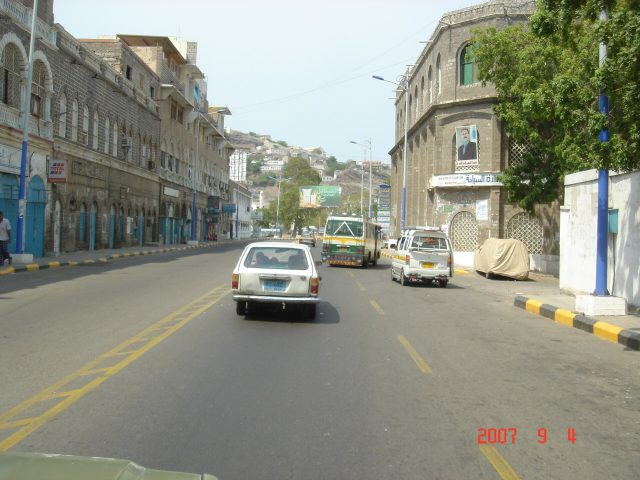
Al-Maajiyah Market in Aden is one of those places where time seems to soften, where the city reveals itself not through grand monuments or polished facades, but through the quiet persistence of daily life. It doesn’t have the theatrical flair of more famous Middle Eastern bazaars. Instead, it feels understated—yet that’s what makes it real. The market has stood here for centuries, and if you look closely, you can still trace the layers of history woven into its narrow alleys: the Ottoman influence in the arched doorways, the British colonial echoes in the ironwork, and beneath it all, the pulse of a port city shaped by the sea.
The market sits in the heart of Aden’s old quarter, Crater, a district that was once an island before the city grew around it. The name Al-Maajiyah comes from an Arabic word meaning "gathering place," and that’s what it is—a crossroads where fishermen, traders, sailors, and locals converge to buy, sell, talk, and linger over coffee. The architecture is simple: low stone buildings with flat roofs, passages so narrow they force you to walk single file, and awnings of rusted corrugated metal or woven palm fronds. It looks as if nothing has changed in decades, though the market has been rebuilt and repaired countless times. Change here doesn’t erase the past—it just adds another layer.
What draws people to Al-Maajiyah isn’t souvenirs or performances. It’s the rhythm of life. The stalls are piled with dried fish, sacks of spices, bundles of herbs used in traditional Yemeni medicine, and vegetables grown on the terraced mountainsides. The air is thick with the scent of turmeric, cardamom, and coriander, mingling with the smoky aroma of flatbread baking on open griddles. In one corner, bolts of fabric—cotton and silk—are stacked high, while nearby, a craftsman hammers a copper coffee pot or engraves patterns onto silver. There’s no grand design to the layout; the market grew as it needed to, with each trade finding its own space over time.
The day begins early, with vendors unrolling their wares onto mats or the ground. By mid-morning, the market hums with activity: women in embroidered dresses haggle over bunches of herbs, old men sip tiny cups of bitter coffee, and boys dart between the stalls balancing trays of steaming tea. The bargaining isn’t rushed; it’s as much about the conversation as the price. By late afternoon, the crowds thin, but the market doesn’t empty. Some come not to shop, but to talk—gathering in dimly lit coffeehouses to play dominoes or backgammon, or to listen to an elderly storyteller recount tales of Aden’s past.
Al-Maajiyah is more than a marketplace; it’s a living archive of the city. During the Soviet era, when Aden was a key stop on trade routes between Europe and Asia, the market buzzed with sailors from across the globe. You can still hear a snippet of broken English from a spice merchant or see a faded poster on a wall. But the market’s essence isn’t in its history; it’s in the way it refuses to be anything other than itself. There are no attempts to modernize or sanitize the experience. The smells are strong, the sounds are loud, and the pace is slow.
For visitors, Al-Maajiyah offers a glimpse of Aden as it is—not the version in guidebooks or behind museum glass, but the city that exists between transactions. There are no luxury hotels or trendy cafes here, just the steady rhythm of life. You could spend hours wandering the alleys, watching a blacksmith shape a jambiya dagger or a weaver repair a loom, or simply sitting on a bench, letting the market’s energy surround you. At some point, it stops feeling like a place you’re visiting and starts feeling like a world you’ve stepped into—one with its own rules and stories.
The heat, the noise, the press of bodies—it can be overwhelming. But that’s why it feels alive. The market doesn’t care about first impressions or tourist expectations. It exists on its own terms, and in doing so, it offers something rare. For those willing to meet it halfway, Al-Maajiyah isn’t just a stop on a journey. The real Aden isn’t in the landmarks or postcards. It’s here, in the scent of spices and fresh bread, in the murmur of voices, in the way the light slants through the awnings as the day fades.