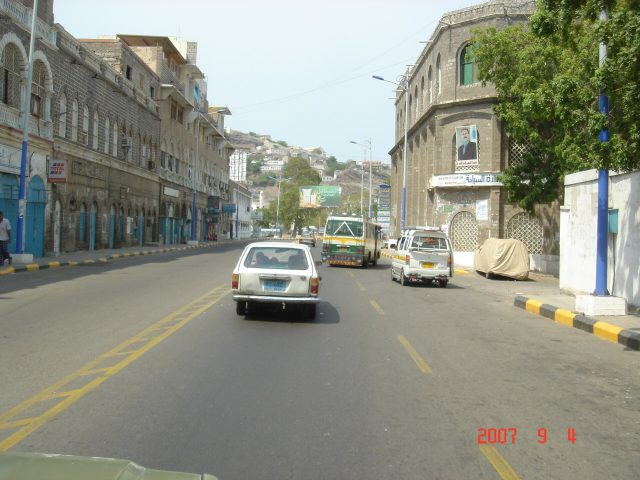
Little Aden is a quiet corner of Yemen where the past lingers in the salt-tinged air and the crumbling walls of old forts. Once an island, it’s now connected to the mainland by a narrow strip of land, a place where the rhythm of life moves slower than the tides that lap against its shores. Unlike the bustling port of Aden proper, Little Aden feels removed from the urgency of the modern world, its low hills and scattered buildings holding stories that stretch back centuries.
The British recognized its strategic value in the 19th century, when Aden served as a crucial stop on the route to India. They built fortifications here, including the most prominent one, Sira Fort, which still stands on a rise overlooking the sea. Its weathered stone walls, though empty now, offer a sweeping view of the coastline—a reminder of the days when control over this stretch of water meant power over trade routes across the Indian Ocean. The fort is quiet these days, but climbing its worn steps feels like stepping into a history book, where the wind carries echoes of a time when ships from distant lands anchored in these very waters.
The architecture here tells its own story, blending British colonial influences with local building traditions. Houses were constructed from stone and clay, their flat roofs and small windows designed to keep out the relentless sun. Many of these buildings now stand abandoned, their walls cracked by time, while others are still inhabited, their residents doing what they can to keep them standing. Walking through the old quarter feels like wandering through a living museum, where narrow alleys twist between homes that have seen generations come and go. The place hasn’t been polished for tourists; it’s raw, real, and all the more compelling for it.
The sea is never far away in Little Aden. Once a hive of activity, its bays now lie quiet, save for the occasional fishing boat bobbing in the clear waters. The shoreline is a mix of pebbles and sand, where the water shifts from turquoise to deep blue depending on the light. Locals still come here to fish or simply escape the heat, but visitors are rare. There are no crowded beaches or souvenir stalls—just the sound of waves and the occasional cry of a seabird. It’s a place for those who prefer solitude over spectacle, where the only agenda is to slow down and let the surroundings sink in.
History here isn’t confined to museums or plaques. It’s in the very ground beneath your feet. Long before the British arrived, this peninsula was a crossroads for trade, with caravans carrying goods from Africa and Asia passing through. In the medieval era, Aden was a hub for the spice trade, and Little Aden likely served as a sheltered anchorage for ships waiting for favorable winds. Today, those layers of history are subtle—fragments of old settlements, the occasional weathered inscription—but they add a depth to the place that’s hard to put into words.
Life in Little Aden moves at its own unhurried pace. Mornings begin with fishermen heading out to sea, while the midday heat drives everyone else indoors. Evenings are when the place comes alive, as the temperature drops and locals emerge to stroll along the shore or gather near the water. The air is cooler then, carrying the scent of salt and the faint hum of conversation. If you’re lucky, you might catch the sunset painting the sky in shades of orange and pink, a quiet spectacle that feels like a reward for those who’ve made the journey here.
This isn’t a destination for those seeking luxury or entertainment. There are no grand hotels or bustling markets, just the unfiltered reality of a place that has seen empires rise and fall. Travelers who come here are usually looking for something different—not the comforts of home, but the chance to step into a world that feels untouched by time. It’s a place where history isn’t just remembered; it’s still alive in the way people live, the way the wind carries the sound of the sea, and the way the past and present coexist without pretense.
Like much of Yemen, Little Aden has faced its share of hardships in recent decades. Conflict and economic struggles have left their mark, but life here hasn’t stopped. The people still fish, trade, and go about their daily routines, holding onto traditions that have endured for generations. The infrastructure is basic, and many buildings are in need of repair, but that’s part of what makes this place special. There’s no gloss, no attempt to hide the cracks—just the quiet resilience of a community that carries on despite everything.
If you ever find yourself in Little Aden, don’t rush. Wander the streets, watch the fishermen mend their nets, listen to the waves. This is a place where the magic lies in the details—the way the light hits the old stone walls, the sound of a door creaking open, the glimpse of a family sitting down to a meal. It’s not about ticking off sights or following a guidebook; it’s about letting the place reveal itself on its own terms. In a world that often feels too fast, too polished, Little Aden offers something rare: a chance to step back and breathe.