Słubice’s Market Square doesn’t announce itself with grand monuments or crowds. It holds the rhythm of everyday life, a small piece of the town’s past and present. The square isn’t large, but that’s part of what makes it feel like itself. Here, buildings wear their age—peeling plaster, worn facades, wooden café tables spilling onto the pavement. Locals walk dogs, and the air carries the scent of fresh bread from nearby bakeries. It doesn’t try to impress, yet it has its own quiet presence.
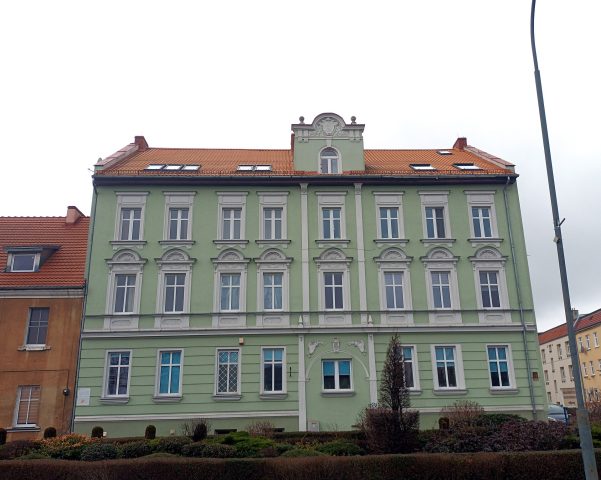
The history of Słubice is tied to Frankfurt an der Oder, the German city across the river. Before World War II, they were one. When the border was drawn after the war, Słubice became Polish, but the architecture stayed German—tall, narrow houses with steep roofs, gables, and facades that once belonged to the same town. Some buildings still bear faded German inscriptions. Walking through the square, you sense the layers beneath the cobblestones, the way the place has absorbed change without losing itself.
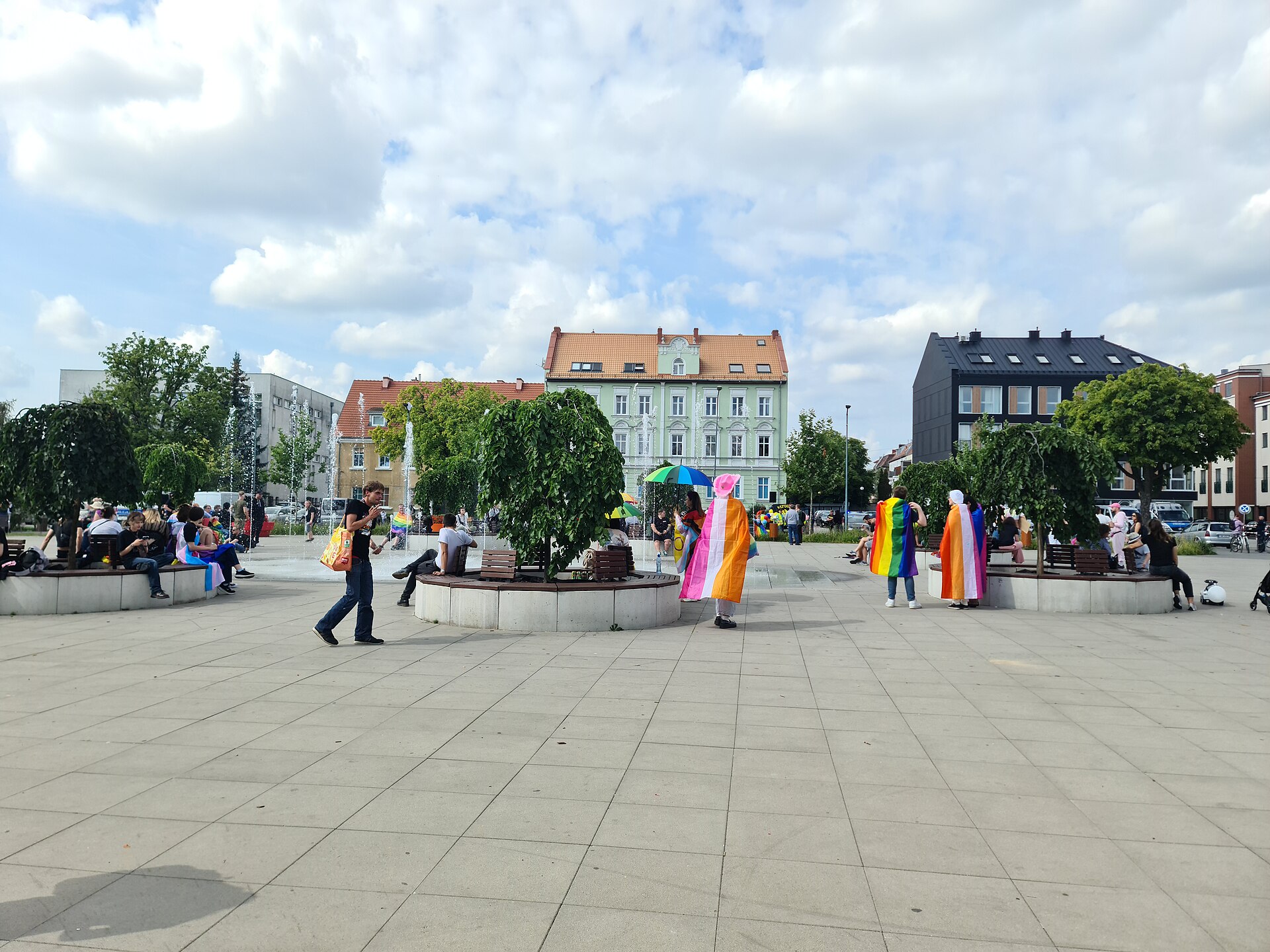
The square is a long rectangle, framed by low-rise buildings mostly from the 19th century. At its center stands a modest fountain. In summer, people gather here—locals taking a break, travelers pausing to rest. Street musicians sometimes play nearby. In winter, the fountain becomes an ice rink. It’s not a grand landmark, but it feels lived-in, where small moments add up.
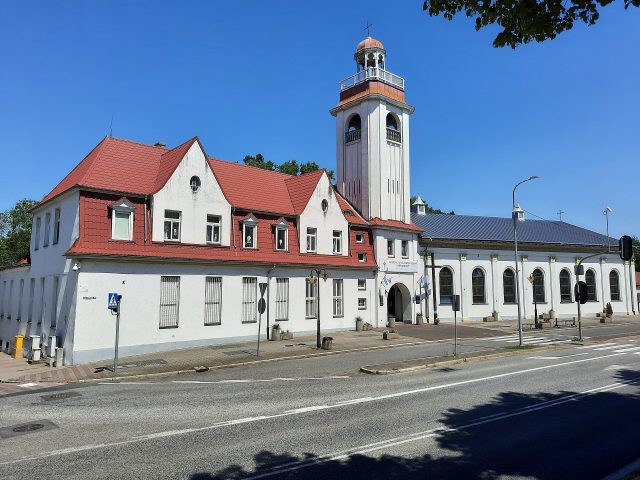
The architecture mixes styles, though most buildings have been restored to their original forms. Some facades have delicate stucco, others are plain, but together they create a Central European feel. The details matter: carved wooden doors, wrought-iron balconies, old-fashioned street lamps that glow in the evenings. These aren’t things you’d notice at first, but they give the square its texture, turning it into an open-air museum of sorts.
Słubice’s Market Square has always been about the everyday. It was where markets were held, where people gathered to talk, where the town’s life unfolded. Today, it remains functional—cafés, small shops selling local goods, the occasional street festival. Even on quiet days, there’s a pulse here. It doesn’t demand attention, but it rewards those who linger.
One thing that stands out is its proximity to the German border. Frankfurt an der Oder is just a short walk away. Many in Słubice cross the border regularly—for work, shopping, or to visit friends. This movement gives the square a unique energy. You might hear Polish and German in the same conversation, see students sharing a table with retirees from across the river. The border isn’t a barrier; it’s just part of life.
In the evenings, the square changes. Streetlights flicker on, cafés bring out extra chairs, and conversation grows louder. There’s no rush—just the rhythm of a small town winding down. Music drifts from open windows, laughter spills out of bars. It’s a place to sit with a coffee and watch, or wander down side streets where old courtyards and alleys offer quieter glimpses of Słubice.
What makes the Market Square special isn’t any single feature. It’s the way it all comes together. It doesn’t dazzle at first, but reveals itself slowly. You have to walk its cobblestones, peer into its archways, listen to the sounds of the town. It doesn’t try to be perfect, and that’s what makes it real. Here, history isn’t preserved behind glass—it’s alive in the way people live, the way the buildings stand, the way past and present coexist. If you’re looking for the soul of Słubice, this is where you’ll find it.