In the quiet Polish town of Słubice, just across the river from Frankfurt an der Oder in Germany, stands a monument unlike any other. Unveiled in October 2014, it was the world’s first statue dedicated to Wikipedia, the free online encyclopedia that has reshaped how we access knowledge. The idea didn’t emerge from the tech world or a major metropolis but from this modest border town, where history and modernity intersect in unexpected ways.
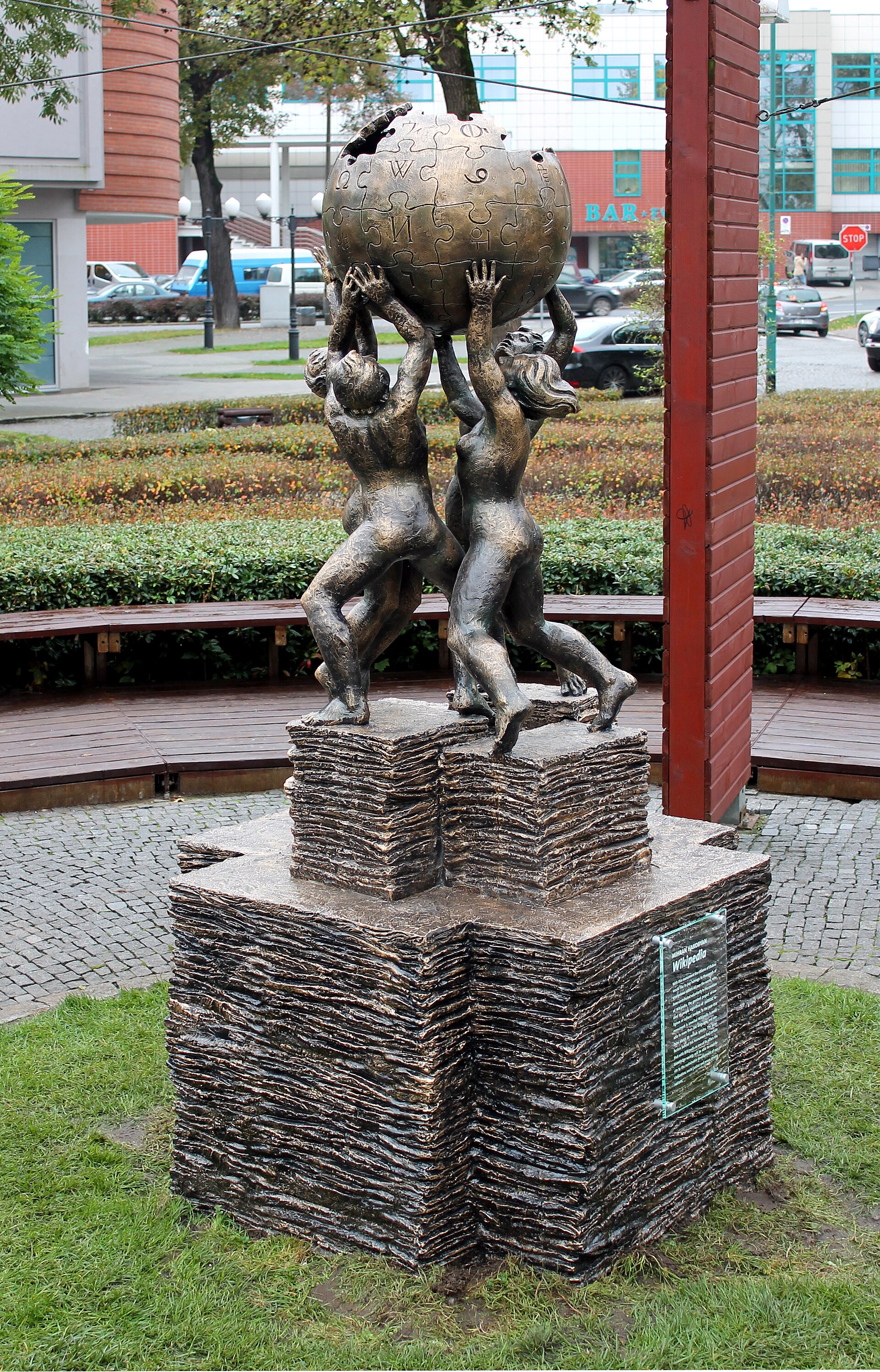
The sculpture itself is striking yet understated. Four figures, each holding aloft the familiar Wikipedia puzzle-globe logo, stand on a pedestal shaped like the Earth. The figures represent the countless volunteers who contribute to the encyclopedia, their collaboration transcending language, culture, and geography. The globe beneath their feet underscores the project’s global reach, a reminder that knowledge, when shared freely, has no borders. The artist, Armenian sculptor Mihran Hakobyan, intended the piece to reflect the collective effort behind Wikipedia—a platform built not by a single visionary but by millions of ordinary people.
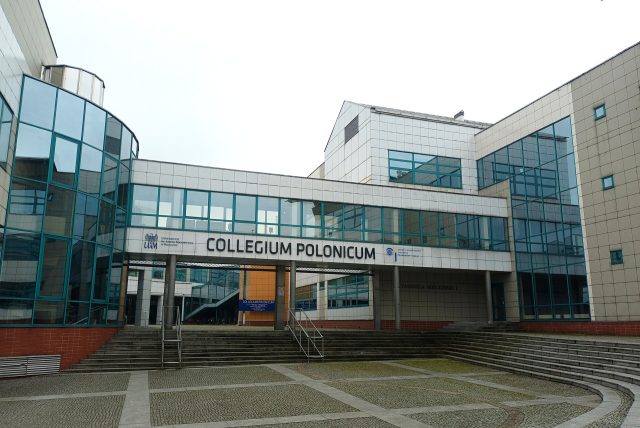
Słubice might seem an unlikely place for such a monument. The town has spent much of its recent history in the shadow of its German neighbor, Frankfurt an der Oder. Before World War II, the two were part of the same city, but the post-war border redrawing left Słubice on the Polish side. Today, the towns remain closely linked, with shared institutions like the Collegium Polonicum, a joint academic venture between Polish and German universities. The Wikipedia monument, standing in front of this building, feels like a natural extension of that cooperation—a symbol of how ideas and technology can bridge divides.
The monument’s location is no accident. The square where it stands is a hub of local life, frequented by students, academics, and townspeople. It’s not uncommon to see people sitting on nearby benches, chatting or scrolling through their phones, the statue looming quietly in the background. For a project that exists primarily in the digital realm, the physical presence of the monument grounds it in the real world, making it feel less like a tribute to a website and more like a celebration of human curiosity.
Interestingly, the Wikimedia Foundation, the organization behind Wikipedia, had no direct involvement in the monument’s creation. It was funded and championed by local authorities and enthusiasts who wanted to honor the principle of free knowledge. In a way, this mirrors Wikipedia itself—a platform built by volunteers, not institutions. The monument isn’t about glorifying a brand or its founders but about recognizing the collective effort that makes such a project possible.
Słubice isn’t a typical tourist destination. Most travelers pass through on their way to Berlin or other major cities, stopping only briefly. But those who linger, even for a few hours, often find the town’s unhurried pace and cross-border character intriguing. The Wikipedia monument fits seamlessly into this atmosphere. It doesn’t demand attention like a grand historical landmark but invites quiet reflection on how the internet has democratized information.
Of course, not everyone agrees that Wikipedia deserves a monument. Critics argue that its content, written by amateurs, can be unreliable or inconsistent. Others question why such a tribute wasn’t placed in the United States, where the project began, or in a more prominent European city. But perhaps Słubice is the perfect place for it. Here, on the edge of two nations with a shared yet fractured history, the monument takes on a deeper meaning. It’s a reminder that knowledge isn’t confined by borders and that collaboration can thrive even where divisions once seemed insurmountable.
Over the years, the monument has become a subtle part of Słubice’s identity. It doesn’t draw crowds, but those who notice it often pause to consider its significance. In an age where information is more accessible than ever, the statue serves as a quiet testament to the power of collective knowledge. It’s not about the technology behind Wikipedia but about the people who make it possible—the millions of contributors, editors, and readers who, together, have built something extraordinary. The monument in Słubice doesn’t just commemorate a website; it celebrates the idea that knowledge belongs to everyone.