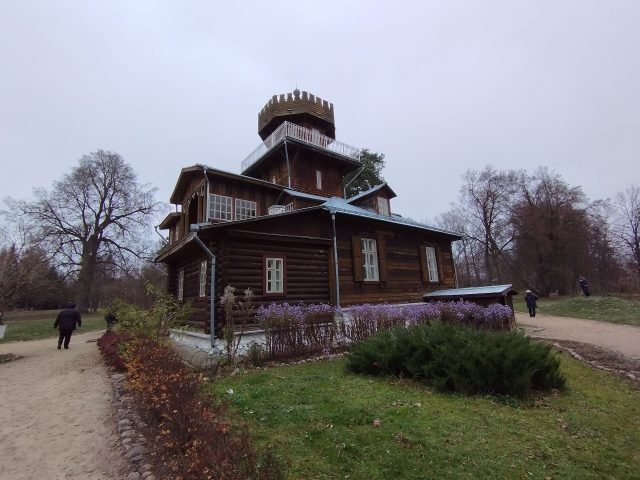
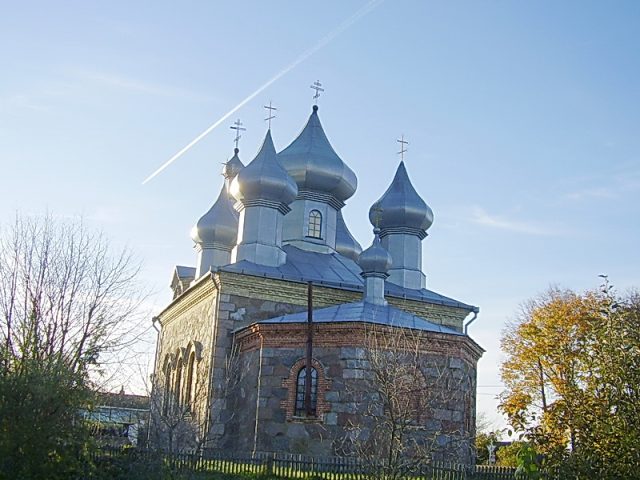
Rubavsky Park is one of those quiet, unassuming places that feel suspended in time. Tucked away near the small settlement of Ruba, just outside Vitebsk, it doesn’t fit the mold of grand city parks or manicured palace gardens. There are no towering statues, no ornate fountains, no grand boulevards lined with flowerbeds. Instead, it offers something far simpler: the quiet beauty of nature, gently shaped by human hands long ago into a space meant for reflection and rest.
The park’s origins trace back to the early 20th century, when these lands belonged to a local landowner. Back then, it was little more than a private estate garden, designed more for personal retreat than public enjoyment. Over the decades, the estate faded into history, but the park endured, surviving wars and upheavals as if to prove how nature can outlast even the most turbulent times. Today, almost nothing remains of the original estate—just a few old trees and the faint outlines of foundations half-buried in the earth. Yet it’s precisely this sense of quiet decay that gives the place its character.
The park stretches along the banks of the Western Dvina, a slow-moving river that defines its atmosphere. The water here is wide and unhurried, its sandy shores lined with willows that dip their branches into the current. In summer, the riverbank becomes a perfect spot for leisurely walks or picnics on the grass. When winter arrives, the water freezes into a vast, glassy expanse, mirroring the gray sky and bare branches above. No matter the season, the river sets the park’s rhythm—calm, steady, unrushed.
Unlike formal gardens with their straight paths and symmetrical designs, Rubavsky Park feels almost wild. The trails wind unpredictably between trees, through thickets of shrubs and meadows of tall grass. Old lindens, oaks, and maples stand scattered across the landscape, some of them likely dating back to the estate’s early days. Spring brings the scent of blooming bird cherry and lilac, while autumn turns the leaves into a blaze of gold and crimson. There’s no grand design here, just the quiet interplay of nature and time.
What makes Rubavsky Park special isn’t its size or grandeur, but its sense of solitude. There are no crowds, no flashy attractions, no cafes with neon signs. Instead, there’s silence—broken only by birdsong, the rustle of leaves, and the occasional murmur of the river. It’s a place for those who seek a break from the noise of the city, where you can spread out a blanket by the water in summer or walk along snow-covered paths in winter, listening to the crunch of frost underfoot. Spring and autumn, in particular, turn the park into a photographer’s dream, with landscapes so vivid they feel almost unreal.
The park is also quietly tied to the region’s history. During World War II, this area saw fierce fighting, and the Western Dvina served as a defensive line. Today, only a few memorial markers hint at the past, but if you look closely, you might spot the overgrown traces of trenches and foxholes in the grass. The park doesn’t flaunt its history—it carries it in the silence, in the way the land has absorbed the weight of time without losing its beauty.
For locals, Rubavsky Park is more than just a green space. It’s where families gather for weekend picnics, where children play, where couples take wedding photos, and where people come to sit by the river with a book or a thermos of tea. It’s woven into the fabric of daily life in Ruba, even if it’s not the kind of place that draws tourists from afar. Maybe that’s its greatest charm—it doesn’t try to impress. It simply exists, offering a quiet corner where nature and people coexist without fuss.
In recent years, there have been efforts to preserve the park’s character rather than modernize it. There are no paved walkways, no rows of benches, no floodlights. Instead, the landscape remains largely untouched, requiring little more than occasional care to keep it from being swallowed by overgrowth. It’s a rare balance—human presence just enough to maintain the space, but not so much that it loses its natural feel.
Rubavsky Park isn’t the kind of place that dazzles you at first glance. Its beauty reveals itself slowly, as you wander its winding paths, listen to the sounds of the river, and breathe in the scent of grass and damp earth. It’s a place for unhurried walks, for quiet thoughts, for moments when you want to step outside of time. Here, you can feel connected to something larger—the steady flow of the river, the weight of history, the quiet persistence of nature. It doesn’t demand attention. It just waits, patiently, for those who are willing to slow down and notice.