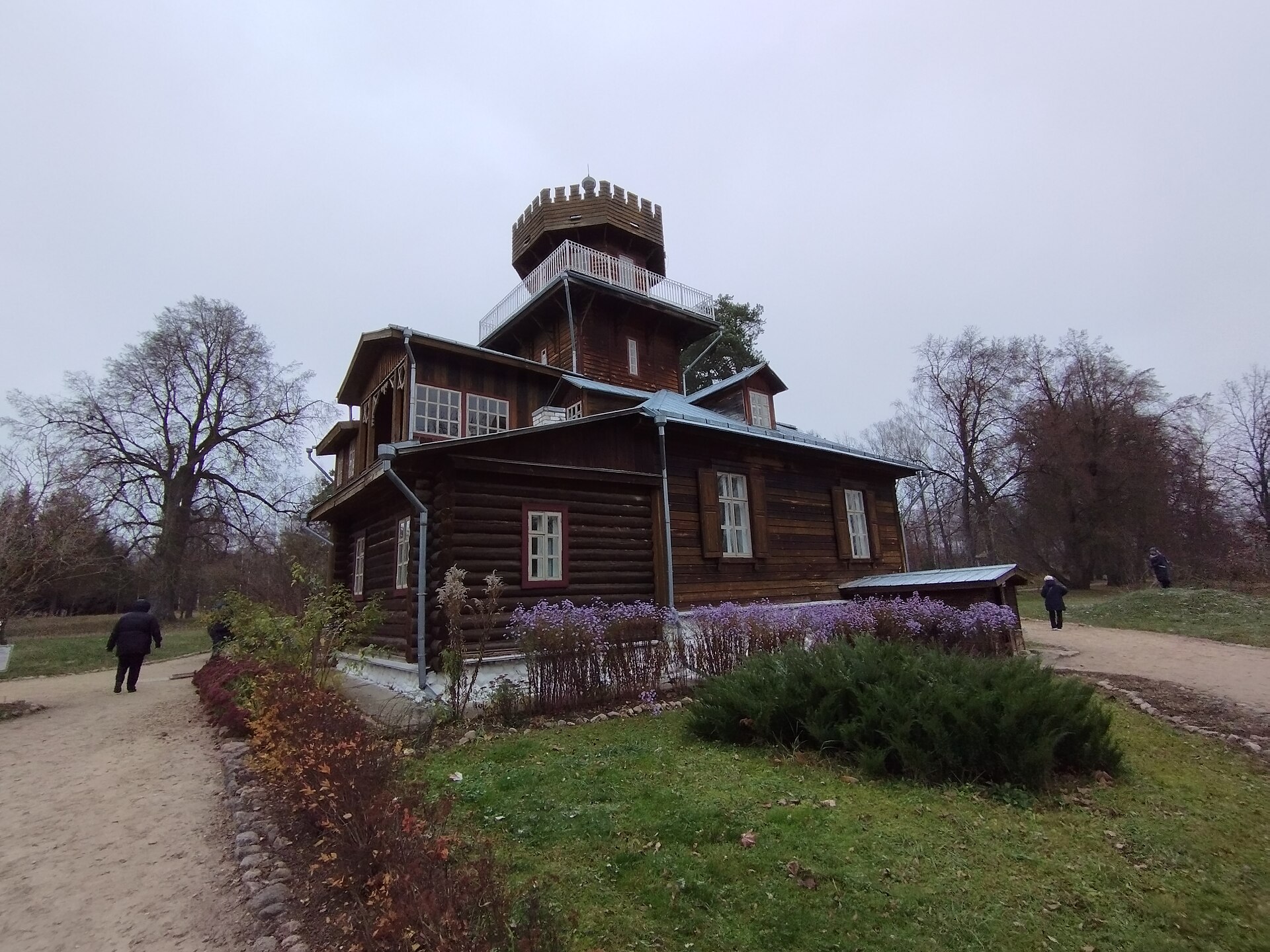
Nestled along the gentle banks of the Western Dvina, just a short distance from Vitebsk, the Zdravnyovo estate feels like a place where time has quietly settled into the landscape. This was the summer retreat of Ilya Repin, one of Russia’s most celebrated painters, who sought refuge here in the late 19th century from the demands of St. Petersburg’s artistic circles. The estate, now a museum, offers more than just a glimpse into Repin’s life—it preserves the rhythm of an era when creativity flourished in the quiet embrace of nature.
Repin purchased Zdravnyovo in 1892, drawn to its unspoiled beauty. The rolling hills, the slow-moving river, and the vast stretches of forest provided the kind of solitude he needed to work. He designed the house himself, ensuring it blended seamlessly with the surroundings. The result was a modest but thoughtful home, with large windows framing views of the river and the distant hills. Inside, the rooms were simple yet warm, filled with the kind of light that artists crave.
Life at Zdravnyovo was never solitary. Repin’s friends—fellow artists, writers, and musicians—often stayed for weeks, turning the estate into a kind of creative sanctuary. Ivan Shishkin, Vasily Polenov, and Vladimir Stasov were among those who gathered here, spending evenings in conversation, music, and debate. The house still echoes with that energy. The furniture, personal belongings, and photographs on display recreate the atmosphere of those summers, when ideas flowed as freely as the river outside.
One of Repin’s most famous works, *The Zaporozhian Cossacks Writing a Letter to the Turkish Sultan*, was nearly completed here. The estate still holds studies and sketches for the painting, offering visitors a rare chance to see how Repin refined his vision. Some of the figures in the final composition were inspired by locals he met in the area, and the landscape itself—with its open skies and winding river—found its way into his canvases. Walking through the rooms, you can almost sense the artist’s process, the way he tested compositions and captured fleeting impressions.
After the Revolution, Zdravnyovo fell into disrepair. The house was repurposed, its contents scattered, and for decades, its significance was nearly forgotten. Restoration began in 1988, and today, the estate has been carefully returned to its former state. The wooden walls, the layout of the rooms, even the views from the windows—all remain much as they were when Repin lived here. The restoration wasn’t about grandeur; it was about preserving the quiet authenticity of the place.
The estate’s park is where the past feels most alive. Repin loved to wander its paths, and the old linden and oak trees still stand as they did in his time. A small pavilion near the riverbank was his favorite spot to work outdoors, and the benches are placed just so, inviting visitors to sit and take in the same views that inspired him. The Western Dvina flows lazily past, its presence as much a part of Zdravnyovo as the house itself.
Inside, the rooms tell their own stories. The parlor, where guests once gathered, still holds the piano that filled the evenings with music. Repin’s study is almost untouched—a desk cluttered with papers, an easel set up by the window, brushes and paints left as if he’d just stepped away. The bedroom contains furniture brought from St. Petersburg, and photographs of his family line the walls. It’s easy to imagine him moving through these spaces, pausing to sketch a visitor or jot down an idea.
Zdravnyovo is more than a monument to Repin; it’s a piece of Belarus’s cultural heritage. The estate witnessed the birth of ideas that would shape Russian art, and today, it continues to foster creativity. Exhibitions, workshops, and gatherings keep the spirit of those summers alive, offering visitors a chance to connect with the past in a way that feels personal rather than historical. For many, the estate isn’t just a museum—it’s a place where the boundaries between then and now blur.
A visit to Zdravnyovo is a step away from the noise of modern life. There are no crowds, no grand displays, just the quiet persistence of a place that has endured. The estate doesn’t try to impress; it simply exists, much as it did when Repin first fell in love with its understated beauty. For those who appreciate art, history, or the quiet pleasure of a well-preserved landscape, Zdravnyovo offers something rare—a sense of timelessness.