The Rosengarten in Bern is one of those places where the city’s quiet charm reveals itself almost by accident. Perched on a gentle hill just east of the Old Town, it offers a view that feels both intimate and expansive—a rare combination in a country where grand vistas often steal the show. From here, the Aare River curls around the historic center like a protective ribbon, while the distant Alps rise in soft, hazy layers, their peaks catching the light in a way that makes even a casual visit feel like stumbling upon a well-kept secret.
The garden itself is a study in contrasts. It began its life in the late 18th century not as a place of leisure, but as a practical burial ground for the city’s poor. For over a hundred years, it served this somber purpose until Bern’s growing population and shifting attitudes toward urban spaces led to its closure in the early 1900s. The transformation into a public park came in 1913, when the city decided to repurpose the land into something more in line with the era’s romantic ideals of nature and beauty. The first roses were planted shortly after, and though the garden has evolved over the decades, the name has stuck, even as its collection has grown far beyond just roses.
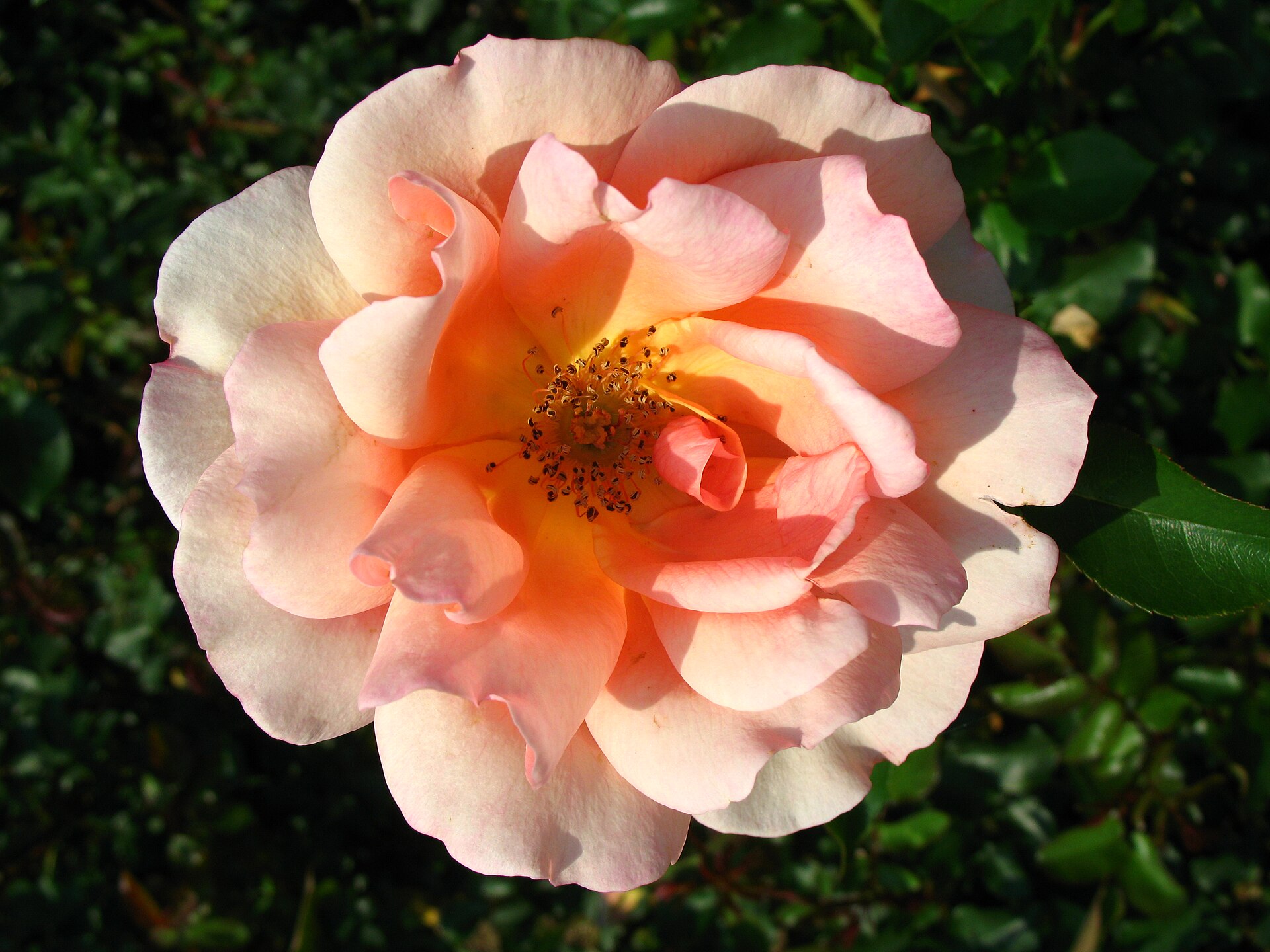
Today, the Rosengarten is home to over 200 varieties of roses, along with countless irises, rhododendrons, and other flowering plants that ensure something is always in bloom from spring to autumn. The roses, of course, take center stage in summer, when the air fills with their scent and the pathways become a blur of reds, pinks, whites, and yellows. But the garden’s appeal isn’t just seasonal. Even in early spring, when the branches are still bare, or in late autumn, when the last leaves cling to the trees, the place has a quiet dignity. The terraced layout, with its neatly trimmed hedges and winding stone steps, gives it a sense of order without feeling rigid, as if the garden itself has settled into its role as a pause in the city’s rhythm.
What makes the Rosengarten more than just a pretty space, though, is how it fits into Bern’s daily life. Unlike some of Switzerland’s more famous gardens, which can feel like museum pieces, this one is thoroughly lived-in. Locals come here to read on the benches, meet friends for coffee at the small café, or simply take a shortcut on their way to work. On warm evenings, you might find a group of students sprawled on the grass, or an elderly couple sharing a bottle of wine as the sun sets behind the cathedral spire. There’s no grand entrance, no ticket booth, no sense that you’re stepping into a curated experience. It’s just a hillside garden, open to everyone, with a view that never gets old.
The architecture of the Rosengarten is understated, almost to the point of being overlooked. The café, a modest pavilion with a terrace, blends into the landscape rather than dominating it. The stone walls and pathways, worn smooth by decades of footsteps, add to the sense that this is a place that has always been here, quietly doing its job. Even the small pond near the entrance, with its lily pads and occasional frog, feels like an afterthought—something that simply belongs rather than something that was deliberately designed to impress.
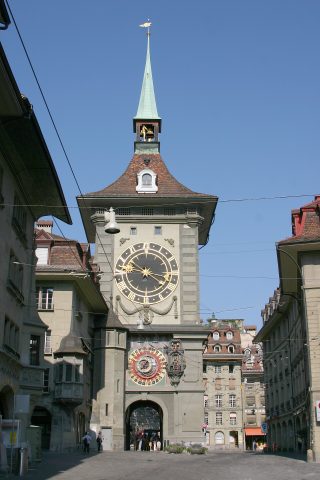
For visitors, the garden offers a different perspective on Bern. The Old Town, with its UNESCO-listed arcades and clock tower, is undeniably impressive, but it can also feel like a stage set, a place where history is preserved under glass. The Rosengarten, by contrast, is where the city breathes. From here, you can see the way Bern’s medieval layout spills down to the river, how the modern city stretches beyond the historic core, and how the landscape softens as it gives way to the countryside. It’s a reminder that Bern isn’t just a relic of the past, but a place where people still live, work, and find moments of beauty in the everyday.
There’s something almost democratic about the way the Rosengarten operates. It doesn’t ask for much—no entrance fee, no dress code, no expectation that you’ll stay for a certain amount of time. You can wander the paths for an hour or sit on a bench for five minutes, and the garden will offer the same view, the same sense of calm. In a country where precision and perfection are often the default, this lack of pretension is refreshing. It’s a place that doesn’t try to be anything other than what it is: a hillside garden with a good view, a collection of roses, and a quiet spot to watch the city go by.
If you visit, don’t rush. The best way to experience the Rosengarten is to let it unfold slowly. Walk up from the Old Town, past the bear pits and along the river, then take the steps that wind through the garden’s lower terraces. Stop at the café for a coffee or a glass of wine, and watch how the light changes over the rooftops. If you’re there in the evening, stay until the streetlights flicker on below, and the sound of the city becomes a distant hum. It’s not the kind of place that demands your attention, but it’s the kind that rewards it.