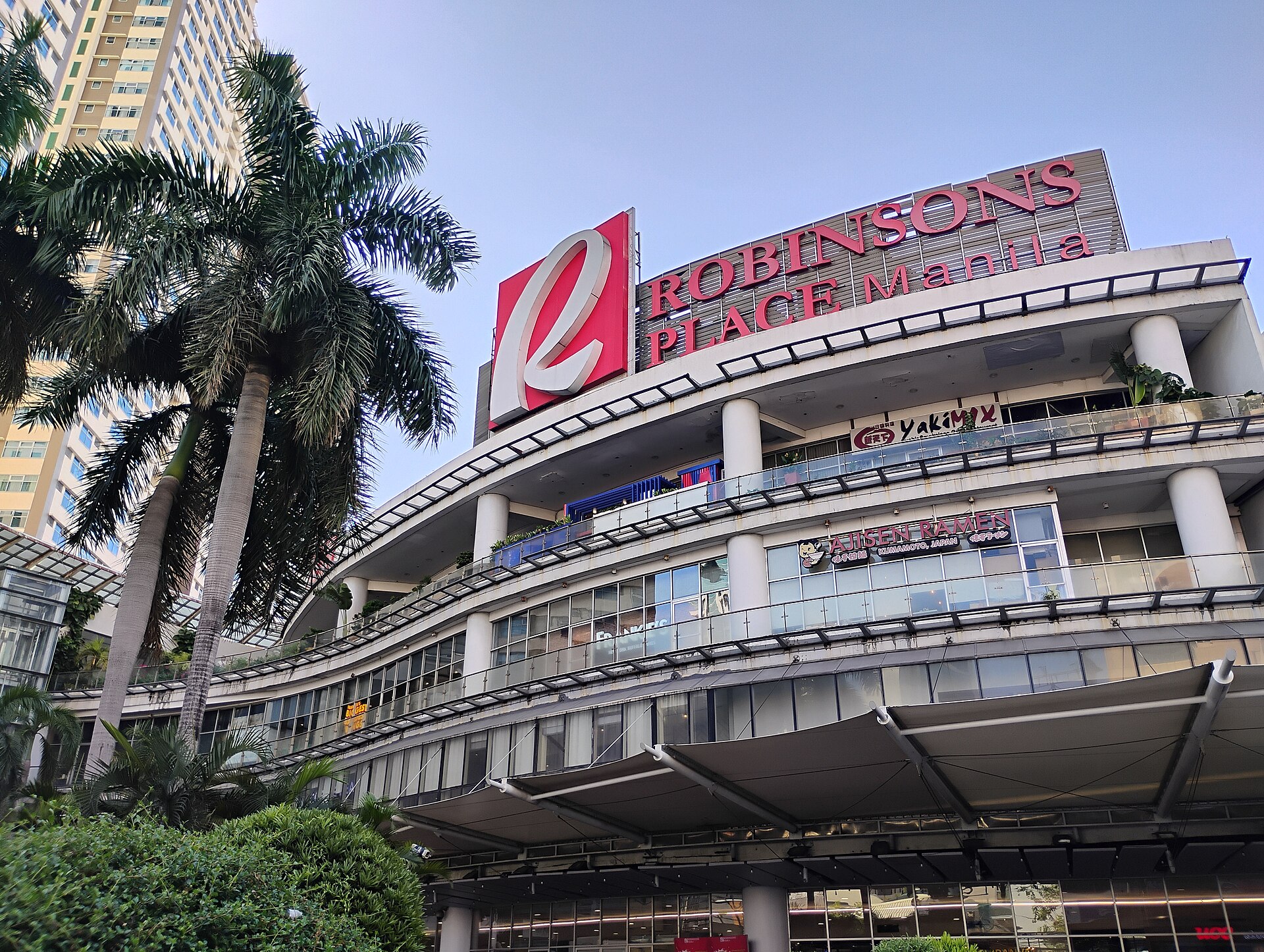
Robinsons Place Manila stands where Ermita’s past and present meet. Spanish colonizers shaped this district in the 16th century, leaving behind narrow streets and tiled roofs. Over time, those streets widened, and open-air stalls moved indoors. Yet traces remain: the mall’s design includes Spanish baroque flourishes, and murals between floors recall the crowds that once filled these streets.
Ermita has always reinvented itself. By the early 20th century, it was home to Manila’s first cinemas and grand hotels. War destroyed much of it, but by the 1950s, it had become the city’s nightlife hub. When Robinsons Place opened in the late 1990s, it didn’t erase that history—it absorbed it. The mall became another layer of Ermita’s identity, a place where people gather and stay.
The architecture is practical. High ceilings and glass roofs let in daylight, while wide walkways and escalators keep movement smooth. Wooden panels and leaf motifs appear in small doses, blending with the space without demanding attention. The design works because it doesn’t compete with the people inside.
The stores range from global brands to small stalls selling handmade crafts. What sets Robinsons Place apart is the pace. Unlike the loud energy of street markets, this is a place where voices stay low, lighting stays soft, and the scent of coffee lingers. It’s for those who want to move slowly, whether they’re shopping, meeting friends, or taking a break from the heat.
The food courts serve Filipino dishes like adobo, sinigang, and lechon, often with modern updates. You’ll also find Italian pasta, Japanese sushi, and other international options. For locals, the mall is part of daily life—a place for quick lunches, family gatherings, or coffee with friends. On humid afternoons, the air-conditioned interiors offer relief.
Sometimes, the mall hosts cultural events. Local artists display their work, musicians perform in open areas, and workshops on traditional crafts take place. These moments aren’t staged; they happen naturally, adding warmth to the routine. It’s not a museum, but it’s more than just shops.
For visitors, Robinsons Place shows a different side of Manila. There are no tourist crowds here. Instead, you’ll see families buying groceries, teenagers taking photos by mirrored walls, and elderly couples walking through the galleries. This is the Manila that locals know—the one where Tagalog and English mix in conversation, where meals are shared, and where the space feels familiar.
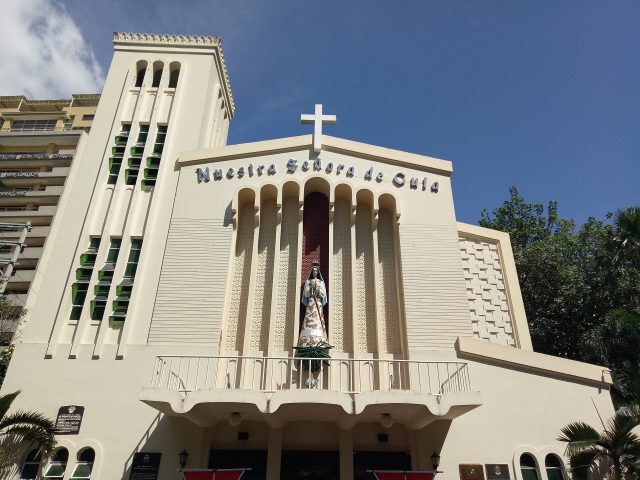
Ermita blends old and new. Just outside the mall, historic churches, museums, and parks sit alongside small shops and eateries. By evening, neon signs light up, and the air smells of grilled meat and spices. Step outside, and you’ll feel the city’s rhythm—a steady pulse that carries history while embracing today.
Robinsons Place doesn’t try to impress. There are no grand atriums or flashy displays. Its appeal is in the quiet details: the way light filters through the glass roof, the murmur of conversations, the sight of a family choosing fresh produce. It’s a place to slow down and notice the city as it is.